
When the temperatures drop, keeping your home warm becomes a priority. Many homeowners rely on Heating Services to ensure their systems run efficiently, but there are also simple and cost-effective ways to retain warmth inside your home. By applying a few practical strategies, you can reduce energy waste, lower heating bills, and enjoy a cozier indoor environment throughout the winter.
Why Keeping Heat Inside Matters
Retaining heat in your home is more than just about comfort—it’s about efficiency. Heat that escapes through windows, doors, walls, and ceilings forces your heating system to work harder. This leads to higher energy consumption and increased costs. By minimizing heat loss, you:
Save money on utility bills
Improve indoor comfort
Extend the life of your heating system
Reduce your carbon footprint
Seal Drafts Around Windows and Doors
One of the most common ways homes lose heat is through gaps around doors and windows. Even small cracks can let cold air seep in and warm air escape. Simple fixes include:
Using weatherstripping tape to seal gaps
Applying caulking around window frames
Installing door sweeps under entry doors
These inexpensive solutions can make a noticeable difference in heat retention.
Insulate Your Home Properly
Insulation plays a critical role in keeping warm air inside. Heat naturally rises, which means poorly insulated attics can lead to significant energy loss. Adding insulation to attics, walls, and basements prevents heat from escaping. Options include fiberglass batts, spray foam, or blown-in insulation. Investing in proper insulation pays off quickly through reduced heating costs.
Use Heavy Curtains and Drapes
Windows can act as heat drains, especially if they are single-pane. To combat this, hang heavy curtains or thermal drapes. During the day, open curtains on sun-facing windows to let natural warmth in. At night, close them to trap heat inside. This small adjustment helps regulate indoor temperatures more effectively.
Close Off Unused Rooms
If you live in a larger house but only use certain areas daily, close doors to unused rooms. By doing this, your heating system won’t waste energy warming empty spaces. Additionally, placing draft stoppers at the bottom of closed doors prevents heat from escaping into colder parts of the house.
Reverse Ceiling Fans
Most people think of ceiling fans only for cooling, but they can also help in the winter. By reversing the fan’s direction to clockwise at a low speed, warm air that rises to the ceiling is pushed back down into the living space. This keeps rooms warmer and reduces the need to turn up the thermostat.
Place Rugs on Bare Floors
Hardwood, tile, and laminate floors can feel chilly in winter. They also allow heat to escape more easily. Laying down area rugs not only makes floors more comfortable but also helps insulate against heat loss. Rugs act as a barrier between your feet and the cold floor while retaining warmth in the room.
Maximize the Use of Sunlight
The sun is a free and natural source of heat. Keep blinds and curtains open during sunny days, particularly on south-facing windows, to let sunlight warm your home. Be sure to close them as the sun sets to keep that warmth trapped inside.
Maintain Your Heating System
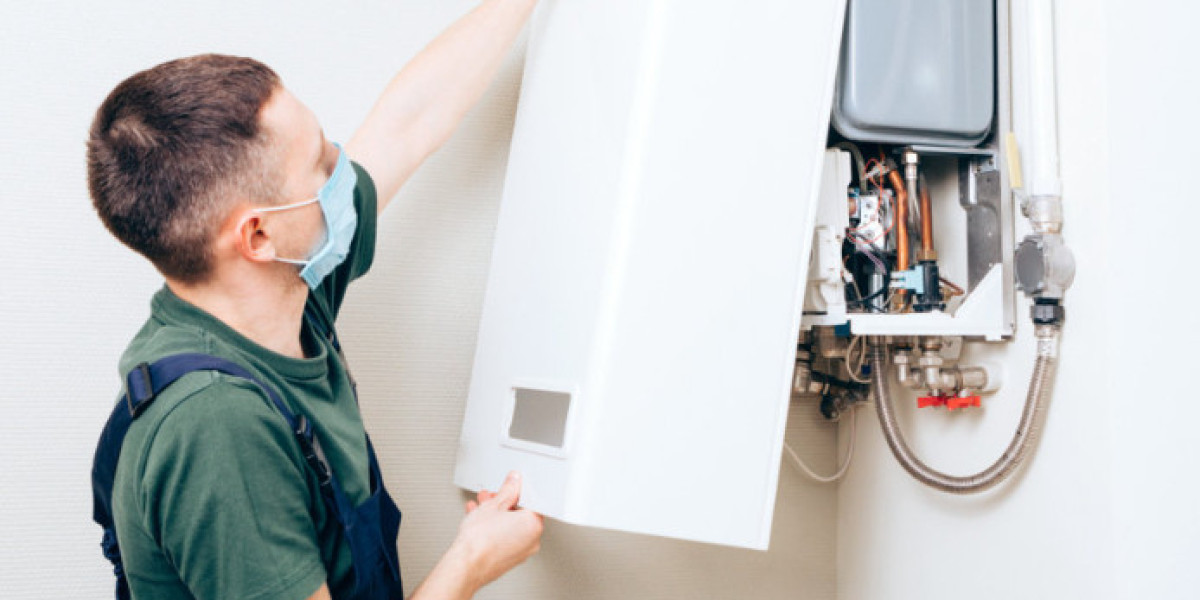
While DIY hacks help, your heating system must also function efficiently. Regular maintenance such as cleaning or replacing filters, checking vents, and scheduling professional tune-ups ensures consistent performance. A well-maintained system doesn’t have to work as hard, which helps retain heat better throughout your home.
Rearrange Furniture for Better Warmth
Sometimes the layout of your furniture can affect how well your home holds heat. If large items like sofas or beds are blocking vents or radiators, they may be absorbing warmth that should circulate around the room. Rearranging furniture so heat flows freely makes your home feel warmer without increasing energy usage.
Use Draft Stoppers and Insulated Accessories
Simple household items can help minimize heat loss. Draft stoppers placed at the base of doors, foam gaskets behind outlets, and insulated covers for mail slots or dog doors all reduce the flow of cold air. These small, inexpensive tools provide extra layers of protection against drafts.
Cook and Bake More Often
Using your oven or stove in the winter not only prepares delicious meals but also adds heat to your home. After baking, leave the oven door open (once it’s turned off) to let residual heat flow into your kitchen. It’s a practical way to add warmth without extra heating costs.
Consider Energy-Efficient Upgrades
While small hacks are helpful, long-term solutions involve upgrading to energy-efficient systems and fixtures. Options include:
Installing double- or triple-pane windows
Upgrading to a programmable thermostat
Investing in an energy-efficient furnace or boiler
Adding insulated exterior doors
These upgrades may require an upfront investment, but the long-term savings and comfort make them worthwhile.
Layer Up Indoors
Not every solution needs to involve your home’s structure or heating system. Simply dressing warmly and using cozy blankets can reduce the need to turn up the thermostat. Wearing layers indoors is one of the easiest ways to stay warm while cutting down on heating expenses.
Final Thoughts
Keeping heat inside your home doesn’t always require expensive upgrades or major renovations. From sealing drafts and insulating properly to making the most of natural sunlight and maintaining your heating system, there are countless simple hacks that boost comfort and save money. By applying these strategies, you can enjoy a warmer home, lower energy bills, and a more sustainable lifestyle throughout the winter season.