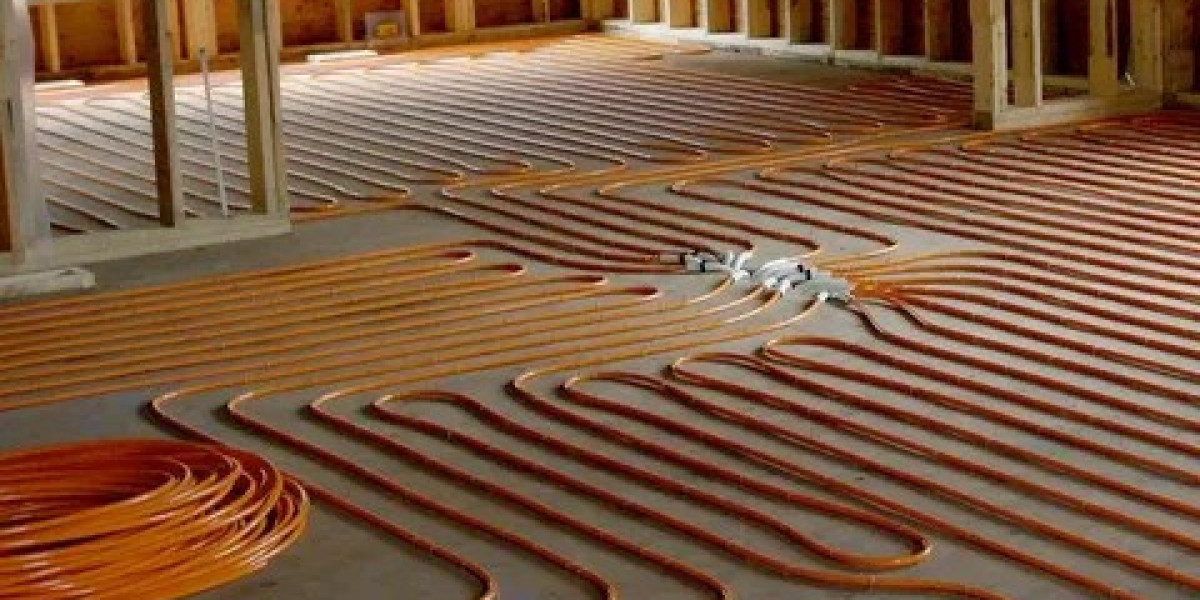

Radiant heating system provide an innovative way to keep indoor spaces comfortable. Instead of relying on air movement, they deliver warmth directly to surfaces. The system uses heating elements or pipes installed under floors, inside walls, or above ceilings. This creates an even and natural heat distribution. Radiant systems address cold spots and uneven temperatures, offering a more effective way to maintain a cosy environment. They are versatile, working in both homes and businesses, and can suit many architectural styles. With technology advancing, radiant heating is gaining recognition for its efficient and reliable performance while improving living or working conditions.
How Radiant- heating systems Work?
Radiant- heating systems use heat transfer by radiation to warm surfaces directly. They use heating elements like pipes with hot water or electric cables, placed under floors, inside walls, or on ceilings. These components warm nearby surfaces, which then radiate heat evenly throughout the room. This process removes the uneven heating often found with air-based systems.
Without fans or ducts, radiant systems are quieter and more efficient. There is less air movement, so fewer dust and allergens are spread, making the space healthier. Unlike standard heating, radiant systems do not create draughts. They heat people and objects directly instead of only warming the air.
Advantages of Electric Radiant Heating System
Electric radiant heating system has many strengths for modern buildings. They deliver heat straight to surfaces and objects, spreading warmth evenly. This removes the cold spots often found with old heating types. The systems are very quiet because they lack fans or ducts, creating a peaceful indoor space.
With less air movement, fewer allergens and dust circulate, so air quality stays healthier. These systems are durable and have little wear due to minimal moving parts. Heating zones can be customised for each area, giving flexibility. Radiant heating can fit many floor types and designs, making it useful for both new buildings and renovations.
Major Changes Heating Systems
Radiant- heating systems are effective but have some drawbacks. One major issue is the high upfront cost, especially for hydronic systems or retrofits. Installing these systems in finished buildings may require major changes and extra costs. Hydronic system installation is complex and needs experts, which raises expenses.
Electric radiant systems are easier to install but can cost more to run, especially where electricity is expensive. Repairing parts, like hydronic pipes, can be hard and may require opening up floors or walls. Radiant heating usually has longer warm-up times. Spaces may take longer to heat than with forced-air systems, which work faster.
Electric Radiant- heating systems
Electric radiant- heating systems rely on the use of electric heating cables, mats, or films to generate heat. These components are typically installed beneath floors, making them particularly effective for providing consistent and evenly distributed warmth throughout a room. Such systems are highly adaptable, being suitable for various types of flooring, including tiles, stone, and laminate.
The installation process is relatively straightforward compared to hydronic systems, as there is no need for plumbing or water circulation components. This makes them a practical choice for both new constructions and retrofitting projects. In addition, electric systems allow for precise temperature control when paired with programmable thermostats, enabling users to optimise energy usage based on specific schedules or needs.
Types of Electric Radiant- heating systems
Electric radiant- heating systems are available in various forms, each designed to cater to different applications and spaces. Electric underfloor heating is widely recognised for its ability to deliver even warmth across an entire floor, offering consistent thermal comfort. This system is particularly well-suited to areas with tile or stone flooring, as these materials conduct heat efficiently.
Wall-mounted electric radiant panels provide an alternative option, delivering heat directly to specific areas without occupying floor space, making them ideal for compact rooms or spaces with limited design flexibility. Ceiling-mounted electric heating panels represent another effective solution, distributing warmth evenly throughout a room while remaining discreetly integrated into the ceiling structure.
Various Flooring Types
Electric radiant mats, often used in smaller areas such as bathrooms or kitchens, are highly flexible and can be installed beneath various flooring types. These options showcase the adaptability of electric radiant systems, ensuring they can meet the diverse heating needs of residential and commercial environments.
Due to their design, electric radiant systems are often employed in smaller spaces or as supplementary heating in targeted areas. Their compatibility with modern insulation techniques further enhances energy efficiency and helps reduce overall heating costs.
Outdoor Radiant Heaters Portable Stands
Outdoor radiant heaters are designed to provide direct warmth by emitting infrared heat, which is absorbed by surrounding surfaces and individuals rather than being lost to the air. This method of heating ensures consistent comfort, even in open or breezy conditions, making it a practical choice for outdoor settings. Available in a range of styles, these heaters can be mounted on walls, ceilings, or even portable stands, depending on the layout and requirements of the space.
Many models are equipped with adjustable heat settings, allowing users to tailor the level of warmth to suit specific conditions. Outdoor- radiant heaters are often constructed from durable materials such as stainless steel or weather-resistant coatings, ensuring long-lasting performance despite exposure to varying weather conditions.
Installation Process for Radiant- heating systems
The installation of radiant- heating systems depends on the specific type being implemented. For electric systems, heating elements such as cables, mats, or films are laid beneath the flooring, ensuring an even distribution of heat. In hydronic systems, pipes are embedded within the floor to allow heated water to circulate.
Connections to power supplies or boilers must comply with regulatory standards, with testing conducted to verify functionality before finalising the flooring or surface. Professional installation is strongly recommended, as it ensures adherence to safety guidelines and proper integration with the overall heating setup. Accurate planning and skilled execution are essential for achieving effective and long-lasting results.
Safety Considerations
Ensuring proper installation and maintenance of radiant- heating systems is crucial for safe operation. For electric radiant systems, adherence to electrical codes and regulations is vital to prevent potential hazards. It is recommended that only certified professionals handle the installation to guarantee compliance with safety standards. High-quality components should be used to minimise the risk of electrical malfunctions or overheating.
Hydronic systems require regular checks of pipes and connections to prevent leaks, which could lead to structural damage or reduced system efficiency. Additionally, appropriate insulation materials should be installed to contain heat effectively and reduce risks associated with high surface temperatures.
Energy Efficiency of Electric Radiator Heater
The energy efficiency of electric radiator heater largely depends on factors such as the building's insulation quality, the type of radiant system installed, and how effectively it is utilised. Proper insulation is essential to minimise heat loss, ensuring that the warmth generated is retained within the space.
Programmable thermostats play a key role in enhancing efficiency by allowing precise control of heating schedules and temperatures. Utilising zone heating can also optimise energy consumption by targeting specific areas that require warmth, rather than heating an entire building unnecessarily.
Off-Peak Periods
In regions where electricity tariffs vary based on time of use, operating electric radiant systems during off-peak periods can further reduce energy costs. Additionally, pairing radiant systems with renewable energy sources, such as solar panels, can contribute to both increased efficiency and reduced environmental impact, making them a sustainable heating solution.
Monitoring thermostats and control systems regularly helps maintain consistent performance and ensures safety mechanisms are functioning as intended. Implementing these precautions significantly contributes to the safe and reliable operation of radiant- heating systems in both residential and commercial environments.
Innovations in Radiant Heating Technology
Technological advancements in radiant heating have introduced improved efficiency and greater versatility. The integration of smart thermostats allows for precise control of heating schedules and temperatures, enabling enhanced energy management. Modern systems are increasingly being designed to work seamlessly with home automation platforms, providing users with the ability to adjust settings remotely through mobile applications or voice-activated devices.
Additionally, the development of thinner and more flexible heating elements has expanded installation possibilities, accommodating a wider range of architectural designs and flooring types. Improved insulation materials now minimise heat loss, ensuring maximum efficiency while maintaining consistent performance.
Some systems are incorporating advanced sensors that adapt heating outputs based on real-time conditions, further enhancing their responsiveness and effectiveness. These innovations are paving the way for radiant heating to remain a relevant and sustainable solution for modern living and working environments.
Cost Analysis of Radiant- heating systems
Radiant- heating systems, while requiring a notable initial investment, often lead to reduced long-term operational expenses due to their efficiency. The absence of moving parts and reliance on direct heat transfer contribute to lower maintenance needs, potentially saving costs over time. Hydronic systems may have higher installation costs compared to electric systems, particularly in retrofitting scenarios, yet they generally offer lower running expenses.
Factors such as energy tariffs, insulation quality, and usage patterns significantly impact overall costs. Electric systems, though simpler to install, may incur higher operational costs in regions with elevated electricity prices. Additionally, the ability to implement zone heating and use programmable thermostats enhances energy conservation, contributing to a more cost-effective solution for heating requirements.
Conclusion
Assessing the suitability of a radiant heating system involves examining various factors, including the specific heating needs of the building, the type of system under consideration, and the associated costs. These systems are particularly advantageous in spaces where maintaining consistent and quiet warmth is a priority. Their ability to integrate seamlessly with a range of flooring materials and architectural designs adds to their appeal. While installation costs can be significant, the long-term operational savings and health benefits from reduced allergens may outweigh initial expenses for many. Careful evaluation of insulation quality, energy tariffs, and the scale of installation will help determine whether the advantages align with the requirements and budget of the property in question.
FAQs
Q1: Are radiant- heating systems compatible with all flooring types?
A1: Most flooring types, including tiles, laminate, and engineered wood, are compatible with radiant- heating systems. It is essential to confirm that the chosen flooring material is designed to withstand radiant heat without warping or damage.
Q2: How long does a radiant heating system typically take to warm a space?
A2: Heating times vary depending on factors such as insulation and the type of radiant heating system. Electric systems often heat up more quickly, while hydronic systems may take slightly longer but provide sustained warmth.
Q3: Can radiant- heating systems operate as the sole heating source?
A3: In well-insulated buildings, radiant- heating systems are fully capable of serving as the primary source of warmth, ensuring consistent comfort throughout.
Related Business Listings |