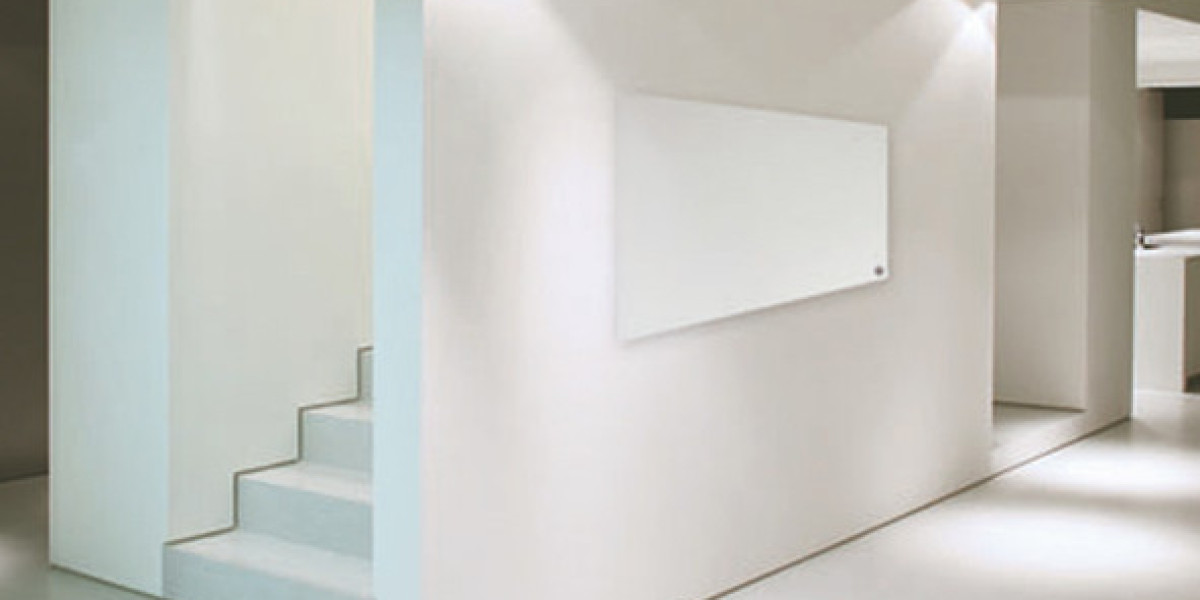

Radiant floor heating is a modern approach to indoor temperature control, delivering warmth directly through the floor's surface. Hydronic radiant floor heating panels relies on heat being distributed evenly, ensuring that the entire room benefits from a consistent level of comfort. Unlike conventional systems, which often use forced air, radiant floor heating minimises issues such as uneven heat distribution and draughts. It has gained popularity in both residential and industrial settings due to its ability to provide an efficient and silent heating experience.
Understanding Radiant Floor Heating Panels
Radiant floor heating panels function through a system of pipes or tubes installed beneath the floor surface, where heated water circulates to deliver warmth. This water is heated using a boiler, ensuring consistent and efficient heat transfer. The system utilises water’s high thermal conductivity, which allows for uniform heat distribution across the entire flooring area.
The absence of moving air in hydronic systems eliminates common issues such as draughts and airborne dust, creating a more hygienic and comfortable environment. This technology is particularly advantageous in spaces requiring steady and reliable warmth. Additionally, the ability to regulate water temperature precisely ensures that the system can cater to varying requirements, whether for domestic or commercial settings.
Energy Efficiency
By operating quietly and without the need for visible ducts or radiators, these panels blend seamlessly into any interior design while maintaining functionality. The design of the system also supports greater energy efficiency compared to traditional heating methods.
Various technologies are utilised in radiant heating, each offering distinct advantages depending on the application. Hydronic systems, for instance, utilise water's superior thermal properties to ensure even heat coverage, while other methods, such as infrared, provide rapid heating capabilities. As a versatile solution, radiant floor heating is designed to cater to diverse architectural and functional needs.
Benefits of Hydronic Radiant Heat
Hydronic radiant heat provide a reliable and efficient method of maintaining indoor warmth, particularly in environments where consistent temperatures are essential. These systems operate silently and do not require the movement of air, which helps to maintain better indoor air quality by reducing the spread of dust and allergens.
Hydronic heating is also highly adaptable, accommodating various design and functional requirements, from domestic spaces to larger industrial applications. The use of water as a heat carrier enhances thermal efficiency, ensuring even warmth across the space while minimising energy wastage. By avoiding the need for bulky radiators or intrusive vents, this system allows for greater flexibility in interior design.
Ventilation And Heating Systems
This level of control supports energy conservation and operational efficiency. The design and placement of both ventilation and heating systems must consider factors such as building layout, machinery, and employee comfort to create an optimised environment. Combining innovative heating technology with robust ventilation solutions can significantly enhance overall workplace conditions.
Additionally, the capacity to regulate water temperatures with precision ensures optimal comfort and energy usage. The long-term durability of hydronic systems, paired with their energy-saving potential, makes them an appealing choice for those seeking both practicality and sustainability in a heating solution.
Floor Heating Technology
Floor heating operates using radiant heat transfer, which emits energy from an infrared source to warm objects and surfaces directly. This method ensures that heat is distributed uniformly across the room, avoiding the uneven temperature fluctuations often associated with traditional heating systems.
By heating objects and surfaces rather than the air, it creates a comfortable environment while minimising energy loss. Infrared technology is particularly advantageous in scenarios requiring swift heating, as it begins to produce noticeable warmth almost immediately after activation. These systems are commonly installed beneath various types of flooring, such as tiles, laminate, and wood, ensuring compatibility with diverse architectural and aesthetic requirements.
Enhancing Operational Efficiency
Heating panels are designed to deliver targeted heat efficiently in large-scale settings. These panels work by emitting infrared radiation, which warms objects and surfaces directly rather than heating the surrounding air. This approach ensures that energy is focused where it is most needed, reducing waste and enhancing operational efficiency.
Their rapid heat-up time makes them particularly beneficial for spaces requiring immediate warmth, such as warehouses, factories, and workshops. Infrared panels can also be strategically placed to provide zoned heating, allowing specific areas to maintain the desired temperature without affecting the rest of the facility.
Industrial Ventilation and Heating Needs
Industrial ventilation require tailored solutions to address both ventilation and heating demands effectively. Ventilation systems play a critical role in maintaining air quality, controlling temperatures, and removing airborne contaminants such as dust, fumes, and moisture. In environments where processes generate significant heat or emissions, proper ventilation ensures compliance with safety standards while creating a more comfortable workspace.
Integrating advanced heating systems, such as radiant floor heating panels, can complement these efforts by providing stable and energy-efficient warmth, especially in areas prone to temperature fluctuations. Industrial settings often benefit from zoned heating approaches, allowing for targeted heat delivery to specific zones without warming unused areas.
Energy Efficiency Considerations
Radiant heating systems are engineered to optimise energy usage by delivering warmth directly to the intended area, minimising unnecessary heat loss. Hydronic systems utilise water's thermal conductivity to distribute heat efficiently, while infrared technology ensures rapid and focused heat transfer. Both approaches reduce reliance on forced air methods, which often lead to higher energy wastage.
Industrial and residential spaces can benefit from zoning capabilities, where specific areas are heated without expending energy on unused sections. The efficient operation of radiant systems also contributes to lower energy bills, making them a cost-effective choice in the long term. By integrating these solutions with smart technology, users can achieve even greater control over energy consumption, ensuring optimal performance at minimal cost.
Installation and Maintenance of Infrared Floor Heating
Proper installation of infrared floor heating demands a meticulous approach, ensuring optimal functionality and efficiency. The process typically involves placing a network of pipes or tubes beneath the flooring surface, with careful attention to insulation to prevent heat loss. Selection of high-quality materials is crucial for longevity and consistent performance.
Key maintenance practices include periodic checks on components such as boilers, pipes, and connections to identify any signs of wear or inefficiency. Ensuring that the system operates at the correct water pressure and temperature is also vital for sustaining performance. Occasional inspections by trained technicians can aid in early detection of issues, reducing the likelihood of costly repairs or inefficiencies over time.
Cost Analysis and Budgeting
The cost of installing radiant floor heating panels varies depending on factors such as the size of the area, materials used, and the complexity of the system. While the initial installation requires a significant financial outlay, the potential for long-term savings through improved energy efficiency can offset these expenses over time.
For those considering this investment, it is important to factor in the quality of components and the expertise of the installation team, as these can influence the overall cost and performance of the system. Comparing quotes from multiple providers and exploring financing options can aid in managing upfront expenses.
Environmental Impact of Industrial Infrared Heating Panels
Industrial infrared heating panels align with environmentally conscious practices by optimising energy usage, thereby lowering overall consumption. Radiant floor heating panels utilise water's natural thermal conductivity to deliver heat efficiently, reducing reliance on energy-intensive alternatives. The absence of forced air circulation diminishes energy waste and contributes to maintaining better indoor air quality.
Additionally, the adaptability of these systems to integrate with renewable energy sources, such as solar panels, enhances their sustainability potential. The use of durable materials in radiant heating systems minimises the need for frequent replacements, contributing to reduced waste over time. By adopting innovative heating technologies, it becomes feasible to address both energy efficiency and environmental preservation effectively.
Technological Advancements in Heating Panels
Advancements in heating panel technology have resulted in more efficient and versatile systems suitable for diverse applications. Radiant floor heating panels now incorporate improved materials that enhance heat conduction and durability, ensuring longer-lasting performance.
The integration of smart technology has enabled precise temperature control, remote monitoring, and programming capabilities, offering enhanced convenience and energy management. Infrared heating panels benefit from innovations in emitter design, providing faster and more targeted heat delivery while reducing energy consumption.
Heat Distribution Methods
Modern manufacturing techniques have also allowed for thinner, more discreet panel designs that blend seamlessly with various architectural styles. Furthermore, advancements in insulation and heat distribution methods have minimised energy loss, increasing overall efficiency. These innovations are transforming heating systems into sophisticated, adaptable solutions that cater to both residential and industrial environments with improved functionality and reduced operational costs.
Factoring in long-term maintenance needs, including periodic inspections and servicing, helps maintain functionality and prevent unforeseen expenses. Comparing system options and understanding upfront costs alongside potential energy savings can aid in making a well-informed decision.
Factors to Consider
When evaluating radiant floor heating panels, it is important to assess the compatibility of the system with the building's existing infrastructure, including flooring types and insulation quality. The thermal requirements of the space and the intended use should influence the choice of system design and capacity.
Professional installation expertise plays a crucial role in ensuring efficiency and safety, as improper setup can impact performance and longevity. Evaluating energy consumption patterns and exploring the potential integration with renewable energy sources can further optimise the system’s benefits. Additionally, local regulations and building codes must be reviewed to ensure compliance during installation.
Conclusion
Hydronic radiant floor heating panels serve as an effective solution for achieving energy-efficient and consistent warmth in both residential and industrial environments. Their compatibility with various flooring materials and ability to integrate seamlessly into different architectural designs makes them a versatile choice. Professional installation ensures the system operates at peak efficiency, and careful consideration of factors such as insulation and zoning enhances performance. By incorporating advancements in heating technology, these systems offer improved functionality, precision, and reduced operational costs. The long-term reliability and reduced maintenance needs of hydronic heating panels contribute to their growing popularity. Additionally, their potential to work with renewable energy sources highlights their appeal for environmentally conscious applications.
FAQs
1. What are the advantages of hydronic radiant floor heating panels over traditional systems?
Hydronic radiant floor heating panels provide consistent warmth by evenly distributing heat across the floor, avoiding cold spots and draughts. They also enhance energy efficiency and maintain better indoor air quality by eliminating the need for forced air circulation.
2. Can hydronic radiant heating be installed in older buildings?
Yes, these systems can be retrofitted into older buildings, though considerations such as floor height adjustments and insulation quality are crucial during planning.
3. How long does a hydronic radiant heating system typically last?
With proper installation and regular maintenance, these systems are highly durable and can last several decades, making them a cost-effective and long-term heating solution.
Related Business Listings |