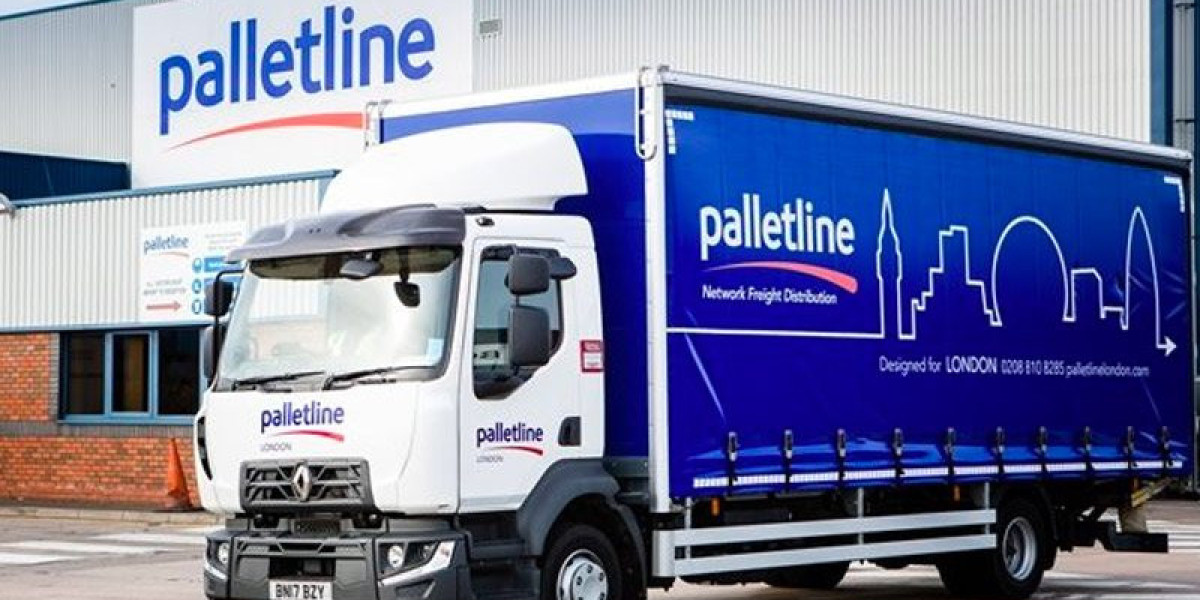

In today's fast-moving world of commerce and supply chains, the ability to move goods quickly, safely, and efficiently has never been more important. Palletised distribution stands at the core of this efficiency, acting as a bridge between manufacturers, warehouses, retailers, and end consumers. It combines structure, scalability, and simplicity to ensure that goods reach their destinations securely and on time. Whether it's consumer goods, industrial materials, or retail products, this system has revolutionized how logistics companies manage and deliver shipments across the globe.
What Is Palletized Distribution?
In its essence, palletized distribution refers to the process of transporting goods that are securely stacked and fastened onto pallets. A pallet acts as a flat, stable platform—often made of wood, plastic, or metal—designed to support heavy or bulk loads. These pallets make handling easier for forklifts and pallet jacks, significantly reducing the time and labor required to move items.
This approach streamlines the entire logistics chain. Instead of managing hundreds of individual boxes or packages, companies can consolidate them into one compact, manageable unit. Palletised loads are also easier to track, store, and distribute. Because of this, the method is now widely used in manufacturing, retail, warehousing, and international trade.
The Evolution of Palletised Logistics
The concept of palletisation isn’t new—it dates back to the early 20th century when businesses sought more efficient ways to move large quantities of goods during wartime. Before the widespread adoption of pallets, most goods were handled manually, which slowed operations and increased the risk of product damage.
When forklifts became common in warehouses, pallet usage grew rapidly. This evolution transformed manual labor-intensive operations into highly organized logistics systems. The combination of palletised goods and mechanical handling introduced unprecedented efficiency to industries. Today, palletised distribution is a cornerstone of global trade and logistics, supported by technology, automation, and digital tracking systems.
Why Palletised Distribution Matters in Modern Supply Chains
The logistics industry thrives on efficiency, and palletised distribution is one of the main tools enabling that efficiency. It reduces transit times, minimizes handling errors, and optimizes storage capacity. Companies benefit not only from faster deliveries but also from reduced damage and labor costs.
Moreover, as global supply chains become more complex, palletisation simplifies international transport. Standardized pallet sizes, such as the 1200mm x 1000mm Euro pallet, allow for better planning and loading optimization in shipping containers, trucks, and warehouses.
From a sustainability standpoint, reusable pallets also contribute to environmentally friendly logistics practices by minimizing packaging waste and promoting circular use of materials.
Key Components of an Effective Palletised Distribution System
Creating a successful palletised distribution network requires careful planning and several core elements working together:
Quality Pallets
The foundation of this system lies in strong, durable pallets. Depending on the product type, companies choose between wooden, plastic, or metal pallets. Each has specific advantages—wooden pallets are cost-effective, plastic pallets are hygienic and reusable, and metal pallets offer superior strength for heavy industrial loads.
Secure Packaging
Once goods are stacked onto a pallet, they must be secured tightly to prevent shifting during transit. This is achieved through stretch wrap, straps, corner protectors, or shrink film. The stability of the pallet load is critical to avoid damage during handling or transportation.
Efficient Handling Equipment
Forklifts, pallet trucks, and automated guided vehicles (AGVs) are vital for moving pallets safely and efficiently. These tools ensure seamless transitions between storage, loading docks, and delivery vehicles.
Smart Warehousing
In modern facilities, warehouse management systems (WMS) play a significant role. They track pallet locations, optimize storage, and coordinate dispatch schedules. Digital solutions allow logistics companies to maintain real-time visibility over inventory and shipment progress.
Reliable Transportation Network
Finally, the delivery process depends on a reliable fleet and skilled drivers. Whether goods are distributed locally or across borders, well-organized transport networks ensure timely and safe deliveries.
Advantages of Using Palletised Distribution
The benefits of palletised logistics extend far beyond convenience. Businesses across various sectors have realized significant advantages by integrating this system into their operations.
Improved Efficiency
Palletised systems streamline loading and unloading processes, allowing companies to move more products in less time. This efficiency translates to reduced downtime, fewer manual tasks, and smoother workflows.
Reduced Product Damage
Properly stacked and wrapped pallets minimize product movement and vibration during transit. This results in fewer damaged goods and less financial loss, especially for fragile or perishable items.
Enhanced Storage Utilization
Palletised goods are easy to stack vertically, maximizing warehouse space. Efficient use of height and floor area allows companies to store more inventory without expanding their facilities.
Simplified Tracking and Management
With barcodes, RFID tags, and modern tracking software, pallets can be monitored from the moment they leave the warehouse until they reach the final destination. This improves transparency and enables quick responses to logistical challenges.
Cost Reduction
By consolidating multiple items into a single unit, companies save on labor, packaging, and handling costs. The faster turnaround time also reduces overall transportation expenses.
Standardization and Compatibility
The global standardization of pallet sizes ensures compatibility across different transport modes—whether it’s road freight, air cargo, or sea shipping. This interoperability enhances coordination between international partners and carriers.
Applications Across Industries
Palletised distribution isn’t limited to one type of business—it’s an adaptable solution that serves a broad range of industries.
Retail and E-commerce
Retailers rely heavily on palletised logistics to move large volumes of products between distribution centers and stores. With e-commerce on the rise, palletisation helps companies manage rapid order fulfillment and frequent stock rotations efficiently.
Manufacturing and Industrial Goods
Factories depend on palletised systems to transport raw materials and finished goods safely between production lines and warehouses. This minimizes interruptions and improves production flow.
Food and Beverage
For perishable items, palletised systems ensure that goods remain stable and protected during refrigerated transport. Plastic pallets, in particular, are popular due to their hygienic and easy-to-clean nature.
Pharmaceuticals
In this sensitive sector, the integrity of products is paramount. Palletised transport helps maintain stability and cleanliness during movement, ensuring medicines reach their destinations safely.
Technology’s Role in Modern Palletised Distribution
The digital revolution has profoundly influenced logistics operations, and palletised distribution is no exception. Technologies such as automation, artificial intelligence, and data analytics now play key roles in enhancing performance and decision-making.
Automated palletizers and robotic arms are being used to stack goods with precision and consistency. Advanced warehouse management systems optimize pallet routes, loading patterns, and inventory rotation. IoT (Internet of Things) devices, combined with sensors, allow logistics teams to monitor temperature, vibration, and location in real-time.
Predictive analytics, powered by AI, helps identify potential bottlenecks before they occur, while digital twins and simulation tools assist companies in designing more efficient distribution networks. As a result, the combination of palletised logistics and smart technology leads to faster, safer, and more sustainable delivery models.
Environmental Impact and Sustainability
Sustainability is now a central concern for logistics companies worldwide. Palletised distribution contributes to greener supply chains in several ways. By maximizing load capacity, it reduces the number of vehicles required for transportation, thereby lowering fuel consumption and emissions.
Reusable pallets—especially those made from recycled plastics or durable wood—significantly cut down on waste. Some companies have even introduced pallet pooling systems, where pallets are shared among multiple users, ensuring efficient use and return cycles.
Moreover, eco-friendly packaging materials such as biodegradable stretch wraps and recyclable strapping solutions are helping companies meet their environmental targets. These innovations align with global efforts toward carbon neutrality and responsible resource management.
Challenges and Future Outlook
Despite its many advantages, palletised distribution also faces certain challenges. Pallet shortages, inconsistent pallet quality, and fluctuating material costs can affect operations. Additionally, as global trade expands, ensuring compatibility across international pallet standards remains a concern.
Another growing issue is reverse logistics—the process of returning empty pallets to the supplier for reuse. Managing these returns efficiently requires robust tracking and coordination systems.
Looking ahead, the future of palletised logistics appears bright. The integration of AI-driven forecasting, blockchain for transparent tracking, and automated pallet networks will likely redefine how goods move through supply chains. The continued emphasis on sustainability and efficiency will push companies to adopt smarter, greener solutions.
Conclusion
Palletised distribution has become an indispensable part of modern logistics. It offers a blend of efficiency, safety, and cost-effectiveness that few other methods can match. From simplifying warehouse operations to enabling global trade, palletization supports nearly every stage of product movement.
As industries evolve and technologies advance, this system will continue to adapt—becoming even more precise, automated, and sustainable. In an age defined by speed and reliability, palletized logistics remains the silent engine driving global commerce forward, ensuring that goods of every kind reach the right place, at the right time, and in perfect condition.
Ubicación del Autor
United Kingdom