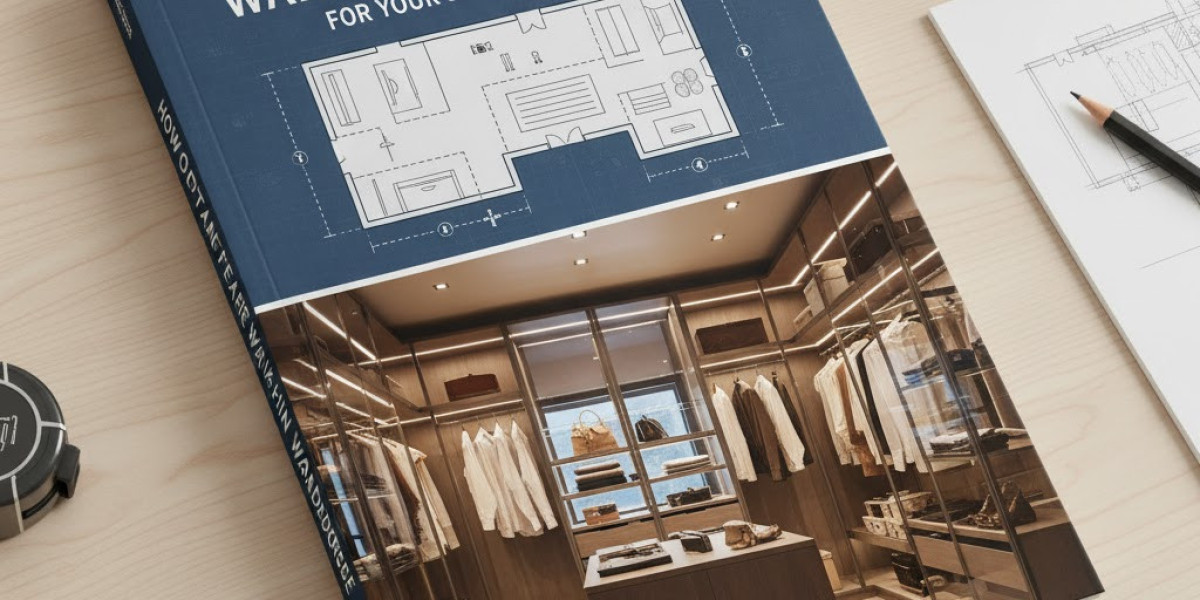

Creating a Walk-In Wardrobe is one of the most rewarding design projects for any home. It’s more than just a storage solution — it’s a lifestyle upgrade. A well-planned walk-in wardrobe offers elegance, order, and convenience, turning daily routines into luxurious experiences. But perfection doesn’t happen by chance; it’s the result of careful planning, smart design choices, and attention to detail.
Whether you’re starting from scratch or converting an existing room, this guide will help you plan the perfect walk-in wardrobe tailored to your space, needs, and personal style.
Understanding What Makes a Perfect Walk-In Wardrobe
Before diving into design ideas, it’s important to understand what makes a walk-in wardrobe truly perfect. It’s not about size or extravagance — it’s about balance, flow, and functionality.
A perfect wardrobe:
Uses every inch efficiently without feeling cramped.
Reflects your lifestyle and daily habits.
Combines practicality with aesthetics.
Feels like a space you enjoy spending time in.
In essence, the perfect walk-in wardrobe is a blend of beauty and purpose.
Step 1: Evaluate Your Space and Needs
Start with the Space You Have
Not every home has a large spare room for a wardrobe, but almost any room can be transformed with the right planning. Assess the available space, noting dimensions, lighting, and existing architecture. Corners, alcoves, or spare guest rooms can all serve as potential wardrobe areas.
Measure carefully — ceiling height, wall lengths, and window placement will influence your layout and storage options.
Define Your Storage Needs
Your wardrobe should reflect your lifestyle. Think about how you dress and what you own:
Do you need more hanging space for dresses or suits?
Are you a shoe lover who needs dedicated display shelves?
Do you require drawers for accessories or folded items?
Making an inventory of your clothing and accessories will help determine how much space each category requires.
Step 2: Choose the Ideal Layout
Your layout determines how functional your walk-in wardrobe will be. A thoughtful plan ensures you can see, reach, and organize everything easily.
Popular Layout Styles
L-Shaped: Ideal for corner spaces, offering plenty of room while maintaining easy access.
U-Shaped: Uses three walls for maximum storage, perfect for larger rooms.
Straight-Line: Best for smaller or narrow rooms, with everything arranged along one wall.
Island Layout: For spacious wardrobes, a central island adds elegance and extra storage.
Plan for Flow and Movement
Your walk-in wardrobe should allow smooth movement without feeling congested. Leave at least 90 cm (around 3 feet) of walking space between furniture and walls for comfortable navigation.
Zoning Your Wardrobe
Divide your wardrobe into zones based on clothing type:
Hanging section for shirts, dresses, and trousers.
Drawer space for smaller items.
Shelves for shoes and handbags.
Accessory drawers for watches, belts, and jewelry.
Zoning brings order and efficiency, making dressing up quick and effortless.
Step 3: Invest in Smart Storage Solutions
Storage is the backbone of a successful walk-in wardrobe. The more intelligently it’s designed, the more luxurious it feels.
Incorporate Adjustable Features
Use adjustable shelves and rods to adapt to changing wardrobe needs. Over time, your collection may grow, or your preferences may shift. Flexibility is key to longevity.
Use Vertical Space
Don’t neglect height — high shelves can store seasonal items or lesser-used accessories. Adding a pull-down hanging rail makes accessing higher sections easier.
Hidden Compartments and Drawer Dividers
Drawers with built-in dividers keep jewelry, ties, and accessories neat and accessible. Hidden compartments or pull-out trays can safely store valuables.
Dedicated Shoe Storage
Display shelves or pull-out racks keep shoes visible and well-organized. For true boutique appeal, consider spotlighting your favorite pairs.
Step 4: Lighting — The Mood Enhancer
Lighting can make a world of difference. It’s not just about visibility — it sets the tone and enhances the aesthetic appeal.
Layered Lighting Design
Ambient lighting: Provides general illumination across the room.
Task lighting: Focuses on functional areas like mirrors and shelves.
Accent lighting: Highlights display sections or adds drama with LED strips.
Smart Lighting Solutions
Motion sensor lights, dimmable LEDs, and warm tones create a refined atmosphere while saving energy. The right lighting can make even a small wardrobe look luxurious and inviting.
Step 5: Select High-Quality Materials and Finishes
A well-designed wardrobe deserves materials that look good and last long. Your choices should complement the rest of your home while standing out in sophistication.
Top Material Choices
Solid wood or veneer: Adds warmth and timeless appeal.
Glass and mirrors: Create a spacious, reflective ambiance.
Matte finishes: Offer a modern, understated elegance.
Metal accents: Brass, chrome, or matte black for a refined touch.
Play with Texture and Tone
Contrast materials for a dynamic effect — a mix of matte cabinetry with glossy handles, or wood textures paired with soft leather drawer fronts, gives depth and richness.
Step 6: Add Personalization and Character
The true charm of a walk-in wardrobe lies in its personality. Customize the space to reflect your taste, habits, and sense of luxury.
Incorporate Seating
A cushioned bench or an elegant chair not only adds comfort but also a touch of opulence. It makes the space feel more like a personal dressing lounge.
Include a Dressing Area
A full-length mirror and a vanity with lighting can transform your wardrobe into a complete dressing suite. Keep makeup, perfumes, and grooming essentials within reach for convenience.
Decorative Touches
Add a rug, a piece of art, or a few designer boxes for visual flair. The goal is to create a space that feels curated, not cluttered.
Step 7: Optimize for Functionality and Maintenance
Luxury and practicality must go hand in hand. Your walk-in wardrobe should not only look good but also be easy to maintain.
Choose Easy-to-Clean Finishes
Opt for fingerprint-resistant surfaces, dust-friendly materials, and sliding doors to minimize cleaning time.
Ensure Proper Ventilation
Good airflow prevents moisture buildup and keeps clothes fresh. Integrating a small vent or dehumidifier is a smart move, especially in humid areas.
Organization Systems
Incorporate labeled drawers, modular baskets, or pull-out racks for easy categorization. The more organized your wardrobe, the easier it is to maintain that sense of luxury.
Step 8: Don’t Forget Technology
Today’s wardrobes are smarter than ever. Integrating technology adds convenience, efficiency, and modern flair.
Smart Wardrobe Features
Automated lighting: Lights up as soon as you enter.
Built-in speakers: Set the mood with your favorite playlist.
Digital mirrors: Try virtual outfit previews or view weather updates while dressing.
Climate control: Keeps fabrics in top condition year-round.
These innovations make your wardrobe a seamless part of your smart home ecosystem.
Step 9: Work with the Right Professionals
Even if you have a clear vision, expert input can take your design from good to exceptional.
Consult Interior Designers or Joinery Experts
They can help you visualize layouts, recommend materials, and ensure optimal functionality. A professional touch ensures that every inch of space is used efficiently.
Quality Craftsmanship Matters
Precision in fitting, alignment, and finishing makes all the difference. Skilled craftsmanship transforms ordinary designs into timeless luxury.
Step 10: Keep It Timeless
Trends come and go, but a truly perfect walk-in wardrobe remains stylish for years. Choose a design that’s classic yet adaptable.
Neutral Foundations, Flexible Additions
Stick to neutral base colors for cabinetry and flooring. You can always refresh the look later with decor, lighting, or accessories.
Sustainable Longevity
Opt for durable materials and modular systems that can evolve with your needs. A well-built wardrobe should be an investment — not just a renovation.
Common Mistakes to Avoid When Planning Your Walk-In Wardrobe
Even the most beautiful wardrobes can fall short if planning isn’t done right. Here are some pitfalls to watch for:
Overcrowding the space: Too much storage can make the area feel cramped.
Ignoring lighting: Poor illumination diminishes functionality and luxury.
Neglecting accessibility: Hard-to-reach corners waste potential space.
Forgetting about ventilation: Clothes need airflow to stay fresh.
Skipping personalization: A generic design won’t feel inspiring.
Avoiding these mistakes ensures your wardrobe remains both beautiful and practical.
Conclusion: Turning Space into Style
Designing the perfect walk-in wardrobe is about transforming your daily routine into an elegant experience. It’s where practicality meets personality — a space that blends organization, comfort, and sophistication.
By thoughtfully planning the layout, materials, lighting, and personalization, you create more than just storage — you craft a private retreat.
Remember, perfection doesn’t always come from luxury finishes or vast spaces. It comes from design that reflects who you are, how you live, and what you value. A well-planned walk-in wardrobe doesn’t just hold your clothes — it elevates your lifestyle.