
Imagine stepping out of bed on a chilly morning, your toes greeted not by cold tile or hardwood but by a gentle, soothing warmth that wraps around you like a cozy embrace. This is the magic of radiant heat systems—a luxurious upgrade that goes beyond mere aesthetics to redefine how we experience comfort in our homes. But why should you consider investing in this innovative heating solution? In an era where energy efficiency and sustainable living are at the forefront of homeowner priorities, radiant-heat offers both immediate coziness and long-term value that can transform your space into a personal sanctuary.
Introduction to Radiant-Heat Systems and Their Benefits
Radiant-heat systems have gained popularity in recent years, especially among homeowners looking for more efficient and comfortable heating solutions. These systems work by using heat transfer through radiation, convection, and conduction to warm up a space. They can be installed in floors, walls, or ceilings to provide consistent and even warmth throughout a room.
One of the main benefits of radiant-heat systems is their energy efficiency. Unlike traditional forced-air heating systems that rely on blowing hot air into a room, radiant-heat systems use less energy because they do not require fans or ductwork. This means that they can help reduce your energy bills and save you money in the long run.
Another advantage of radiant-heat systems is their ability to provide targeted heating. With traditional heating methods, it can be challenging to maintain an even temperature throughout different areas of a home. However, with radiant-heat systems, you can control the temperature in each specific area as needed. For example, you might want your living room to be warmer than your bedroom at night – with a single flip of a switch or turn of a knob on your thermostat, this can easily be achieved. Radiant-heat systems combine energy efficiency, comfort, and health benefits, making them a smart investment for modern homes and commercial spaces.
Understanding the Long-Term Value of Investing in Comfort
Investing in comfort goes beyond immediate satisfaction. It’s about creating a warm, welcoming space that enhances daily life. Radiant-heat systems offer not just physical warmth but also emotional well-being. These systems ensure consistent temperatures throughout your home, eliminating cold spots and drafts. This uniformity promotes relaxation and improves productivity, making every corner of your dwelling enjoyable.
Consider the long-term savings as well. Lower energy bills and reduced maintenance costs add to the appeal of radiant-heat over time. Homeowners can appreciate both financial relief and enhanced comfort year-round. Additionally, radiant-heating contributes positively to property value. Prospective buyers often seek homes with efficient heating solutions, viewing them as wise investments for their future living experience.
The Science behind Radiant-Heat and how it Works
Radiant-heat systems operate on a simple yet effective principle: warmth radiates from surfaces. Unlike traditional heating methods that warm the air, radiant-heat warms objects and people directly. This system utilizes conductive materials to transfer heat efficiently. Water or electric coils embedded in floors, walls, or ceilings deliver consistent warmth. As these surfaces reach a comfortable temperature, they emit infrared radiation.
When you enter a room with radiant-heating, you feel cozy almost instantly. The method ensures no drafts or cold spots exist, creating an even temperature throughout your space. The science behind it also emphasizes energy efficiency. By lowering the thermostat slightly during operation without sacrificing comfort levels, users can save significantly on energy costs over time. This balance of comfort and efficiency makes radiant-heat systems increasingly popular among homeowners looking for long-term solutions.
Types of Radiant-Heat Systems: In-Floor, Wall, and Ceiling
Radiant-heat systems come in various forms, each suited to different spaces and preferences. In-floor heating is the most popular choice, delivering warmth directly through the floor surface. This method ensures even heat distribution, making it particularly comfortable during chilly months.
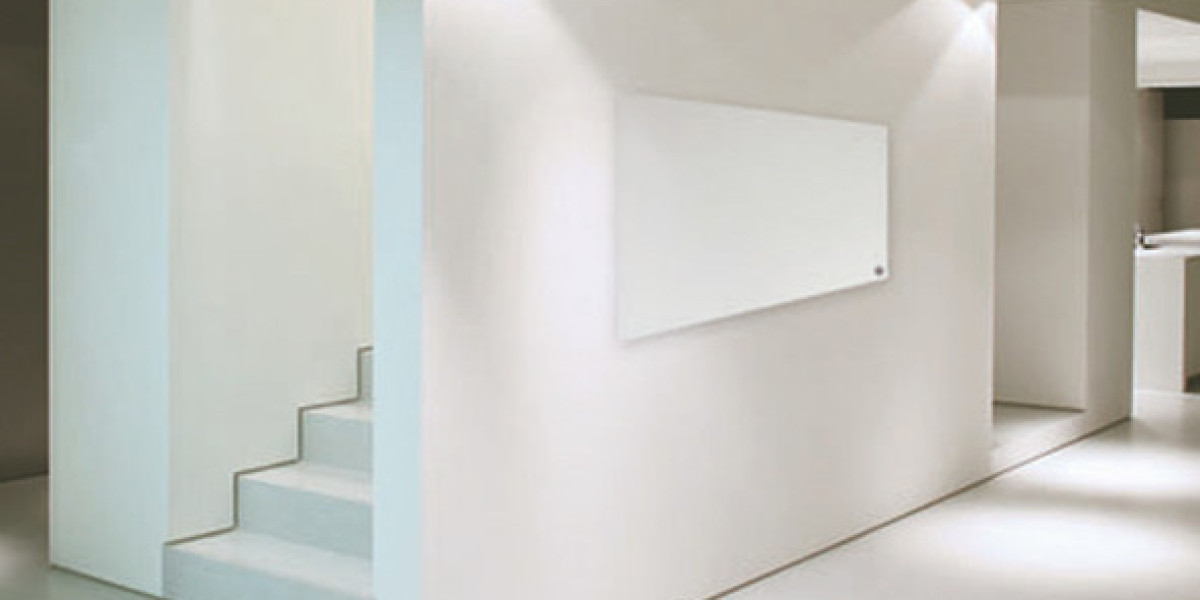
Wall-mounted radiant systems offer another option. These are perfect for homes with limited floor space or unique architectural features. They can be strategically installed to maximize comfort without sacrificing aesthetics.
Ceiling-based systems represent a less common but effective approach. By utilizing convection currents, these panels radiate warmth downwards. This method can effectively warm larger areas while freeing up wall and floor space for other uses. When choosing between these types, consider your home’s layout and personal comfort preferences. Each system has its distinct advantages that cater to varying needs in heating efficiency and design flexibility.
The Vital Role and Purpose of Radiant Heat
Radiant heat systems have gained immense popularity in recent years due to their numerous benefits and long-term value. These systems use a different approach to heating compared to traditional forced-air systems, making them more efficient and cost-effective. In this section, we will delve into the vital role and purpose of radiant-heat systems and how they contribute to the overall comfort and efficiency of a home.
Firstly, it is crucial to understand the concept behind radiant-heat. Unlike forced-air systems that rely on blowing hot air through vents, radiant-heat works by transferring heat directly from a warm surface to people or objects in the room. This method mimics the way the sun warms the earth, providing a consistent and comfortable warmth throughout the space.
One of the primary purposes of radiant-heat systems is to create a more even distribution of heat in a room. With traditional heating methods, warm air rises, leaving those at ground level feeling colder. However, with radiant-heat, all surfaces in a room are warmed evenly, creating a more balanced temperature throughout. This not only increases comfort but also reduces energy consumption as there is no need for constantly adjusting the thermostat to achieve desired temperatures.
Factors to Consider Before Installing a Radiant-Heat System
Before diving into the installation of a radiant-heat system, several factors require careful consideration. First, assess your home's insulation. Proper insulation ensures that heat stays in and energy costs remain low. Poorly insulated spaces may negate the advantages of radiant-heating.
Next, think about flooring types. Different materials conduct heat differently; tile and stone are excellent choices while carpet can hinder performance. You’ll also want to evaluate your current heating system. If you’re replacing an outdated boiler or furnace, a radiant setup might be more efficient in providing warmth throughout your space.
Consider installation complexity as well. Retrofitting existing homes can be challenging compared to new builds where integration is seamless. Lastly, budget plays a significant role in deciding on this investment. Weigh initial costs against potential long-term savings for optimal comfort and efficiency down the line.
Cost Analysis: Comparing Traditional Heating Methods vs. Radiant-Heat
When comparing traditional heating methods to radiant-heat, the differences in cost can be striking. Traditional systems often rely on forced air, which can create drafts and uneven temperatures. This means homeowners may spend more on energy bills just to maintain comfort. Radiant-heat systems operate differently. By warming surfaces rather than relying solely on air circulation, they provide a consistent temperature throughout the space. This efficiency translates into lower energy consumption over time.
Installation costs for radiant-heat might initially seem high. However, consider that these systems typically require less maintenance compared to conventional units. Longer lifespans also contribute positively to long-term savings. It's essential to factor in both initial investment and ongoing expenses when evaluating options. While traditional heating might have lower upfront costs, radiant-heat offers potential savings in energy bills and maintenance fees that can add up substantially over the years.
Maintenance and Upkeep of Radiant-Heat Systems
Maintaining a radiant-heat system is essential for optimal performance. Regular checks can prevent minor issues from escalating into costly repairs. Start with periodic inspections of the boiler or water heater. Look for any signs of leaks and ensure that all connections are secure. It’s also wise to bleed the radiators to release trapped air, ensuring efficient heat distribution.
Check the thermostat settings periodically as well. An accurate thermostat keeps your home comfortable while saving energy. For hydronic systems, consider flushing the system every few years. This process removes sediment build-up and maintains efficiency.
Don’t overlook insulation around pipes either; proper insulation minimizes energy loss and enhances overall effectiveness. Lastly, schedule professional maintenance at least once a year. Experts can identify problems early, keeping your system running smoothly throughout its lifespan.
The Environmental Impact of Radiant-Heat and its Contribution to Sustainable Living
Radiant-heat systems play a significant role in promoting sustainable living. By efficiently distributing warmth, they reduce reliance on fossil fuels. This can lead to lower greenhouse gas emissions. Energy consumption is minimized with radiant-heating compared to traditional methods. These systems operate at lower water temperatures, making them compatible with renewable energy sources like solar or geothermal power.
Moreover, radiant-heat enhances indoor air quality. Unlike forced-air systems, it doesn't circulate dust and allergens. This creates a healthier environment for occupants and reduces the need for additional air filtration measures. The longevity of these systems also contributes to sustainability. With proper maintenance, radiant-heat installations can last decades without needing replacement parts frequently, reducing waste over time. Investing in radiant-heat isn't just about comfort; it's an eco-conscious choice that aligns with modern environmental values.
Conclusion
Investing in a radiant heat system can transform your home into a sanctuary of comfort. The benefits extend far beyond the initial installation, offering long-term savings and increased property value. With efficient energy use and consistent warmth that warms from the ground up, residents often find themselves enjoying unparalleled comfort during cold months. The science behind radiant-heat is compelling. It distributes warmth evenly across surfaces, eliminating those chilly drafts that traditional systems sometimes leave behind. Whether you choose in-floor, wall-mounted, or ceiling options, each type has its advantages tailored to different needs and preferences.
FAQs
What Exactly Is A Radiant Heat System?
A radiant-heat system is a method of heating a building or space by using infrared radiation to transfer heat directly from a hot surface to people and objects in the room. This is different from traditional forced-air systems that heat the air in a room, which then warms up the surrounding objects.
How Does It Work?
A radiant-heat system uses a series of pipes or electric heating elements installed under your flooring, in walls, or on ceilings to emit heat evenly throughout the room. The heated surface then radiates warmth into the space, creating an even and comfortable temperature.
Are There Different Types Of Radiant-Heat Systems?
Yes, there are three main types of radiant-heat systems: hydronic, electric, and air-heated. Hydronic systems use heated water circulated through pipes while electric systems use wires or mats installed under flooring. Air-heated systems use hot air that is blown through ducts in floors or walls.
Related Business Listings |