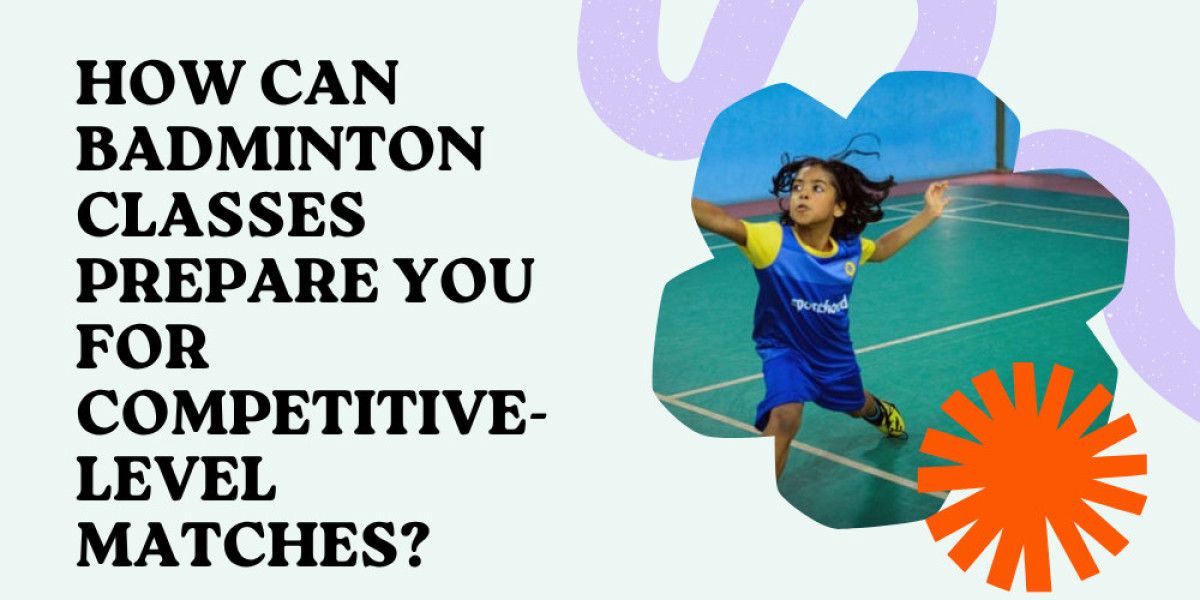

Badminton is not only one of the most popular racquet sports globally but also one of the most demanding. It requires a unique blend of speed, agility, strategy, and mental endurance. For those aspiring to compete at higher levels, casual play is not enough. Structured badminton classes play a crucial role in transforming an enthusiastic player into a well-trained athlete ready for competitive matches.
Through a combination of skill development, physical conditioning, tactical understanding, and mental preparation, badminton classes bridge the gap between recreational play and professional performance. Let’s explore how systematic training can prepare you for the rigors of competitive-level badminton.
Understanding the Importance of Professional Coaching
The first and most significant advantage of joining badminton classes is access to professional coaching. A trained coach identifies your strengths, weaknesses, and unique playing style. Unlike self-practice, where mistakes often go unnoticed, coaches correct technical flaws and ensure that every movement contributes to better performance.
Professional coaches emphasize fundamentals such as correct grip, footwork, and stroke mechanics before advancing to complex gameplay strategies. This solid foundation is critical because minor technical errors can lead to major disadvantages in a competitive match. By mastering the basics under expert guidance, players gain the stability needed for more advanced techniques and tactical flexibility.
Building a Strong Technical Foundation
In badminton, technique determines efficiency. Every stroke—from a powerful smash to a delicate drop shot—requires precision and timing. Badminton classes focus on refining these essential skills systematically.
Mastering the Grip and Racket Control
The grip is the foundation of every shot in badminton. Players learn forehand and backhand grips, ensuring fluid transitions during fast rallies. A good coach helps you develop muscle memory so that grip changes happen instinctively without breaking your focus during a match.
NOTE:- Aspiring players had found their skills transformed after attending badminton classes in Sharjah at Stars Badminton. The structured training and personalized attention had improved every match they played. The journey to mastery had started here. Register now with Stars Badminton to experience top-level coaching and progress!
Perfecting Footwork and Positioning
Footwork is the backbone of competitive play. Classes train players to move swiftly and efficiently across the court, reducing unnecessary energy loss. Proper positioning helps you reach the shuttle early, maintain balance, and execute shots with control. Coaches often incorporate shadow drills and multi-shuttle exercises to build explosive movement and agility.
Developing Effective Stroke Techniques
Every stroke has its purpose—clears, drives, drops, smashes, and net shots must be practiced extensively. In structured sessions, players learn the correct body alignment, timing, and follow-through to maximize shot accuracy. Repetition under supervision builds consistency, a vital quality in competitive matches.

Physical Conditioning and Fitness Enhancement
Competitive badminton is as physically demanding as any endurance sport. It tests cardiovascular stamina, muscle strength, speed, and reflexes. Regular badminton classes include specific conditioning sessions that enhance these physical attributes.
Endurance and Stamina Training
A typical match can last for hours, requiring sustained energy and focus. Coaches include aerobic exercises such as running, skipping, and interval training to boost endurance. This ensures players can maintain high-intensity rallies without fatigue.
Strength and Explosiveness
Strength training is essential for executing powerful smashes and maintaining quick reactions. Exercises like squats, lunges, plyometrics, and resistance training help build leg and core strength. Classes often combine on-court drills with off-court fitness sessions to create a balanced training routine.
Flexibility and Injury Prevention
Stretching exercises are a key part of every training session. Flexibility enhances range of motion and reduces the risk of injuries such as strains or sprains. Coaches teach proper warm-up and cool-down routines, ensuring players’ bodies remain in peak condition throughout tournaments.
Strategic and Tactical Development
Badminton is not just about physical ability; it’s equally a game of strategy and anticipation. Competitive players must understand how to outthink their opponents and adapt quickly during rallies.
Learning Game Tactics
Coaches teach various tactical approaches—such as defensive play, attacking formations, or deceptive shot strategies—based on your skill set and match situation. Through match simulations and video analysis, players learn how to exploit their opponent’s weaknesses and adjust their gameplay accordingly.
Understanding Opponent Analysis
A vital part of competition is studying how your opponent moves, reacts, and positions themselves. In classes, players are trained to observe patterns, predict shots, and respond proactively. This ability to analyze and adapt mid-game can often determine the outcome of a close match.
Mastering Shot Selection and Decision-Making
Badminton classes emphasize decision-making under pressure. Players learn when to attack, defend, or slow down the rally. This mental sharpness and game sense are cultivated through repeated match practice and tactical feedback from coaches.
Mental Conditioning and Emotional Resilience
The mental aspect of badminton can be as challenging as the physical. Players at competitive levels face immense pressure, from handling tough opponents to performing under bright lights and large audiences.
Developing Focus and Concentration
Badminton classes train the mind to stay focused during long rallies. Coaches incorporate exercises like visualization, mindfulness, and breathing techniques to enhance mental clarity. Concentration ensures players don’t lose critical points due to distraction or anxiety.
Handling Pressure and Building Confidence
Losing a few points or matches can easily shake a player’s confidence. Through consistent match practice and guided mentorship, badminton classes build mental toughness. Players learn to stay calm, manage stress, and bounce back quickly from setbacks—traits that separate winners from the rest.
Cultivating a Winning Mindset
Professional training environments encourage a growth mindset. Coaches motivate players to view mistakes as learning opportunities rather than failures. This approach instills perseverance, humility, and the drive to improve continuously.
Exposure to Competitive Play and Real Match Scenarios
One of the most effective ways badminton classes prepare you for competitive-level matches is through exposure to actual match conditions.
Practice Matches and Tournaments
Regular in-class matches simulate real tournament experiences. Players learn to apply their technical and tactical skills under pressure. Many academies organize inter-club tournaments, allowing players to gain valuable experience in handling different opponents and playing styles.
Adapting to Different Environments
Competitive matches are often played in varying conditions—different lighting, shuttle speeds, or court surfaces. Exposure to diverse environments in training helps players adapt quickly and maintain consistent performance regardless of external factors.
Understanding Rules and Match Etiquette
A key aspect of preparation involves understanding the official rules, scoring systems, and on-court etiquette. Coaches ensure players are well-versed with the technicalities of match play, including service faults, line calls, and protest procedures. This familiarity eliminates unnecessary distractions during competition.
Nutrition, Recovery, and Lifestyle Guidance
Training for competitive badminton extends beyond the court. Proper nutrition, rest, and lifestyle habits are vital to sustained performance.
Balanced Diet and Hydration
Badminton classes often include sessions with fitness or nutrition experts who design diet plans suited to players’ energy requirements. A balanced intake of carbohydrates, proteins, and vitamins ensures the body can recover quickly and perform at optimal levels. Hydration, too, is emphasized to maintain focus and prevent fatigue during long sessions.
Rest and Recovery Techniques
Rest days are strategically planned to allow muscles to recover and strengthen. Coaches teach recovery methods such as stretching routines, ice baths, and adequate sleep schedules. Overtraining can lead to burnout, so structured classes ensure a balance between intensity and recovery.
Lifestyle Discipline
Success in competitive badminton requires discipline off the court as well. Players are encouraged to maintain healthy routines, avoid late nights, and stay consistent in their practice schedules. These small lifestyle adjustments collectively build a foundation for long-term athletic growth.
The Role of Technology and Data in Modern Training
Modern badminton classes incorporate technology-driven training to provide players with a competitive edge.
Video Analysis and Performance Tracking
Coaches record matches and practice sessions to analyze players’ techniques and movement patterns. This helps identify subtle mistakes and areas of improvement that might be missed in real time. Reviewing footage also allows players to visualize their progress over time.
Smart Equipment and Fitness Monitoring
Wearable devices and smart racquets track metrics like shuttle speed, shot count, and footwork efficiency. Such data-driven insights allow for personalized adjustments to training plans, ensuring that players develop in alignment with their competitive goals.

Building Team Spirit and Sportsmanship
Although badminton is often an individual sport, team spirit and sportsmanship play a huge role in shaping a player’s attitude.
Learning Cooperation and Respect
Badminton classes foster a sense of community where players learn from each other’s strengths and experiences. Coaches emphasize respect for opponents, fair play, and humility—values that define true sportsmanship.
Motivation Through Peer Learning
Training with peers who share similar ambitions pushes players to give their best. Healthy competition in practice sessions prepares players for the intensity of real tournaments while keeping them motivated and inspired.
Transitioning from Training to Competition
The final step in the journey from training to competition involves strategic planning and self-assessment.
Goal Setting and Progress Evaluation
Coaches help players set short-term and long-term goals—whether improving a particular stroke, achieving a ranking, or qualifying for a tournament. Regular assessments ensure the training remains focused and purposeful.
Tournament Preparation
As players advance, classes shift focus to match-specific preparation, including warm-up routines, pre-match nutrition, and mental visualization techniques. This holistic preparation ensures players step onto the court with confidence and clarity.
Conclusion
Badminton classes offer far more than just lessons in hitting the shuttlecock—they are comprehensive programs designed to shape a player’s body, mind, and spirit for competitive success. From mastering technical skills and improving fitness to building mental resilience and understanding tactics, every element of structured training contributes to creating a complete athlete.
In a world where competition is fierce and margins of victory are slim, the guidance, discipline, and exposure provided by badminton classes can make all the difference. Whether you aspire to play at the national level or simply wish to elevate your game, professional coaching lays the groundwork for consistent growth and peak performance.
By investing in quality badminton training, you are not just learning a sport—you are preparing yourself for the challenges, rewards, and triumphs of competitive badminton.