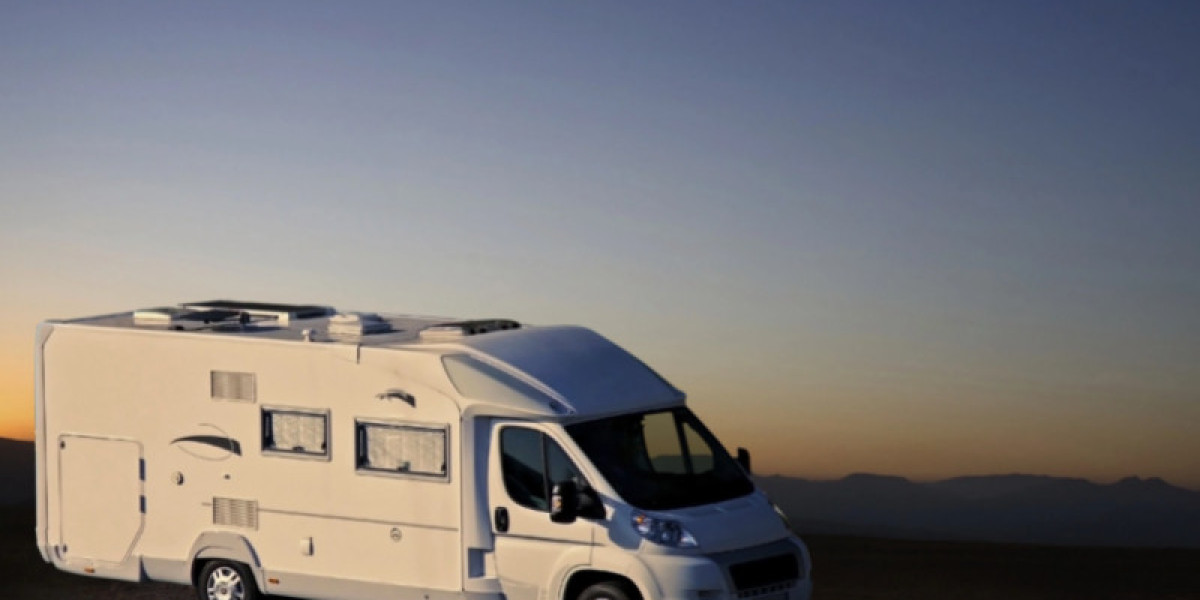

Owning and traveling in an RV is exciting. You get to explore new places, enjoy the open road, and experience freedom like no other. But one challenge every RV owner faces is finding RV-friendly gas stations. Unlike regular vehicles, RVs are larger, heavier, and require more space to refuel safely. Knowing where to stop is key to a smooth trip. This guide will show you exactly how to find gas stations that welcome RVs, so you can travel safely and enjoyably.
Understanding RV-Friendly Gas Stations
An RV-friendly gas station is more than just a place to fill up your tank. These stations offer features and services designed to accommodate large vehicles. Some key aspects to look for include:
Wide entry and exit lanes: RVs need more room to maneuver, so stations with wide lanes make fueling easier.
High clearance: Many RVs are taller than regular vehicles. Overhead signs, awnings, and fuel pumps should have enough clearance.
Diesel fuel availability: Most large RVs run on diesel. A gas station that offers diesel will be more convenient.
Extra amenities: Some stations offer dump stations, water fill-ups, or parking spots specifically for RVs.
Understanding these features helps you plan better stops and avoid stressful situations while on the road.
Use Online Tools and Apps
In today’s digital age, finding RV-friendly gas stations has become much easier. Several websites and apps are dedicated to helping RV owners locate safe and convenient fueling points.
1. Popular RV Resources
Popular RV is one of the best online platforms for RV owners. While it is primarily known for buying and selling RVs online, it also provides community tips and travel advice. Users often share information about RV-friendly routes and gas stations. You can use this platform to find locations recommended by experienced RV travelers.
2. Mobile Apps
Several apps are designed specifically for RV owners. They allow you to search for nearby gas stations based on RV accessibility. Some popular options include:
RV Trip Wizard: Helps plan routes with RV-friendly fuel stops.
GasBuddy: Offers a filter for diesel and large vehicle access.
AllStays: Provides detailed information on RV parking, dump stations, and gas stations.
Using these apps ensures you can plan stops ahead of time, saving time and stress.
Plan Your Route Carefully
Planning your route in advance is crucial for RV travel. Unlike cars, RVs cannot stop at every gas station. Here are some tips for planning:
Know your RV’s fuel range: Understand how far your RV can travel before needing a refill. Large RVs usually have a range of 200 to 400 miles.
Map RV-friendly stations: Use online maps and apps to mark stations with diesel fuel and large vehicle access.
Avoid congested areas: Large RVs may struggle in cities or crowded urban stations. Choose stations near highways or open areas for easier maneuvering.
Check for amenities: Some gas stations also provide dump stations, water fill-ups, and overnight parking. These features are valuable for long trips.
Careful route planning prevents you from running out of fuel or encountering stations that cannot accommodate your RV.
Ask the RV Community
Experienced RV travelers often share their favorite stops. Joining RV forums, social media groups, and local RV clubs is an excellent way to gain insights.
Forums: Websites like RV.net and iRV2.com have active communities where travelers post detailed reviews of gas stations.
Social Media: Facebook groups dedicated to RV travel often discuss RV-friendly gas stations, safe parking areas, and local tips.
Local RV Clubs: Many cities have RV clubs that can provide recommendations for the best fueling stations in your area.
Learning from others saves time and prevents common mistakes.
Look for Key Signs and Features While Driving
Even with planning, you may need to find an RV-friendly gas station on the go. Here’s what to look for:
Wide lanes and large parking areas: Ensure the RV can easily enter and exit without damaging mirrors or bumpers.
Tall clearance: Check for signs indicating height restrictions. Avoid stations with low canopies.
Multiple diesel pumps: This helps prevent waiting behind cars at the pump.
Convenient amenities: Some stations have convenience stores, restrooms, or even small restaurants for a quick break.
Paying attention to these features keeps your RV safe and ensures a smooth refueling process.
Plan for Off-Hours Fueling
Gas stations can get crowded, especially during weekends or holidays. For RV travelers, refueling during off-hours is highly recommended. Early mornings or late evenings usually have fewer vehicles, making it easier for large RVs to maneuver. This also reduces the risk of blocking other vehicles or causing accidents in tight spaces.
Maintain RV Safety While Refueling
Safety should always be a priority. Large RVs pose unique challenges during fueling. Follow these precautions:
Use proper fueling procedures: Ensure the engine is turned off and avoid distractions while filling the tank.
Stay aware of height restrictions: Avoid pumps that are too low or tight spaces.
Keep distance from other vehicles: Large RVs need extra space. Avoid getting too close to cars or other RVs.
Secure all hoses and compartments: Make sure your RV is stable and hoses are properly connected before driving away.
Following these safety tips prevents accidents and keeps your journey worry-free.
Consider Alternative Fuel Options
In some areas, traditional gas stations may not be RV-friendly. Here are some alternatives:
Truck stops: Many truck stops are designed for large vehicles and provide diesel fuel. They often have amenities like showers and parking for overnight stays.
RV parks and campgrounds: Some RV parks offer fuel services for registered guests.
Specialty RV service centers: Certain locations focus on RV maintenance and refueling. These are particularly useful in rural areas.
Exploring alternative fuel options gives flexibility, especially in less populated regions.
Keep a Fuel Log
Tracking fuel consumption is important for long RV trips. A fuel log helps you understand how far you can travel between stops and allows you to plan future routes better. Record:
Date and location of fueling
Amount of fuel added
Cost of fuel
Miles traveled since the last fill-up
This simple habit helps prevent running out of fuel unexpectedly and ensures you always stop at RV-friendly stations.
Make Use of Community Reviews
Online reviews provide real-world insights into how RV-friendly a gas station is. Check websites like Google Maps, Yelp, and RV forums for reviews. Pay attention to comments about:
Accessibility for large vehicles
Availability of diesel pumps
Cleanliness and amenities
Staff helpfulness
Real experiences from other RV owners give you a reliable guide to the best fueling spots.
Prepare for Emergencies
Even with careful planning, unexpected situations can arise. Be ready with:
A backup list of nearby RV-friendly gas stations
Extra fuel containers if allowed by law
Contact information for roadside assistance and towing services
Being prepared prevents stress and ensures your RV trip stays enjoyable.
Leverage GPS and Navigation Tools
Modern GPS devices and navigation apps have features specifically for large vehicles. They can help:
Avoid low bridges and tight roads
Direct you to RV-friendly gas stations
Offer real-time traffic updates to choose less congested routes
Combining GPS tools with community tips creates a reliable system for finding fueling stations anywhere you travel.
Summary
Finding RV-friendly gas stations is essential for a smooth and safe journey. By understanding what makes a station RV-friendly, using online tools like Popular RV, planning routes carefully, and leveraging community knowledge, RV owners can travel confidently. Always prioritize safety, prepare for emergencies, and make fueling stops part of your adventure rather than a hassle. With the right planning and resources, exploring new destinations in your RV can be an enjoyable, stress-free experience.
Whether you are a first-time RV owner or a seasoned traveler, knowing how to find the right gas station ensures your trips remain smooth, safe, and memorable.