
Seaweed has been a core ingredient in Korean cuisine for centuries. Known as “Gim” (김), “Miyeok” (미역), and “Dasima” (다시마), seaweed is not only delicious but also packed with essential nutrients. From soups to snacks, Koreans have mastered the art of making seaweed flavorful and healthy. In this article, we’ll explore the different types of seaweed used in Korean cooking, their nutritional value, and the mouthwatering dishes you can try.
What Is Seaweed in Korean Cuisine?
Seaweed, or “Haetgim”, refers to a variety of edible marine plants used in Korean dishes. It’s harvested from the clean coastal waters of Korea and dried naturally. Seaweed is a staple food item, eaten daily by millions of Koreans in soups, side dishes, and even crispy snacks.
Koreans believe seaweed promotes health and longevity. It’s especially associated with celebrations like birthdays and childbirth because of its high nutritional value.
Types of Korean Seaweed
Korean cuisine uses several types of seaweed, each with a distinct flavor and texture.
1. Miyeok (미역 – Brown Seaweed)
Miyeok is commonly used in Miyeok-guk (seaweed soup). It has a soft, slippery texture when cooked and a mild, oceanic taste. It’s rich in iodine, calcium, and iron—making it perfect for postpartum recovery and overall wellness.
2. Gim (김 – Dried Seaweed Sheets)
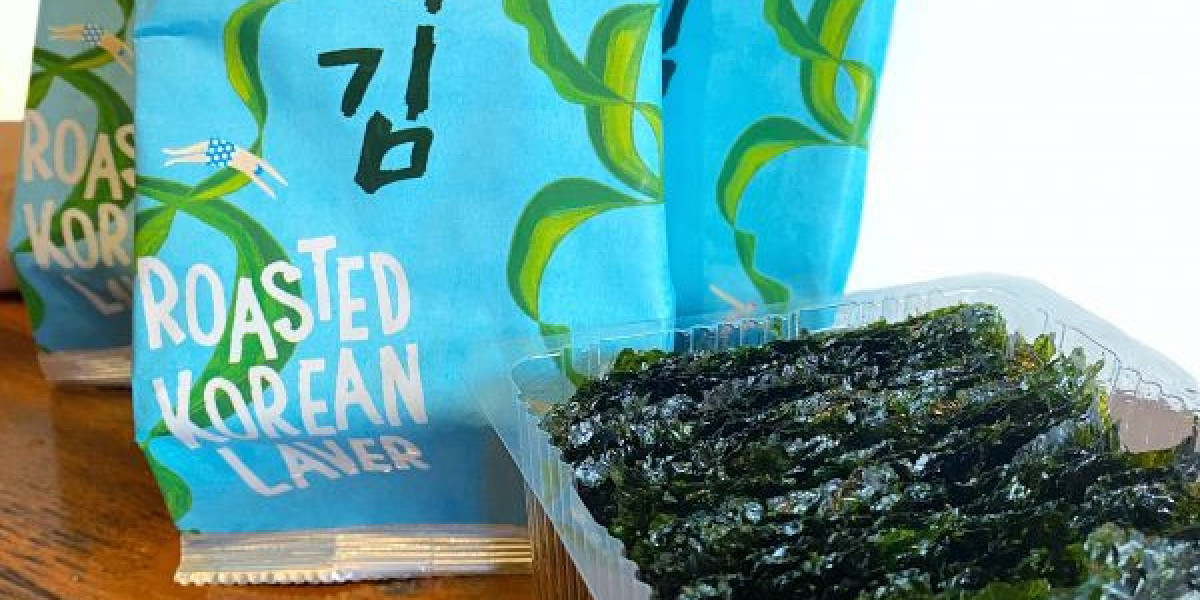
Gim is the most famous type, known internationally as nori. It’s roasted and lightly salted to make crispy sheets served with rice or as a snack. Gim is rich in vitamin C, omega-3 fatty acids, and fiber.
3. Dasima (다시마 – Kelp)
Dasima is thick, chewy seaweed often used for making broth (dashima-yuksu). It gives soups and stews a deep umami flavor, similar to Japanese kombu.
Each type plays a unique role—Miyeok adds comfort to soups, Gim adds crunch to meals, and Dasima adds richness to broths.
Nutritional Value of Korean Seaweed
Seaweed is a superfood with impressive nutrition that supports overall health.
1. Rich in Minerals
Seaweed is high in iodine, iron, magnesium, and calcium—essential for thyroid health, blood circulation, and bone strength.
2. Low in Calories but High in Fiber
It’s naturally low in fat and calories while offering high fiber content, helping digestion and weight control.
3. Antioxidant Properties
Seaweed contains antioxidants like vitamins A, C, and E that protect your cells from free radicals and slow aging.
4. Supports Heart Health
The omega-3 fatty acids in seaweed help reduce bad cholesterol levels, improving heart health over time.
5. Boosts Metabolism and Energy
Thanks to its iodine content, seaweed supports healthy thyroid function, which regulates metabolism and energy levels.
Famous Korean Seaweed Dishes
Korean cooking offers many delicious seaweed-based recipes. Here are some of the most popular ones you can try at home.
1. Miyeok-guk (Seaweed Soup)
Miyeok-guk is one of Korea’s most iconic dishes. Traditionally eaten by women after childbirth, it’s also served on birthdays as a symbol of gratitude.
Main ingredients: Dried miyeok, beef or anchovy stock, soy sauce, and sesame oil.
Flavor: Mild, savory, and comforting with a clean sea taste.
2. Gim-bap (Seaweed Rice Rolls)
Often called Korean sushi, Gim-bap features steamed rice, vegetables, and proteins rolled in Gim sheets.
Main ingredients: Gim sheets, rice, carrots, eggs, cucumber, spinach, and sometimes beef or tuna.
Flavor: Slightly salty and nutty from the sesame oil used on the Gim.
3. Gim-bugak (Crispy Seaweed Chips)
A popular snack made by coating Gim with a thin layer of rice flour batter and deep frying it.
Flavor: Crispy, salty, and addictive.
Tip: Perfect with a cup of Korean green tea.
4. Dasima-Yuksu (Kelp Broth)
Dasima is used to make the base broth for countless Korean soups and stews.
Main ingredients: Dasima, anchovies, and water.
Flavor: Deep umami taste that enhances other dishes.
Seaweed’s Role in Korean Culture
Seaweed isn’t just food—it carries emotional and cultural meaning in Korea.
Symbol of Life and Care: Miyeok-guk is the first meal served to mothers after childbirth because it helps recovery and symbolizes new life.
Birthday Tradition: Eating seaweed soup on birthdays is a way to remember your mother’s care and sacrifices.
Daily Comfort Food: Many Koreans include seaweed in their everyday meals for its lightness and nutrition.
Seaweed represents gratitude, health, and connection in Korean society.
How to Include Seaweed in Your Diet
Even if you’re not Korean, you can enjoy the benefits of seaweed easily.
1. Add to Soups and Stews
Use dried Miyeok or Dasima to make broth—it adds a natural umami flavor.
2. Snack on Roasted Seaweed
Buy roasted Gim sheets for a light, crunchy snack. They’re great for satisfying salty cravings without guilt.
3. Sprinkle on Rice or Salads
Crumbled Gim or seaweed flakes make a great topping for rice bowls, soups, or salads.
4. Try Seaweed Wraps
Use Gim sheets to wrap rice, vegetables, and protein for quick, healthy meals.
5. Drink Seaweed Soup Regularly
Start your day or week with a warm bowl of Miyeok-guk—it’s soothing, nutritious, and energizing.
Health Precautions
While seaweed is highly nutritious, moderation is important.
Too much iodine can affect thyroid function.
Choose seaweed from clean sources to avoid heavy metals.
Rinse dried seaweed before cooking to reduce excess salt.
Conclusion
Seaweed in Korean cuisine is more than just an ingredient—it’s a symbol of health, care, and balance. From the comforting Miyeok-guk to crispy Gim-bugak, every seaweed dish carries a blend of tradition and nutrition Available in Korean BBQ.
With its rich minerals, low calories, and delightful umami flavor, Korean seaweed is one of the healthiest and most versatile foods you can add to your diet. Whether you enjoy it in soups, snacks, or rice rolls, you’ll be tasting centuries of Korean wisdom in every bite.