
Introduction
When your car’s windshield or window glass gets a small chip or crack, it’s not just about looks — it’s about safety. Many people think a small crack is harmless, but in reality, even a small chip can spread fast due to pressure, heat, or vibrations. Understanding how automobile glass repair works helps you appreciate why timely repair is so important.
Let’s break down the process in simple words and understand how experts fix damaged glass and make it look like new again.
Understanding Automobile Glass

What Is Automobile Glass Made Of?
Automobile glass, also known as safety glass, is designed to protect passengers during accidents. There are two types of glass commonly used in vehicles:
Laminated Glass – Used in windshields, it has two layers of glass with a thin layer of plastic between them. This design prevents shattering and keeps the glass pieces together.
Tempered Glass – Used in side and rear windows. It’s treated with heat to make it strong. When it breaks, it shatters into small, dull pieces to avoid injuries.
What Happens When the Glass Gets Damaged
A windshield can get damaged due to flying stones, road debris, temperature changes, or minor collisions. The most common types of damages are:
Chips – Small spots caused by flying debris.
Cracks – Long lines spreading from a chip or edge.
Bullseye or Star Breaks – Circular or star-shaped damage on the surface.
If not repaired early, these damages can spread and weaken the entire glass, putting the driver and passengers at risk.
The Step-by-Step Process of Automobile Glass Repair
Now that you know what causes damage, let’s understand how professionals repair it.
Step 1: Inspection and Assessment
The technician first checks the size, type, and position of the damage.
Small chips or cracks (under 6 inches) can often be repaired.
Larger or deeper cracks usually need a full windshield replacement.
The goal is to determine whether a repair will restore the strength and clarity of the glass.
Step 2: Cleaning the Damaged Area
Before starting the repair, the technician cleans the glass carefully. Dust, moisture, or debris inside the crack can prevent proper bonding. A small drill may be used to clear out any trapped air or dirt from the damaged area.
Step 3: Injecting the Repair Resin
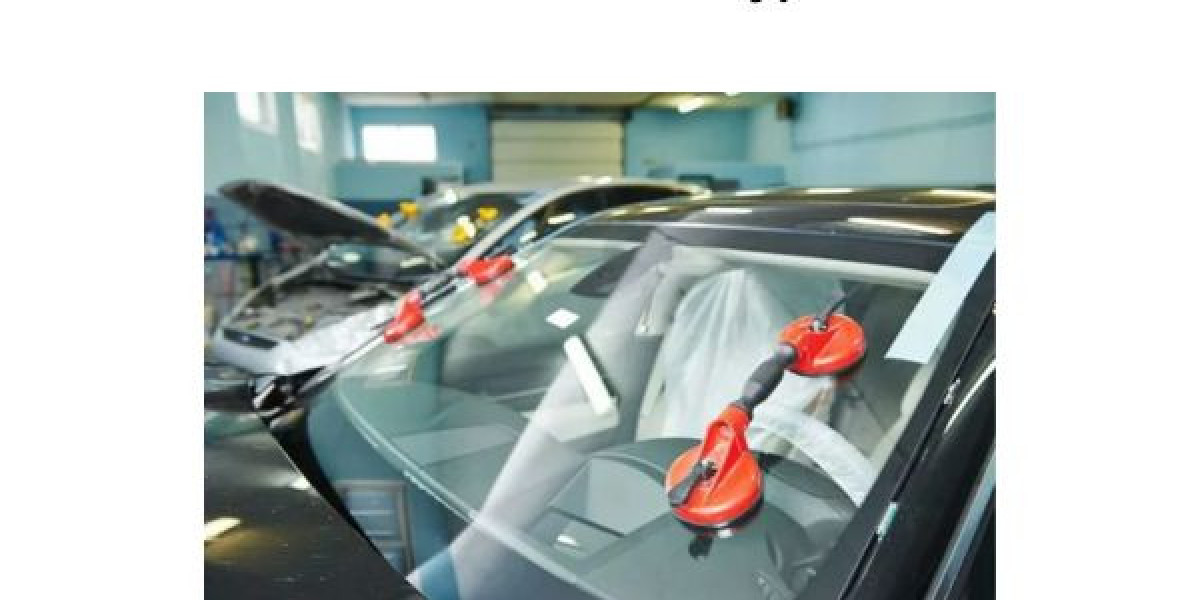
Once the area is clean, a special tool is placed over the damaged spot. This tool helps inject clear resin (a liquid adhesive) into the chip or crack.
The resin is the main material that fills the gap inside the damaged glass and restores its strength. It flows into every small space and bonds the glass layers together.
Step 4: Curing the Resin with UV Light
After the resin is filled, it’s cured using ultraviolet (UV) light. The light hardens the resin quickly, sealing the repair completely. This step ensures that the glass regains its stability and doesn’t spread further.
Step 5: Polishing and Finishing
Once the resin is hardened, the technician scrapes off any extra resin and polishes the surface. This final touch makes the repaired spot smooth and almost invisible. The glass looks clear again, and the windshield becomes strong enough to handle road vibrations.
Why Professional Glass Repair Matters
Safety Comes First
A cracked windshield can block your view and reduce the glass’s ability to protect you in case of an accident. Professional repair restores visibility and safety.
Saves Money and Time
Repairing is much cheaper and faster than replacing the entire glass. Most small chips take less than an hour to fix.
Prevents Bigger Damage
A small crack can quickly spread due to sunlight, pressure, or bumps on the road. Repairing early stops it from becoming a costly replacement.
When You Should Choose Replacement Instead of Repair
Repair works only when the damage is small and not near the driver’s line of sight. Replacement is needed if:
The crack is larger than 6 inches.
The damage reaches the inner glass layer.
There are multiple cracks.
The glass is shattered or broken at the edges.
Replacing the windshield ensures complete safety and proper structure of the car.
Common Myths About Automobile Glass Repair
Myth 1: Small Chips Don’t Need Attention
Even tiny chips can weaken the windshield. They should be repaired quickly before they spread.
Myth 2: Repairs Are Visible
Modern repair tools make the damage almost invisible. After repair, it’s hard to spot where the crack was.
Myth 3: DIY Kits Work the Same as Professionals
DIY kits can give temporary results, but they don’t last long. Professional repair ensures durability, safety, and a proper seal.
Tips to Protect Your Windshield After Repair
Avoid washing your car immediately after repair.
Don’t park in direct sunlight for a few hours.
Drive gently for the next 24 hours.
Keep your distance from trucks and debris on the road.
These small steps help your glass repair last longer.
Conclusion
Automobile glass repair may look simple, but it involves careful work, special tools, and expert skills. From cleaning the crack to filling and curing resin, each step ensures your safety on the road.
If you notice any chip or crack in your car glass, don’t wait for it to spread. Get it checked immediately by professionals.
Mr Glass Qatar offers reliable and quick automobile glass repair services to keep your windshield safe, strong, and clear. Reach out today and drive with confidence.
For more insightful articles related to this topic, feel free to visit aijoining.com