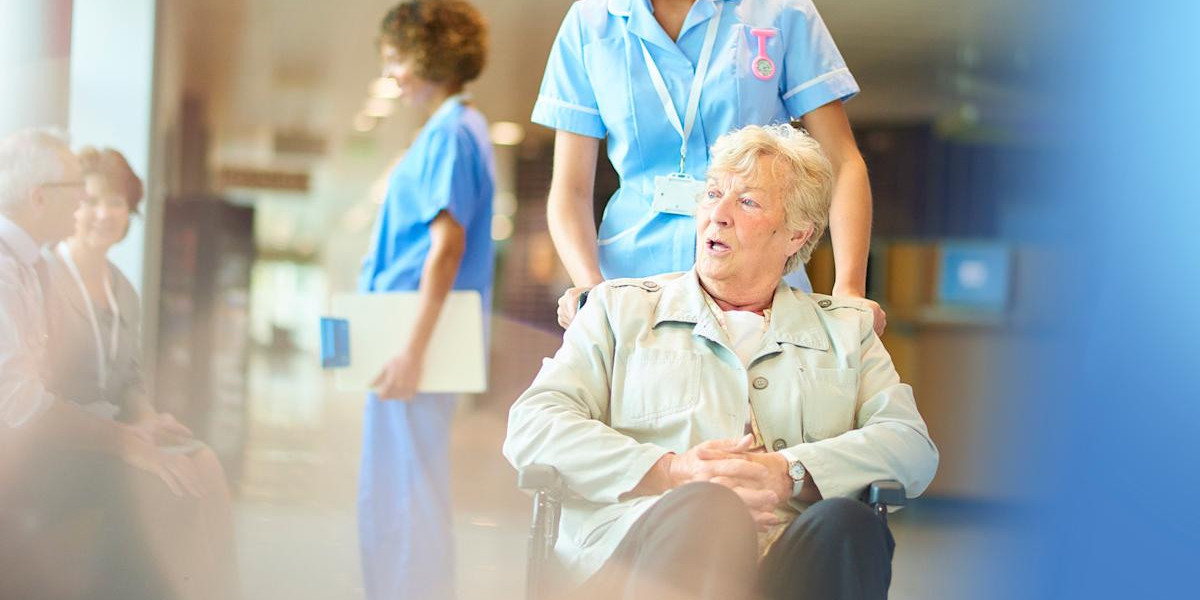

Behind every successful recovery story in Rawalpindi lies one constant—expert post-treatment care. Rawalpindi nursing hospitals have quietly become the backbone of safe, long-term healing for patients who can’t afford to risk complications.
When Hospital Discharge Feels Like the End of Care
Every year, thousands of patients in Rawalpindi are discharged from hospitals after surgeries, injuries, or chronic illness treatment. Yet for many, the real struggle begins at home. Without medical guidance or professional monitoring, recovery can slow down—or even reverse.
Families often try to manage complex care routines themselves: medication schedules, wound cleaning, physiotherapy, diet management, and follow-up appointments. While done with love, these efforts can unintentionally lead to complications. A missed dose, an unsterilized dressing, or unnoticed infection symptoms can quickly turn progress into panic.
Public hospitals, though vital, are often too busy to offer long-term recovery plans. Follow-ups are brief, and access to nurses for ongoing support remains limited. Patients who still require observation are left without a structured care environment once discharged.
This disconnect between hospital treatment and home recovery is one of the most under-discussed healthcare challenges—and the reason nursing hospitals have become essential in modern medical systems.
The Hidden Cost of Unsupervised Recovery
Imagine a middle-aged man recovering from a knee replacement surgery in Satellite Town. His doctor gives post-surgical instructions, but once home, pain management, physical therapy, and movement safety all fall to his family. They’re nervous, unsure, and constantly afraid of doing something wrong.
Two weeks later, his wound shows signs of infection, requiring another hospital admission. The costs rise, recovery delays, and confidence fades.
Stories like this are common. Many families underestimate how much expertise post-operative or long-term recovery truly requires. From stroke rehabilitation to elderly care and diabetic wound management, each case demands professional attention and continuous monitoring.
Unsupervised recovery not only risks the patient’s health but also drains family members emotionally and financially. It highlights a clear gap in the healthcare journey—between hospital discharge and full independence—that general hospitals alone cannot fill.
The Role of Specialized Nursing Hospitals
Over the last decade, a quiet but powerful transformation has taken root. Rawalpindi hospitals have become the city’s bridge between medical treatment and complete recovery. They serve as step-down care centers—where patients receive professional attention, but in a calmer, more personalized environment than a traditional hospital ward.
These facilities focus on what large hospitals often cannot: time, consistency, and tailored recovery. Every patient has a dedicated nursing team that oversees vital signs, wound healing, medication timing, and physiotherapy routines. Nutritionists plan meal schedules suited to recovery goals, while physicians conduct regular rounds to track progress.
Unlike home-based care, nursing hospitals maintain sterile conditions, 24/7 monitoring, and access to emergency equipment if complications arise. This combination of comfort and control significantly improves recovery outcomes—especially for seniors, post-surgical patients, and those living with chronic illnesses.
When Searching for “Nursing Hospitals Near Me” – What to Look For
Typing “nursing hospitals near me” brings up plenty of options, but choosing the right one requires attention to specific factors. A reliable nursing facility in Rawalpindi should demonstrate the following:
Qualified Nursing Staff: Ensure the hospital employs certified nurses trained in post-operative and critical care support.
Round-the-Clock Supervision: Continuous monitoring prevents complications from going unnoticed.
In-House Specialists: Access to physiotherapists, dietitians, and general physicians for integrated care.
Hygienic Environment: Clean, infection-free surroundings are crucial for wound healing and comfort.
Family Coordination: Transparent communication keeps relatives informed and reassured.
Accessibility: Proximity to major hospitals (like Bilal, Maryam Memorial, or CMH) ensures rapid referrals when needed.
These standards separate professional recovery facilities from general care centers—and ensure patient safety remains the top priority.
How a Rawalpindi Nursing Hospital Changed a Recovery Story
To understand the impact, consider the case of Mrs. Khurram, a 67-year-old retired teacher from Chaklala Scheme. After hip replacement surgery, she was discharged from a major city hospital within five days. While her surgery was successful, her family struggled with post-surgical care at home—balancing pain management, physiotherapy, and infection prevention.
A local doctor recommended admission to a nursing hospital in Bahria Town. Within 24 hours, she was transferred to a calm, well-equipped facility with a dedicated nursing team. Nurses monitored her mobility, pain levels, and medication schedule. Physiotherapy sessions were customized to her comfort level.
Within three weeks, her mobility improved dramatically, and she transitioned from a wheelchair to a walker. More importantly, her family could visit daily without the emotional and logistical strain of being full-time caregivers.
Her son later shared, “That place gave my mother her independence back—and gave us peace of mind.”
This story reflects the broader truth: when medical treatment ends, quality nursing care keeps healing alive.
What Sets These Hospitals Apart
The most effective nursing hospitals blend clinical precision with human warmth. In Rawalpindi, that balance is becoming a defining feature of high-quality care.
Their nurses don’t just perform tasks—they form relationships. For elderly or long-term patients, this emotional connection often accelerates healing. Consistent communication helps patients feel seen, not sidelined.
These institutions also serve as training grounds for the next generation of nurses, strengthening Pakistan’s healthcare workforce. Many facilities partner with nursing schools in Rawalpindi and Islamabad to ensure continuous education and upskilling in modern care techniques.
From advanced wound dressing methods to digital health record systems, today’s nursing hospitals reflect a new era of medical professionalism—one where empathy is as essential as expertise.
Technology and Transparency
Modern nursing hospitals are embracing digital transformation. Many now maintain electronic medical records, allowing real-time data sharing between doctors, nurses, and family members.
Some use mobile apps for daily updates, enabling relatives abroad to track a loved one’s progress remotely. Teleconsultations also connect hospital physicians with specialists in Islamabad or Lahore for second opinions, improving decision-making without unnecessary transfers.
Transparency has become another key factor. Families are informed of all care plans, medication changes, and billing details—reducing anxiety and strengthening trust.
This patient-centered model marks a significant cultural shift in Pakistan’s healthcare ecosystem.
The Economic and Social Impact
Skeptics often assume nursing hospitals are a luxury for a few, but that perception is changing fast. Affordable packages for post-surgical care, elderly assistance, and rehabilitation are becoming widely available.
For working families in Rawalpindi, these facilities offer an affordable alternative to 24-hour private attendants—while ensuring professional oversight and medical-grade facilities. The convenience saves not just money, but also emotional energy and time.
Moreover, as the population ages and chronic illnesses rise, the need for dedicated recovery and nursing care will continue to grow. These hospitals are not just a convenience; they’re becoming a public health necessity.
Conclusion
The medical journey doesn’t end when a patient leaves the operating table—it simply enters a new phase. nursing hospitals represent that next step, ensuring recovery is guided, compassionate, and safe.
They combine the best of hospital precision with the warmth of home-like care, allowing patients to regain strength with dignity and families to breathe easier knowing help is always close.
Ubicación del Autor
Farooq-e-Azam Rd, Ali Abad, Rawalpindi, 46000, Pakistan