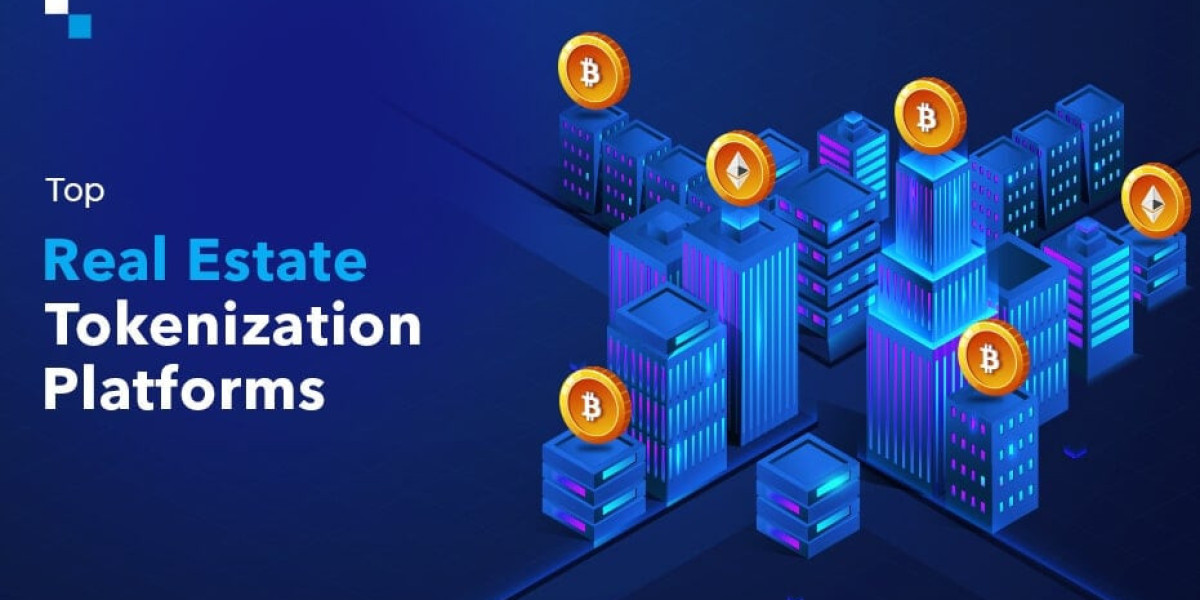

Property investment has long been considered one of the most stable and profitable asset classes. From residential housing to large-scale commercial developments, real estate continues to attract investors seeking long-term returns and capital appreciation. However, the traditional real estate market has always been limited by high entry costs, complex legal processes, and illiquidity. These factors make it difficult for average investors to participate in high-value properties or for owners to quickly access the capital locked in their assets. With the rise of blockchain technology, these barriers are beginning to fall, paving the way for a more inclusive, transparent, and efficient property market.
Understanding the Concept
Real Estate Tokenization is the process of transforming ownership rights in a property into digital tokens that exist securely on a blockchain. Each token represents a fraction of the underlying asset, whether it is a commercial building, residential complex, or land parcel. By purchasing these tokens, investors gain proportional rights to the property’s income or value appreciation. Blockchain serves as the foundation of this innovation, ensuring that ownership records are secure, transparent, and tamper-proof. This system effectively democratizes access to real estate, allowing a broader pool of investors to participate in markets once reserved for high-net-worth individuals and institutions.
How Tokenization Works
The process begins with selecting a property to be tokenized. A legal framework is then created to define the relationship between the real-world asset and its digital representation. This framework ensures that each token corresponds to enforceable ownership rights or financial claims. Smart contracts are implemented on the blockchain to automate processes such as dividend distribution, voting rights, and compliance checks. Once the tokens are issued, they can be traded on digital platforms, providing a level of liquidity that the real estate market has historically lacked. Transactions that might take weeks or months in traditional systems can now be completed in minutes, with greater transparency and reduced costs.
Benefits for Investors
For investors, the advantages of tokenization are significant. Liquidity is one of the most important benefits, as it allows investors to buy and sell fractions of property holdings without needing to commit to entire buildings or projects. Fractional ownership lowers the entry barrier, making it possible for individuals with modest capital to access premium real estate markets. Transparency is enhanced through blockchain, which records every transaction permanently and provides a clear, verifiable record of ownership. Global accessibility also expands opportunities, enabling investors from anywhere in the world to participate in tokenized real estate projects without facing the complications of cross-border property transactions.
Advantages for Property Owners and Developers
Property owners and developers stand to gain equally from tokenization. By converting properties into digital tokens, they can unlock liquidity without needing to sell the entire asset. This provides flexibility in managing cash flow and expanding investment portfolios. Developers can also raise capital more efficiently by reaching a broader and more diverse investor base, reducing reliance on traditional financing methods such as bank loans or institutional investors. The reduced need for intermediaries like brokers and clearinghouses translates into lower transaction costs and faster settlement times, creating a more efficient ecosystem for all parties involved.
The Role of Blockchain
Blockchain is the critical infrastructure that makes tokenization possible. Its decentralized nature ensures that ownership records are not controlled by a single authority, fostering trust among participants. Transparency is guaranteed, as all transactions are recorded on an immutable ledger accessible to anyone. Security is significantly enhanced, reducing the risks of fraud or disputes over ownership. Smart contracts further streamline the process by automating tasks such as rent distribution or regulatory compliance. By integrating with decentralized finance platforms, tokenized real estate can even be used as collateral or incorporated into innovative financial products, further expanding its utility.
Real-World Applications
The applications of tokenization are already visible in several markets. High-value residential and commercial properties are being fractionalized into tokens, enabling global investors to share ownership and returns. Real estate investment firms are using tokenization to attract capital from a wider audience while offering more flexible exit options. Vacation homes and co-living spaces are being digitized, allowing for shared ownership models that combine personal use with investment returns. These practical applications highlight how tokenization is transforming real estate from a traditionally exclusive market into one that is more dynamic, inclusive, and adaptable.
Challenges and Limitations
Despite its promise, tokenization faces several challenges. Regulatory uncertainty is the most significant, as governments and financial regulators are still defining how tokenized assets should be classified and governed. Legal enforceability must also be addressed, ensuring that ownership rights associated with tokens are recognized within existing property laws. Security risks, particularly those related to smart contract vulnerabilities or hacking, are another concern. Adoption is limited by knowledge gaps and a lack of familiarity with blockchain technology, leading to hesitation among traditional investors. Addressing these barriers is essential for tokenization to achieve mainstream acceptance.
The Future of Tokenized Real Estate
The future of tokenized real estate looks promising as governments, institutions, and innovators move toward broader adoption. Blockchain-based property registries are being explored by some countries, potentially creating seamless integration between tokenized ownership and official legal systems. Financial institutions are piloting tokenized real estate funds and investment products, indicating a growing shift from experimentation to mainstream acceptance. As blockchain technology becomes more scalable and interoperable, global participation in tokenized real estate markets will expand significantly. Education and awareness will also play key roles in driving adoption, helping more investors understand and trust this new model.
Conclusion
Tokenization is revolutionizing the way real estate is owned, traded, and managed. By combining blockchain technology with property assets, it introduces liquidity, accessibility, and transparency that were once unimaginable in this sector. For investors, tokenization provides new opportunities for diversification and wealth creation. For property owners and developers, it opens doors to efficient capital-raising and improved asset management. While challenges remain in terms of regulation, law, and technology, the momentum is clear. Real estate tokenization represents not just a technological innovation but a fundamental shift in how the global property market will operate in the future.