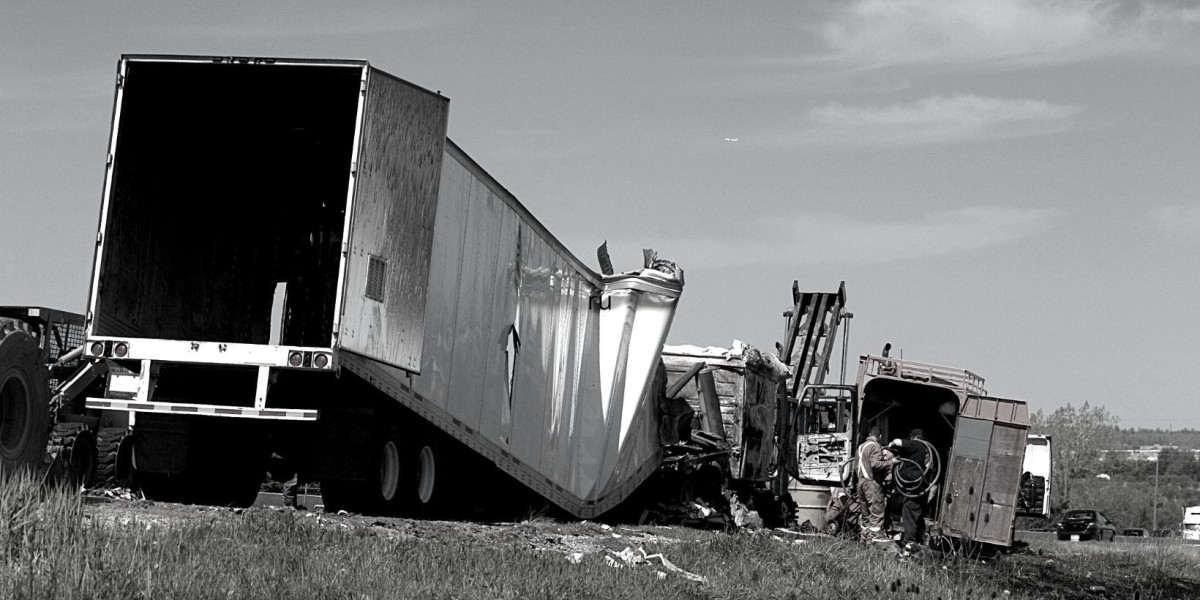

An underride crash occurs when a smaller vehicle, such as a car, slides underneath the rear or side of a larger truck or trailer during a collision. Because of the size and height difference, the upper part of the smaller vehicle can be crushed, often resulting in catastrophic injuries or fatalities. These accidents are among the most severe types of truck collisions on the road.
Businesses that operate commercial fleets or partner with logistics providers should be aware of the risks associated with underride crashes. Understanding how these accidents happen and how to prevent them can save lives and reduce liability.
Why Underride Crashes Are So Dangerous
Unlike typical vehicle collisions, underride crashes often bypass the car’s built-in safety systems. Airbags and crumple zones are designed to protect passengers during frontal or rear end impacts, but when a car slides under a trailer, these systems fail to engage effectively.
The results are often devastating:
- Severe head or neck injuries
- Traumatic brain injuries
- Fatal outcomes due to roof crushing or intrusion
- Damage to essential safety systems in smaller vehicles
Truck drivers and businesses that manage fleets have a moral and legal responsibility to minimize the risk of such accidents.
Common Causes of Underride Accidents
While each accident is unique, several common factors contribute to underride crashes:
- Poor visibility or inadequate reflective markings on trailers
- Broken or dim rear lights
- Lack of underride guards or faulty equipment
- Sudden braking or lane changes by trucks
- Distracted or speeding drivers in smaller vehicles
Both trucking companies and passenger car drivers play a role in preventing these incidents. However, businesses operating large vehicles must take the lead by ensuring their fleets meet modern safety standards.
The Role of Underride Guards
Underride guards are metal barriers attached to the rear or sides of large trucks designed to prevent smaller vehicles from sliding underneath in a collision. When installed and maintained properly, these guards can significantly reduce the severity of an underride crash.
However, not all guards are created equal. Some older models fail to meet federal safety requirements, and others may not withstand the force of a high-speed collision. Fleet operators should ensure that their vehicles are equipped with high-quality guards and inspected regularly for wear and tear.
Preventive Measures for Businesses
Businesses can take several proactive steps to reduce the risk of underride crashes and ensure safer road operations. Key preventive measures include:
- Regular maintenance: Check that all lights, reflective tape, and guards are in good working condition.
- Driver training: Educate drivers on safe braking distances, mirror checks, and avoiding sudden stops.
- Use of technology: Equip vehicles with collision avoidance systems, cameras, and blind spot sensors.
- Fleet safety audits: Schedule periodic inspections to identify potential hazards.
These steps not only prevent accidents but also demonstrate a company’s commitment to safety and responsibility.
Legal and Financial Implications
When an underride crash occurs, the aftermath can be complex. Victims and their families may pursue claims against trucking companies, manufacturers, or other responsible parties. Legal cases often focus on whether proper safety equipment, such as underride guards, was installed and maintained correctly.
For businesses, the financial impact can be severe from costly lawsuits and insurance claims to damaged public reputation. That’s why many companies are investing in stronger safety programs and compliance systems to avoid these risks altogether.
What Drivers Should Know
Truck drivers and commercial vehicle operators are on the front lines of road safety. They can make a huge difference by practicing alert and defensive driving. Drivers should:
- Keep a safe distance from other vehicles
- Use hazard lights when slowing down or stopping
- Conduct pre-trip inspections for lighting and guard integrity
- Avoid driving in poor weather or low-visibility conditions when possible
Small actions like these can prevent major tragedies and build a culture of safety across the transportation industry.
Innovation and the Future of Road Safety
The transportation industry is evolving with new technologies designed to prevent underride accidents. Advanced driver-assistance systems (ADAS), automatic emergency braking (AEB), and 360-degree cameras are becoming standard in many fleets. Meanwhile, regulatory agencies continue to push for stricter underride guard requirements nationwide.
Businesses that adopt these innovations not only reduce accident risks but also strengthen their brand reputation as safety leaders. As the industry progresses, collaboration between vehicle manufacturers, fleet operators, and policymakers will be essential in making underride crashes a thing of the past.
Final Thoughts
An Underride Crash is one of the most devastating accidents that can occur on the road, but it’s also one of the most preventable. By prioritizing regular maintenance, adopting safety technologies, and ensuring compliance with guard regulations, businesses can protect their employees, other motorists, and their bottom line.
Safety isn’t just a regulatory requirement it’s a reflection of a company’s values. When businesses take proactive steps to prevent underride crashes, they not only save lives but also create a safer future for everyone who shares the road.
Ubicación del Autor
Los Ángeles, California, Estados Unidos