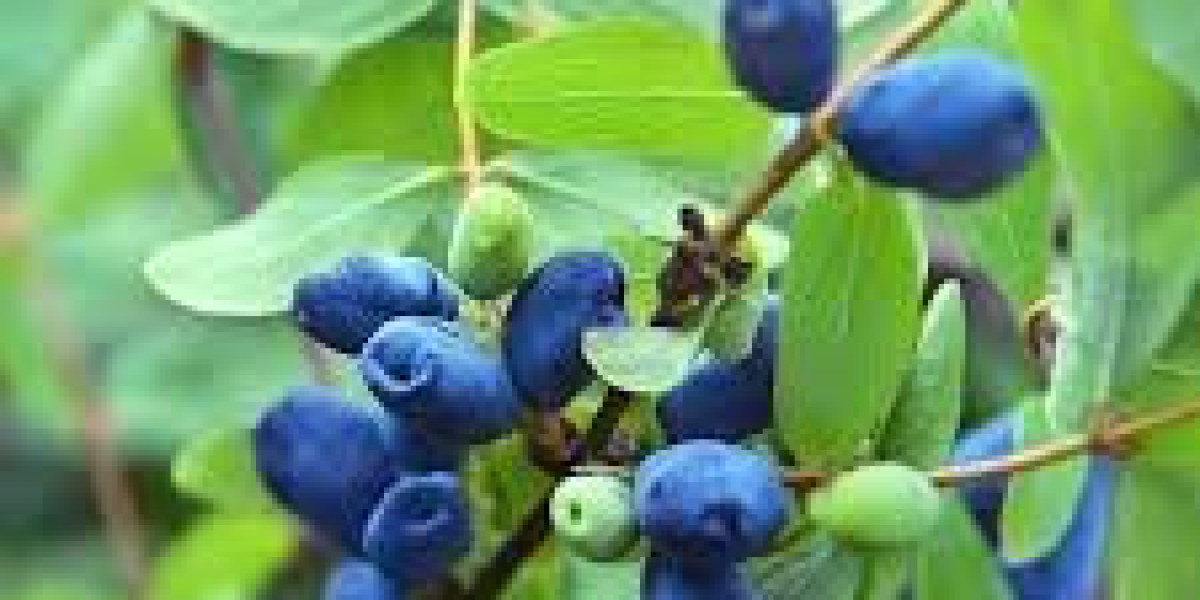

Honeyberry plants, also known as Haskap berries, are quickly becoming one of the most sought-after fruiting shrubs in home gardens. Their rising popularity comes from their unique flavor, impressive hardiness, and early fruiting season. If you’re looking to add something delicious, nutritious, and low-maintenance to your garden, honeyberries are an excellent choice.
### **What Makes Honeyberry Plants Special?**
Honeyberries are elongated, blue-skinned fruits with a flavor often described as a mix of blueberries, raspberries, and blackberries with a hint of tartness. They belong to the *Lonicera caerulea* species and thrive in cooler climates, making them ideal for gardeners living in regions where other berries struggle.
One of their standout traits is their cold tolerance. Honeyberry plants can withstand extremely low temperatures—sometimes as low as –40°C—making them perfect for zones with harsh winters. Unlike many fruiting shrubs that take several years before producing a meaningful harvest, honeyberries begin fruiting early, often within the first or second year of planting.
### **Easy to Grow and Maintain**
Honeyberry plants are popular not just for their flavor but also for their low-maintenance nature. They require minimal pruning, adapt to various soil types, and grow well in both full sun and partial shade. Their root systems are strong and drought-tolerant once established, making them suitable for beginner gardeners or those who prefer plants that don’t require constant attention.
However, for best results, they should be planted in well-draining soil with adequate moisture. Mulching helps maintain soil humidity and keeps roots cool during warmer months.
### **Pollination and Varieties**
One key thing to know about honeyberry plants is that they require cross-pollination. This means you’ll need to plant at least two different varieties to enjoy a proper fruit set. Popular cultivars include ‘Aurora,’ ‘Borealis,’ ‘Indigo Gem,’ and ‘Tundra.’ Planting two or more varieties close together ensures good pollination and increases overall yields.
### **Health Benefits of Honeyberries**
Honeyberries are highly nutritious. They are rich in antioxidants, vitamin C, and fiber, making them excellent for boosting immunity and supporting digestive health. Their antioxidant levels are even higher than blueberries, making them one of the most potent superfruits available today.
### **Where to Buy Honeyberry Plants**
When shopping for honeyberry plants, it’s essential to choose a reputable supplier to guarantee strong, healthy shrubs. For gardeners seeking reliable and high-quality varieties, **superiorhydrola.com** offers an excellent selection of honeyberry plants suitable for different climate zones and garden types.
### **Final Thoughts**
Whether you’re an experienced gardener or just starting out, honeyberry plants are a rewarding addition to your garden. Their unique taste, strong cold tolerance, and easy care requirements make them ideal for anyone looking to grow their own fruit. With proper pollination and minimal maintenance, you’ll enjoy delicious, nutritious berries year after year.
Honeyberries truly stand out as one of the most versatile and dependable fruiting plants you can grow—and your garden will thank you for it.