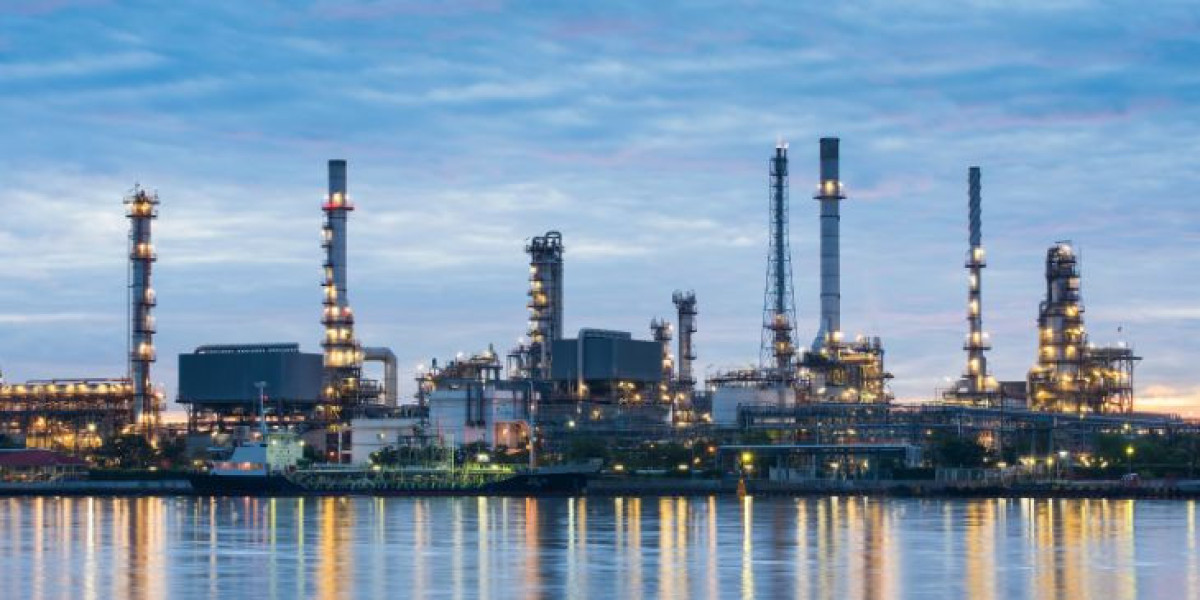

The Nigeria oil and gas market remains a cornerstone of the country’s economy, and yet it’s undergoing a period of significant transformation. With deep‑sea reserves, a massive gas programme and regulatory reforms, the sector offers both opportunities and complexities. If you’re working in exploration, infrastructure, downstream operations or market entry, this market deserves a sharp, up‑to‑date understanding.
What the Nigeria Oil and Gas Market Covers
When referring to the oil and gas industry in Nigeria, we’re looking at the full value‑chain: upstream exploration & production (E&P), midstream transportation and storage, and downstream refining and distribution. The market also spans both crude oil and natural gas, onshore and offshore operations, and ties in with associated sectors like LNG, pipelines and inland processing. In short, the oil and gas market in Nigeria is vast and multi‑layered.
Drivers of Market Growth
Leveraging Huge Hydrocarbon Reserves
Nigeria holds substantial proven reserves of crude oil and natural gas, making it one of Africa’s leading hydrocarbon producers. These reserves underpin the country’s potential for growth in the upstream sector and in gas‑based industrial development.
The government’s “Decade of Gas” initiative aims to tap Nigeria’s gas potential and accelerate domestic utilisation.
Natural gas is increasingly being treated as a growth engine for power generation, industry and export.
Regulatory Reforms and Infrastructure Expansion
Recent regulatory developments are reshaping how the oil and gas market in Nigeria operates. The enactment of the Petroleum Industry Act (PIA) and changes in the state oil company’s structure are meant to improve transparency and attract investment. At the same time, major infrastructure feats—like new refineries, pipelines and LNG train expansions—are boosting capacity and modernising the sector.
These reforms are creating a more favourable environment for international and domestic investors alike.
Growing Demand for Gas and Downstream Integration
While oil remains central, natural gas is rising in importance in Nigeria’s energy mix. Industrial users, power generation and exportable LNG capacity are all key. Downstream and midstream segments also hold growth potential in terms of refining crude domestically rather than exporting raw resources.
By integrating downstream‑processing and infrastructure, the market is moving toward greater value capture within the country.
Market Segments and Key Areas of Focus
Upstream: Onshore vs Offshore
On‑shore production has traditionally dominated, but faces challenges including theft, vandalism and ageing infrastructure.
Off‑shore production and deep‑water fields are increasingly targeted for expansion due to lower theft risk and higher yields.
Understanding the on‑shore/off‑shore split is essential when evaluating opportunities in Nigeria’s oil and gas market.
Midstream & Downstream: Transport, Storage and Refining
The midstream segment encompasses pipelines, terminals, LNG facilities and storage infrastructure. The downstream segment covers refining, petrochemicals, fuel distribution and products for domestic consumption and export.
Major recent projects in Nigeria are focused on reducing fuel imports and increasing domestic refining, which is reshaping the downstream landscape.
Domestic vs Export Markets
While Nigeria exports a large share of its crude oil and LNG, a shift toward serving domestic demand for refined products and industrial gas use is underway. Companies and investors should evaluate both export opportunities and domestic market dynamics—such as consumption growth, local content policies and infrastructure improvements.
Emerging Trends in the Nigeria Oil and Gas Market
Strong foreign investment interest: Major international oil companies and service firms are re‑engaging in Nigeria, particularly in gas and deeper offshore plays.
Gas‑to‑value projects: The focus on utilising Nigeria’s gas reserves for industrial clusters, electricity and petrochemicals is gaining traction.
Local content and indigenous capacity: Nigeria is increasingly emphasising local participation, outsourcing, manpower development and Nigerian ownership inside the oil and gas market.
Security and anti‑theft initiatives: Measures to reduce oil theft, pipeline sabotage and crude theft are being stepped up, which improves operational stability and investor confidence.
Energy transition and diversifying the mix: While oil and gas remain core, there's growing interest in cleaner gas‑based solutions, carbon management and compliance with global sustainability standards.
Challenges to Navigate
Pipeline vandalism and production losses: Theft and sabotage continue to impose significant costs and revenue losses in Nigeria’s upstream segment.
Refining and import reliance: Despite being a major producer of crude, Nigeria has historically relied on imports for refined petroleum products—a structural issue in the downstream market.
Regulatory complexity and policy uncertainty: Even with reforms in place, execution, enforcement and local rules sometimes create delays or ambiguity.
Infrastructure and logistics: Moving crude or gas across the terrain, ensuring transport, storage and processing remain consistent and efficient, remains a challenge.
Investors, operators and service providers in the Nigeria oil and gas market must build risk‑management into their strategies.
Strategic Insights for Stakeholders
If you’re operating or planning to enter the Nigeria oil and gas market:
Focus on gas‑based opportunities: With abundant reserves and rising domestic use, gas is becoming a growth engine in Nigeria.
Align with local‑content and indigenous‑participation policies: Local partnerships, community engagement and Nigerian workforce development can unlock smoother operations.
Prioritise asset integrity and security: Projects must factor in risk from theft, vandalism and logistics disruption.
Pursue downstream integration: Moves into refining, storage, and domestic product supply bring value beyond crude export.
Stay agile on regulations: Monitor reforms under the PIA, new licensing rounds, and legislative adjustments that impact the operating environment.
FAQ
What is driving growth in the Nigeria oil and gas market?
Growth is driven by Nigeria’s large oil and gas reserves, investment in infrastructure (refineries, terminals, pipelines), regulatory reforms like the PIA, and the expanding role of natural gas in domestic and export markets.
Which segments offer the strongest opportunities in Nigeria’s oil and gas industry?
Gas‑to‑value projects, deep‑water offshore exploration, midstream infrastructure (pipelines and LNG), and downstream refining/processing are among the most attractive segments right now.
What are the main challenges when entering the Nigeria oil and gas market?
Key challenges include pipeline theft and sabotage, logistical and infrastructure hurdles, reliance on imported refined products, and the need to manage regulatory complexity and local‑content requirements.
How important is gas compared to oil in Nigeria’s market?
Gas is increasingly vital. With Nigeria’s large gas reserves and policies aimed at increasing domestic usage and industrial value‑chain development, the gas segment is rapidly gaining strategic importance.
Ubicación del Autor
02 st shriden