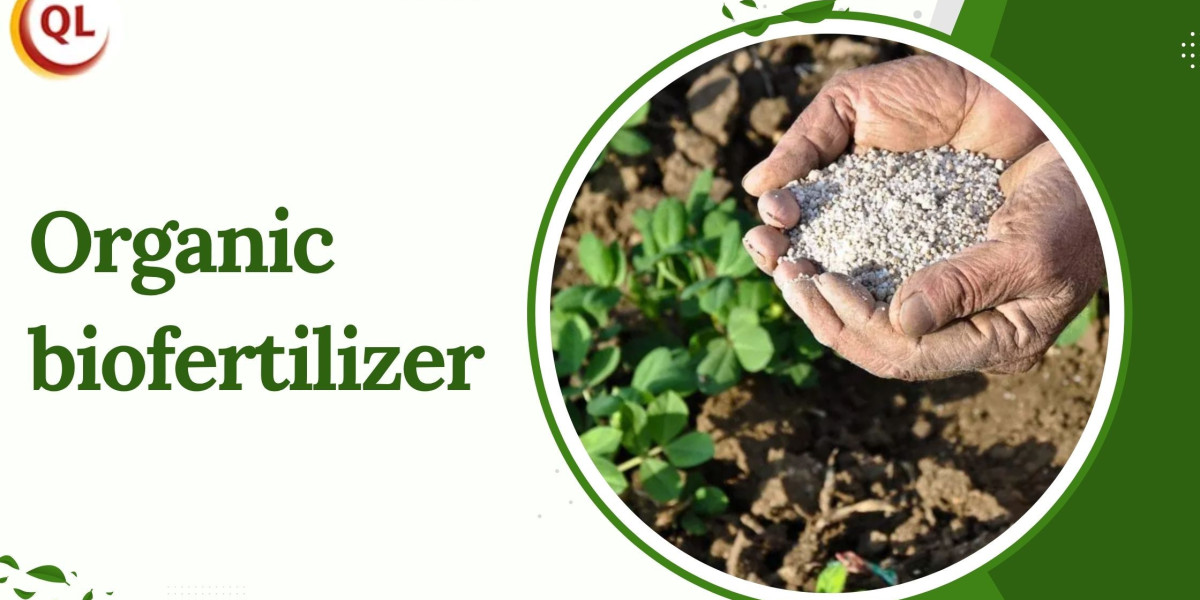

Agriculture is undergoing a major transformation as farmers around the world search for alternatives to chemical-based farming that has led to soil degradation, reduced crop quality, and environmental pollution. As global demand for healthier food and eco-friendly farming increases, Organic Biofertilizer has emerged as one of the most powerful solutions for sustainable agriculture. Unlike chemical fertilizers that offer quick but temporary results, biofertilizers improve soil fertility naturally by enhancing microbial activity, increasing nutrient availability, and restoring the natural balance of the soil ecosystem.
At QL Farms , we are committed to producing high-quality natural fertilizers and supporting farmers with sustainable agricultural practices. As a trusted Natural Fertilizer Supplier , we aim to provide organic solutions that increase productivity while protecting soil health for future generations. In this article, we explore why organic biofertilizers are becoming the future of farming and why partnering with a reliable supplier is essential.
What Is Organic Biofertilizer?
Organic biofertilizer is a natural product containing beneficial microbes such as bacteria, fungi, and actinomycetes. These microorganisms enhance plant growth by increasing nutrient availability in the soil and strengthening root development. Instead of providing nutrients in chemical form, biofertilizers help convert existing soil nutrients into forms that plants can absorb easily.
How Organic Biofertilizer Works
Fixes nitrogen from the atmosphere into the soil
Solubilizes phosphorus and potassium, making them available to plants
Improves microbiological activity and biodiversity in soil
Improves plant root systems and nutrient uptake
By supporting natural biological processes, biofertilizers allow soil to remain fertile and productive year after year.
Why Organic Biofertilizer Is the Future of Sustainable Farming
1. Restores Soil Health Naturally
Chemical fertilizers may increase yield initially, but long-term use damages natural soil structure and reduces essential microorganisms. Organic biofertilizers rebuild soil fertility by increasing organic matter and boosting biological activity.
Benefits include:
Improved soil texture and aeration
Increased moisture retention
Stronger root development
Reduced soil erosion and compaction
Healthy soil produces healthy crops—and sustainable farming starts with strong soil.
2.Environmentally Safe and Pollution-Free
Chemical fertilizers contribute significantly to groundwater contamination, greenhouse gas emissions, and destruction of local ecosystems. Organic biofertilizers eliminate these risks.
Eco-friendly advantages:
Zero chemical residue
Reduced carbon footprint
No harmful runoff into rivers and lakes
Improves soil's ability to store carbon
Biofertilizers support green farming that protects the environment instead of damaging it.
3. Improves Crop Nutrient Quality and Yield
Plants grown using biofertilizers receive slow-release nutrients, enabling steady growth and improving crop quality. Instead of chemical feeding, they promote natural nutrient cycling.
Farmers benefit from:
Higher yields
Better taste and nutrient content in produce
Increased resistance to pests, drought, and diseases
This leads to healthier crops and better profits for farmers.
4. Reduces Dependency on Chemical Fertilizers
Overuse of synthetic fertilizers creates soil addiction—crops begin to rely heavily on chemicals to grow. Biofertilizers allow farmers to gradually reduce chemical use without affecting production.
? This results in lower long-term farming costs and a more self-sustaining agricultural system.
5. Cost-Effective for Farmers
Biofertilizer improves soil quality continuously, reducing the need for expensive chemical amendments. Because it boosts natural nutrient cycling, it also reduces fertilizer application frequency.
Farmers save money on:
Soil treatment expenses
Pesticide and herbicide reduction
Water usage due to better moisture retention
In the long term, organic solutions are far cheaper than chemical fertilizers.
6.Supports Organic Food Production
With consumers demanding chemical-free produce, farmers must adopt organic farming methods to stay competitive. Biofertilizers are essential for crop certification and sustainable branding.
Using Organic Biofertilizer helps farmers meet market demand and secure higher selling prices.
The Role of a Trusted Natural Fertilizer Supplier
To fully benefit from biofertilizers, farmers must choose high-quality and scientifically processed products. Poor quality microbial fertilizers may contain low microbial counts, contaminants, or unstable formulations.
A reliable Natural Fertilizer Supplier ensures:
High-density beneficial microbial content
Lab-tested product quality
Safe and hygienic processing
Consistency in every batch
Application guidance and technical support
At QL Farms , we provide premium organic fertilizers that are designed for real farm performance.
Why Choose QL Farms for Organic Biofertilizer
As a leading supplier of natural and organic fertilizer solutions, QL Farms is committed to supporting farmers, improving soil health, and promoting sustainable agriculture.
What Makes QL Farms a Trusted Partner
? Scientifically formulated organic biofertilizer
? 100% natural, chemical-free, and eco-friendly
? Improves soil microbial life and nutrient availability
? Suitable for vegetables, fruits, rice, grains, and plantation crops
? Bulk and wholesale supply options available
? Expert support on usage and application techniques
We work closely with farmers to help them transition from chemical dependency to natural soil enhancement.
Final Thoughts
As the world moves toward healthier and more sustainable food systems, Organic Biofertilizer is becoming the key to the future of agriculture. It helps farmers increase yield naturally, rebuild soil health, reduce environmental damage, and produce safer, higher-quality food.
Switching to natural farming begins with choosing the right fertilizer partner. With a trusted Natural Fertilizer Supplier like QL Farms , farmers can achieve long-term productivity while protecting the earth for future generations.