
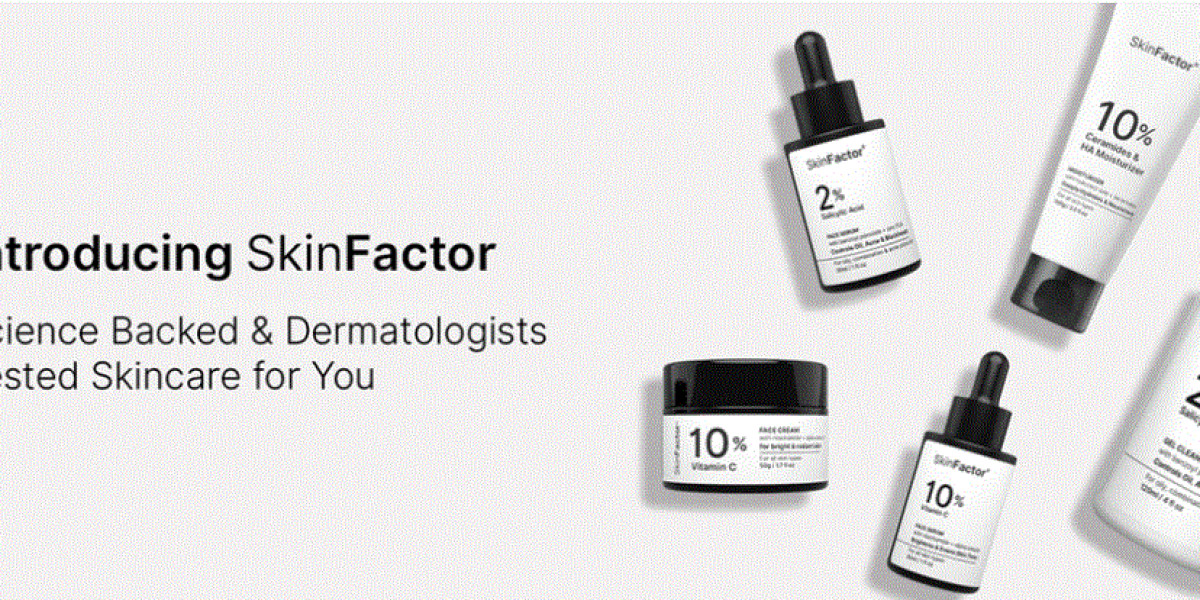

How to Use Salicylic Acid Serum Safely and Effectively
Salicylic acid serum for oily skin has become one of the most recommended skincare products for oily, acne-prone, and congested skin — and for good reason. Its oil-soluble nature, ability to exfoliate deep inside pores, and anti-inflammatory benefits make it a powerful treatment for breakouts, blackheads, and rough texture. But like any active ingredient, you get the best results when you use it correctly.
Using salicylic acid serum the wrong way can lead to dryness, redness, and irritation. Using it the right way can completely transform your skin — giving you clearer pores, fewer breakouts, smoother texture, and a more balanced complexion. This guide breaks down exactly how to use salicylic acid serum safely and effectively, no matter your skin type.
1. Understand What Salicylic Acid Actually Does
Before applying any active ingredient, it’s important to know how it works. Salicylic acid is a beta hydroxy acid (BHA). Because it’s oil-soluble, it can:
Penetrate into the pores and dissolve the buildup of sebum and dead skin
Exfoliate the surface layer of skin, improving texture
Reduce inflammation, which helps calm active acne
Unclog blackheads and whiteheads
Keep pores clean over time, preventing future breakouts
When used properly, it makes the skin clearer, smoother, and less oily — but too much too quickly can irritate.
2. Start Slowly (Your Skin Needs Time to Adjust)
One of the most common mistakes is jumping into daily use from day one.
Even though salicylic acid is effective, it’s still an exfoliating acid. Beginners should take it slow:
Week 1: Use it 2–3 times a week
Week 2–3: Increase to every other day if there's no irritation
Week 4 and onwards: You can use it daily if your skin tolerates it
If you ever feel stinging, dryness, or redness, pull back to 2–3 times per week.
Your skin adjusts over time — forcing it too quickly only leads to irritation.
3. Use It on Clean, Dry Skin
This step matters more than people realize.
After cleansing, wait until your face is completely dry (at least 5–10 minutes). Applying salicylic acid on damp skin increases penetration, which can lead to irritation or over-exfoliation.
Once your skin is dry:
Apply 3–5 drops of serum
Spread it evenly across your face
Avoid the immediate eye area and corners of the nose
You do not need a thick layer — the product works even in small amounts.
4. Follow Up With a Moisturizer
Salicylic acid can be drying, so pairing it with the right moisturizer is key to keeping your skin barrier healthy.
After your serum absorbs:
Use a lightweight gel moisturizer for oily/combination skin
Use a cream-based moisturizer for normal/dry skin
Look for barrier-supporting ingredients like ceramides, hyaluronic acid, niacinamide, or glycerin
A strong barrier helps your skin tolerate salicylic acid without becoming irritated.
5. Never Skip Sunscreen
Salicylic acid increases sun sensitivity by bringing fresh skin cells to the surface. If you don’t protect your skin, you encourage:
Pigmentation
Sunburn
Premature aging
Uneven skin tone
Use SPF 30 or higher every morning, especially if you use salicylic acid at night.
Think of salicylic acid and sunscreen as a duo — the serum clears your skin, and SPF protects the results.
6. Don’t Mix It With Certain Ingredients (Unless You’re Experienced)
Salicylic acid plays well with some ingredients, but not with all. To prevent irritation, avoid layering it with:
❌ Retinol or tretinoin (same routine)
❌ Glycolic or lactic acid
❌ Vitamin C (L-ascorbic acid)
❌ Benzoyl peroxide
These combinations can be powerful but are also very harsh together for most people.
Safe combinations include:
✔ Niacinamide
✔ Hyaluronic acid
✔ Ceramides
✔ Peptides
If you want to use stronger ingredients, alternate nights instead of layering.
7. Spot Treatment vs. Full-Face Application
You don’t always have to apply salicylic acid serum all over your face.
For acne-prone or oily skin: full-face application helps prevent breakouts
For combination skin: apply mainly to the T-zone (forehead, nose, chin)
For dry or sensitive skin: spot-treat only active breakouts or clogged areas
There’s no rule that says every product must go all over the face — tailor it to your skin’s needs.
8. Know When to Use It — Morning or Night?
Both times can work, but many people prefer nighttime use because:
Skin repairs itself at night
There’s no risk of sun exposure right after applying
It pairs well with nighttime moisturizers
If you use it in the morning, just make sure you follow with sunscreen.
9. What Results to Expect (and When)
Salicylic acid is effective, but it isn’t instant. Here’s a realistic timeline:
After 1 week:
Smoother texture
Less oiliness
After 2–4 weeks:
Fewer breakouts
Clearer pores
Reduction in blackheads
After 8–12 weeks:
Noticeably balanced skin
Fewer cystic breakouts
Long-term clarity and even texture
Consistency matters more than quantity — slow and steady wins this race.
10. Signs You’re Overusing It (and What to Do)
If you notice any of these signs, reduce usage immediately:
Tightness
Redness
Peeling
Burning sensation
Increased breakouts from irritation
How to fix it:
Take a break for 3–5 days
Use a gentle cleanser and moisturizer
Reintroduce the serum only 2 times a week
A healthy skin barrier is the foundation for any product to work.
Final Thoughts
Salicylic acid serum is one of the most reliable, science-backed solutions for acne, clogged pores, blackheads, and textured skin. But the secret to getting real results isn’t using the strongest formula or applying it every day — it’s using it correctly.
Start slow. Keep your routine simple. Moisturize well. Protect your skin with sunscreen. Pay attention to how your skin responds.
If you follow these steps, salicylic acid serum can become a long-term game-changer in your routine — giving you clearer, smoother, and healthier skin that stays balanced all year round.