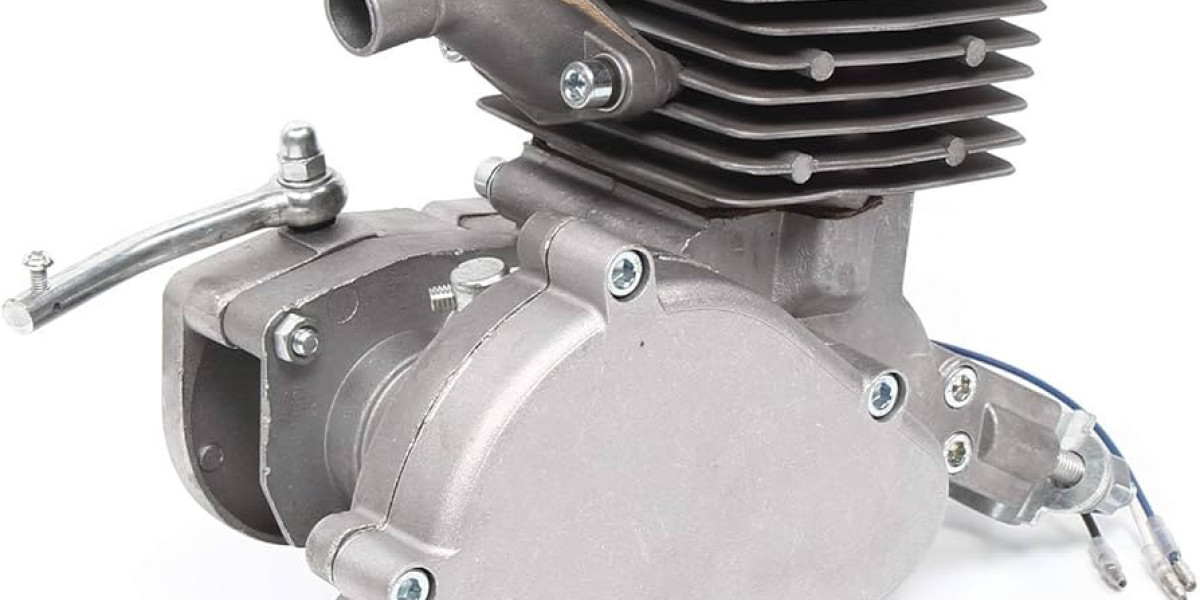

Mixing 2-stroke fuel doesn't have to be confusing. Whether you're running a chainsaw, trimmer, leaf blower, dirt bike, or any small 2-stroke machine, getting the oil ratio right is essential. Using the correct fuel mix helps your engine run smoothly, prevents damage, and ensures long-lasting performance. In this guide, you'll learn how to mix 2-stroke fuel properly, how to read mix charts, and what the most common ratios like 40:1, 24:1, and even 20:1 really means.
Why 2-Stroke Engines Need a Fuel Mix
Unlike 4-stroke engines, 2-stroke engines don't have a separate oil reservoir for lubrication. Instead, oil is mixed directly with petrol. This oil keeps internal components like the piston and cylinder properly lubricated and protected from overheating or wear.
Using the wrong mix can cause serious issues:
Too little oil = engine damage, overheating, scoring
Too much oil = smoke, power loss, fouled spark plug
This is why understanding your fuel-to-oil ratio is important.
What does a Fuel Ratio mean?
A ratio like 40:1, 24:1, or 20:1 simply tells you how much fuel is mixed with how much oil.
40:1 = 40 parts fuel, 1 part oil
24:1 = 24 parts fuel, 1 part oil
20:1 = 20 parts fuel, 1 part oil
The lower the first number, the more oil the mixture contains. Older or high-performance engines often require richer oil mixtures like 24:1 or 20:1, while most modern tools use something around 40:1 or 50:1.
Always check your machine's manual to confirm the correct mix.
40:1 Fuel Mix Chart
A 40:1 fuel mix chart is one of the most widely used for modern 2-stroke tools. This mix offers a good balance of lubrication and clean performance.
Here's a quick 40:1 fuel mix chart:
| Fuel (Petrol) | Oil Required |
|---|---|
| 1 litre | 25 ml |
| 2 litres | 50 ml |
| 5 litres | 125 ml |
| 10 litres | 250 ml |
This ratio is common for chainsaws, trimmers, blowers, and small 2-stroke engines that specify 40:1.
24:1 Fuel Mix Chart
A 24:1 ratio is richer in oil and used in certain older engines, classic motorcycles, or machines that need extra lubrication.
Here's a simple 24:1 fuel mix chart :
| Fuel (Petrol) | Oil Required |
|---|---|
| 1 litre | 42 ml |
| 2 litres | 84 ml |
| 5 litres | 210 ml |
| 10 litres | 420 ml |
If your equipment calls for 24:1, don't switch to a thinner ratio unless your manufacturer allows it.
20:1 Fuel Mix Chart
A 20:1 fuel mix contains even more oil and is typically used for old-school engines, break-in periods, or high-load machines requiring maximum lubrication.
20:1 fuel mix chart:
| Fuel (Petrol) | Oil Required |
|---|---|
| 1 litre | 50 ml |
| 2 litres | 100 ml |
| 5 litres | 250 ml |
| 10 litres | 500 ml |
This ratio is the richest among the common mixes and should only be used when specified by your engine manufacturer.
How to Mix 2-Stroke Fuel Properly
Mixing fuel is simple if you follow the right steps. Here's the easiest method:
Step 1: Use Fresh, Clean Petrol
Stale petrol can reduce power and harm your engine. Always use petrol that is no older than 30 days.
Step 2: Choose a High-Quality 2-Stroke Oil
Only use oil that says “2-stroke” or “2T oil” on the bottle. Avoid car engine oil or 4-stroke oil.
Step 3: Measure Oil Accurately
Use a measuring cup or a bottle with markings. Precision matters.
Step 4: Add Oil to the Fuel Can First
Adding oil first helps it mix evenly.
Step 5: Pour Petrol and Shake Well
After adding the petrol, close the cap tightly and shake the container for 10–15 seconds. This ensures the oil blends completely.
Step 6: Label the Container
Write the ratio on the can (eg, "40:1 mix") so there's no confusion later.
How to Know Which Ratio Your Engine Needs
Engine requirements vary, but here are some general guidelines:
40:1 = modern chainsaws, trimmers, blowers, lawn equipment
24:1 = older 2-stroke machinery needing extra lubrication
20:1 = vintage engines, break-in cycles, specific older models
If you're unsure, the safe option is to check:
Your engine's user manual
Stickers or labels on the machine
Manufacturer website
Never guess the ratio using the wrong one can lead to costly repairs.
Common Mistakes to Avoid
To keep your engine running smoothly, avoid these common errors:
Using 4-stroke oil (never compatible with 2-stroke engines)
Not measuring oil properly
Using old petrol
Running straight petrol without oil (can destroy the engine)
Mixing different brands of oil
Being careful during mixing saves your engine from unnecessary damage.
Final Thoughts
Mixing 2-stroke fuel is easy once you understand how ratios work. Whether you're using a 40:1 fuel mix chart, 24:1 fuel mix chart, or 20:1 fuel mix chart, the key is accuracy and consistent use of good-quality oil. A properly mixed fuel blend ensures your 2-stroke engine stays powerful, reliable, and ready for any job.