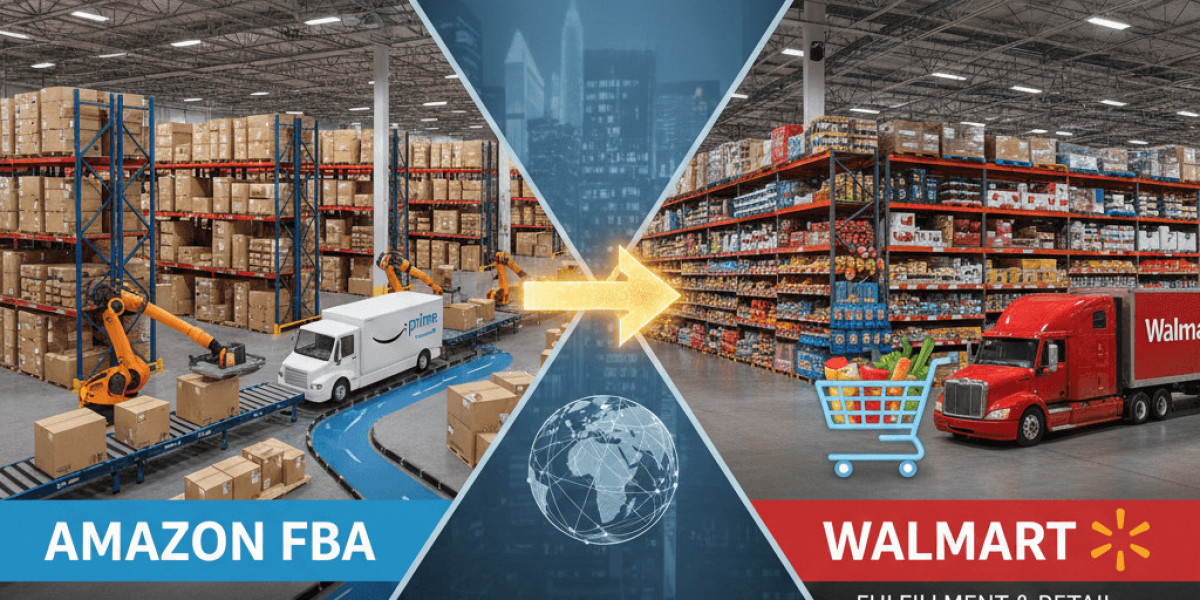

Introduction to Online Selling Decisions
Entering the world of e-commerce can feel overwhelming, especially when deciding which marketplace to focus on. Two of the most prominent options for sellers today are Amazon FBA and Walmart. Each offers access to millions of potential customers, streamlined fulfillment options, and opportunities for business growth. However, choosing the right platform requires careful consideration of factors such as fees, audience behavior, competition, and scalability. This article explores the key differences between Amazon FBA and Walmart, providing sellers with insights to make an informed decision.
Selling online is not just about listing products—it’s about understanding marketplaces, adapting strategies, and delivering an excellent customer experience. By examining both Amazon FBA and Walmart, sellers can identify the platform that best aligns with their business goals.
Amazon FBA: The Marketplace for Rapid Growth
Amazon has long been the dominant force in e-commerce, and its Fulfillment by Amazon (FBA) program has helped countless sellers scale quickly. By leveraging Amazon’s logistics network, sellers can focus on product development and marketing while Amazon manages storage, shipping, and customer service.
How Amazon FBA Works
Sellers send inventory to Amazon fulfillment centers, and when an order is placed, Amazon takes care of:
Picking and packing
Shipping and delivery
Customer service and returns
This hands-off approach makes Amazon FBA especially appealing for businesses that want to scale without the burden of handling every order manually.
Benefits of Selling on Amazon
Massive Customer Reach: Millions of active users and Prime members create high conversion potential.
Advanced Tools: Analytics, advertising dashboards, and keyword insights help sellers optimize performance.
Branding Opportunities: Programs like Brand Registry and A+ content allow sellers to build recognizable, professional brands.
Fast Scalability: Successful listings can quickly attract thousands of orders, making Amazon ideal for rapid growth.
Amazon is highly competitive, but sellers who understand its systems can leverage them for substantial rewards.
Walmart Marketplace: A Strategic Alternative
Walmart Marketplace has steadily expanded its online presence, offering sellers an alternative environment that balances opportunity with lower competition. While its online traffic is smaller than Amazon’s, Walmart provides access to a trusted brand and a value-conscious customer base.
Key Features of Walmart Marketplace
Selective Seller Approval: Maintaining quality by approving sellers ensures trust and less crowded categories.
Flexible Fulfillment Options: Sellers can handle shipping themselves or use Walmart Fulfillment Services (WFS).
Lower Competition: Fewer sellers in each category make visibility and ranking easier for new products.
Customer Loyalty: Walmart shoppers often return for value-driven purchases, creating opportunities for steady sales.
Walmart is particularly advantageous for sellers offering practical products, household goods, or everyday essentials.
Comparing Fees and Costs
Understanding costs is essential for maintaining healthy profit margins.
Amazon Fees
Referral fees per category
FBA fulfillment and storage fees
Optional advertising spend
Additional charges for premium services
Higher fees are balanced by Amazon’s massive reach and convenience, often justifying the investment for sellers ready to scale.
Walmart Fees
Referral fees depending on product category
Fulfillment fees if using WFS
No monthly subscription fee for standard sellers
Lower operational costs can improve margins, especially for sellers who manage fulfillment independently.
Customer Behavior and Audience Differences
Marketplace success depends on matching your product with the right customer base.
Amazon Customers
Value fast shipping and convenience
Frequently shop as Prime members
Expect professional listings and reliable service
Walmart Customers
Seek affordability and practicality
Prefer bulk deals and essential items
Trust the Walmart brand for reliability
Knowing your target audience can inform product selection, marketing strategies, and pricing models.
Fulfillment and Logistics Considerations
Amazon FBA provides a fully automated fulfillment solution, making it ideal for high-volume sellers. Sellers benefit from quick shipping, hassle-free returns, and integrated customer service.
Walmart offers flexibility. Sellers can manage fulfillment independently or use WFS. This flexibility allows sellers to maintain control over packaging, shipping speed, and customer interaction while still benefiting from Walmart’s logistics capabilities.
Competition and Marketplace Dynamics
Amazon: Highly competitive; success requires optimized listings, strong reviews, and strategic advertising.
Walmart: Less crowded; new products can gain visibility faster without heavy ad investment.
Choosing the right platform often depends on a seller’s willingness to navigate competition and marketing intensity.
Advertising and Marketing Opportunities
Amazon: Offers advanced advertising options, including sponsored products, display ads, and retargeting campaigns. Cost can be high but allows precise targeting.
Walmart: Advertising is simpler and often more cost-effective. Fewer competitors mean smaller ad budgets can still generate significant visibility.
Branding Potential on Each Platform
Amazon: Brand Registry, A+ content, and storefront customization help sellers establish strong brand identity.
Walmart: Limited branding options, but association with Walmart’s trusted name boosts credibility and buyer confidence.
Profitability and Growth Potential
Profitability depends on fees, competition, traffic, and operational efficiency.
Amazon: Potential for high revenue due to large audience and fast scaling, though higher fees and competition can reduce margins.
Walmart: Lower competition and simpler fees can increase per-unit profits, though smaller audience may limit explosive growth.
Many sellers diversify by selling on both platforms, spreading risk and maximizing reach.
Who Should Choose Which Platform?
Amazon is best for:
Sellers seeking fast growth
Unique or branded products
Businesses ready for high competition and advertising investment
Walmart is best for:
Sellers of practical, value-oriented products
Businesses looking for lower competition and steady sales
Sellers preferring simpler operations and cost-effective advertising
Starting with one platform and expanding to the other later is a common strategy for sustainable growth.
Common Pitfalls and How to Avoid Them
Regardless of the platform, many sellers struggle due to:
Poor product research
Weak or unoptimized listings
Ineffective pricing strategies
Ignoring customer reviews
Neglecting advertising and marketing strategies
Success comes from learning the marketplace, optimizing listings continuously, and staying responsive to market trends.
Conclusion: Making the Right Choice for Success
Both Amazon FBA and Walmart Marketplace provide valuable opportunities for online sellers. Amazon offers massive traffic, robust tools, and fast scalability, while Walmart provides lower competition, steady sales, and a trusted customer base.
The best platform depends on your products, business style, and long-term goals. By understanding audience behavior, fees, fulfillment options, and growth potential, sellers can make informed decisions that maximize success. Whether starting with Amazon, Walmart, or both, strategic planning and execution remain the keys to achieving lasting e-commerce growth.