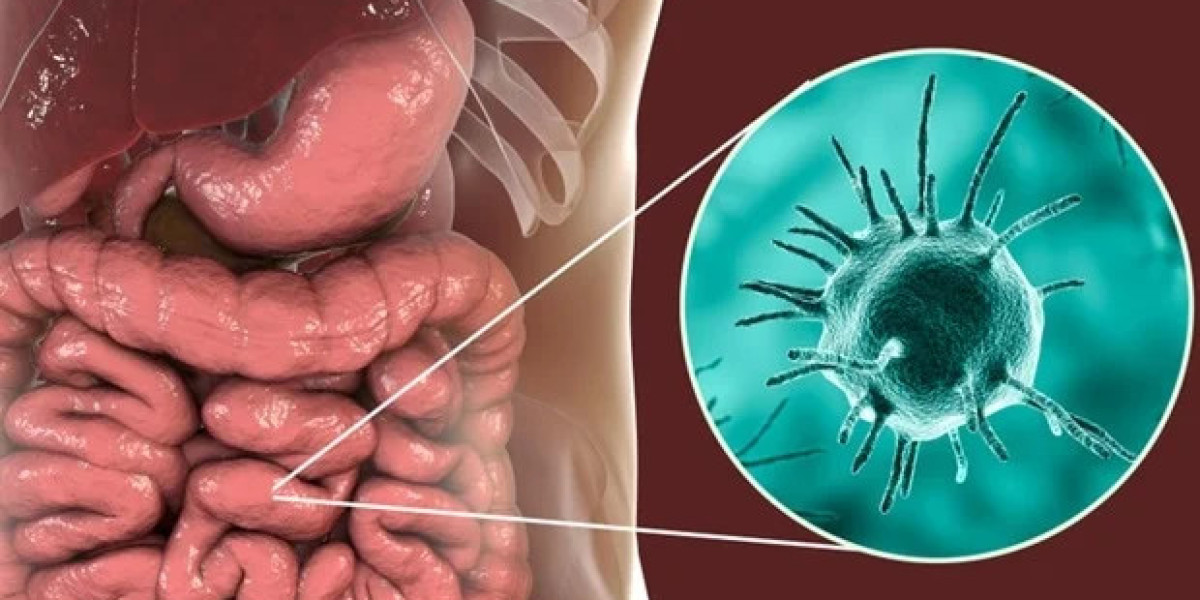

Hepatic amoebiasis is a potentially serious manifestation of infection by Entamoeba histolytica, a protozoan parasite that typically colonizes the colon but can spread to the liver and form abscesses. Treatment relies on effective antiamoebic medications and timely clinical care, but nutrition often plays an underrecognized role in supporting recovery.
While nutrition is not a standalone therapy and cannot replace medical treatment, a wellplanned nutritional strategy can help decrease inflammation, support liver function, bolster the immune response, and improve overall resilience.
Understanding the interplay between infection and nutrition begins with the pathophysiology of hepatic amoebiasis. When E. histolytica trophozoites migrate from the intestine to the liver via the portal circulation, they cause local necrosis, tissue destruction, and an inflammatory response.
This can lead to fever, right upper abdominal pain, weight loss, and general malaise. In severe cases, patients may struggle to maintain adequate nutrition due to decreased appetite, nausea, or systemic symptoms. Additionally, infection and inflammation increase metabolic demands, making nutritional support even more relevant to recovery.
A wellbalanced diet can aid the immune system by providing essential vitamins, minerals, and macronutrients. Among micronutrients, vitamin A, vitamin C, vitamin D, zinc, and selenium play roles in immune regulation. During hepatic amoebiasis, the immune system is engaged in containing parasitic invasion and resolving tissue damage, and deficiencies in these nutrients can impair immune cell function.
For instance, vitamin A supports epithelial integrity, which is useful in preventing secondary infections; vitamin C is involved in neutrophil activity; zinc and selenium support antioxidant defenses involved in managing inflammation.
Protein intake deserves particular attention. The liver is central to the metabolism of amino acids and the synthesis of acutephase proteins. Infection and fever increase protein turnover, while tissue repair processes after abscess resolution further raise protein requirements. Patients recovering from hepatic amoebiasis benefit from adequate but not excessive protein.
Lean proteins such as poultry, fish, legumes, tofu, and lowfat dairy provide the amino acids needed for repair without imposing undue metabolic strain on the liver. In cases where appetite is poor, nutrientdense soups, broths, and oral nutritional supplements may help meet these demands.
Carbohydrates provide readily accessible energy that supports the heightened metabolic rate seen during infection. Complex carbohydrates such as whole grains, oats, quinoa, and vegetables also supply fiber, which supports gut health.
However, during the acute phase of amoebic colitis which may or may not accompany hepatic disease excessive fiber can worsen gastrointestinal discomfort. Patients with active colitis symptoms often tolerate lowresidue foods better until inflammation subsides. Once stabilized, gradual reintroduction of fiber can help normalize bowel function.
Fat intake interacts closely with liver health. Moderately reducing saturated fats can ease the metabolic load on the liver, while emphasizing healthy fats from sources like olive oil, nuts, seeds, and fatty fish can provide antiinflammatory benefits.
Omega3 fatty acids, in particular, support the resolution of inflammation, although they should be consumed within normal dietary limits. Excessive fat especially fried or heavily processed foods may worsen digestive discomfort and impair appetite, making recovery more difficult.
Hydration is another key component of nutrition management. Fever, reduced intake, and gastrointestinal disturbances can contribute to dehydration. Adequate hydration supports metabolic processes, aids detoxification, and helps maintain blood volume and nutrient transport.
Water, oral rehydration solutions, diluted fruit juices, and herbal teas are generally well tolerated. Caffeinated or very sugary beverages are less ideal, as caffeine may worsen dehydration and high sugar content can destabilize blood glucose responses during acute illness.
Probiotics and gutfriendly foods can support recovery indirectly. Since E. histolytica infection originates in the intestine, promoting a healthier microbiome may help restore digestive balance after treatment.
Fermented foods like yogurt, kefir, and certain probiotic supplements can contribute beneficial microbes, although they should be introduced slowly if gastrointestinal sensitivity remains. These foods do not treat the parasite itself, but they can help reduce secondary dysbiosis created by infection, inflammation, or medication use.
The process of nutritional assessment during hepatic amoebiasis must consider the patient’s clinical status. Those who are acutely ill may need a softer or more easily digestible diet to accommodate nausea, pain, or early satiety. As symptoms improve, a gradual transition back to a more varied, nutrientdense diet is appropriate.
In severe cases, especially if abscesses are large or complications arise, clinicians may work with dietitians to provide targeted nutritional support. This may include highcalorie or highprotein supplements or, in rare cases where oral intake is insufficient, temporary use of enteral feeding.
Although proper nutrition is helpful, medical treatment remains the cornerstone of managing hepatic amoebiasis. Antiamoebic medications typically nitroimidazoles such as metronidazole are used to eradicate invasive forms of the parasite.
Following this, a luminal agent is often prescribed to eliminate remaining cysts in the intestines. Discussions of the medication supply chain sometimes arise in clinical or public health contexts. In such contexts, one might encounter references such as a mebendazole wholesaler when addressing the broader landscape of antiparasitic drug availability. Medication access, correct dosing, and proper monitoring are essential, and these tasks belong firmly under the guidance of qualified healthcare professionals.
Nutrition also plays an ongoing role after clinical symptoms subside. Recovery from hepatic abscesses can take time, and fatigue or reduced appetite may persist. Continuing to support the liver with antioxidantrich foods berries, leafy greens, cruciferous vegetables, citrus fruits, and herbs like turmeric and ginger may help reduce oxidative stress. While no food can “cleanse” the liver in a pharmacological sense, diets rich in phytonutrients provide compounds that the liver’s natural detoxification pathways can use in regular metabolic processes.
Food safety deserves special emphasis. Because amoebiasis is typically transmitted through contaminated food or water, preventing reinfection is critical. Patients should consume properly cooked foods, avoid raw produce that cannot be peeled or washed safely, and drink clean, treated water.
Handwashing, safe food preparation practices, and awareness of local sanitation conditions are pillars of prevention. Even after recovery, these habits remain essential for protecting longterm health, especially in areas where E. histolytica is endemic.
Psychological and social aspects of nutrition also matter. Prolonged illness, hospitalization, or discomfort can affect a patient’s relationship with food. Supportive environments family members preparing appealing meals, clinicians offering clear guidance, and cultural preferences being respected help create conditions where better nutrition can take root. Patients who feel involved and informed about their dietary choices are more likely to maintain beneficial eating habits during and after recovery.
In summary, while hepatic amoebiasis is fundamentally an infectious disease requiring targeted medical treatment, nutrition has a meaningful adjunct role. Appropriate dietary choices support immune function, aid tissue repair, ease the metabolic burden on the liver, and help patients regain strength. A thoughtful approach to hydration, macronutrient balance, micronutrient sufficiency, and gut health can complement clinical care and contribute to smoother recovery. Exploring these connections continues to reveal how intertwined nutrition and infectious disease management truly are, encouraging more holistic strategies for patient wellbeing.