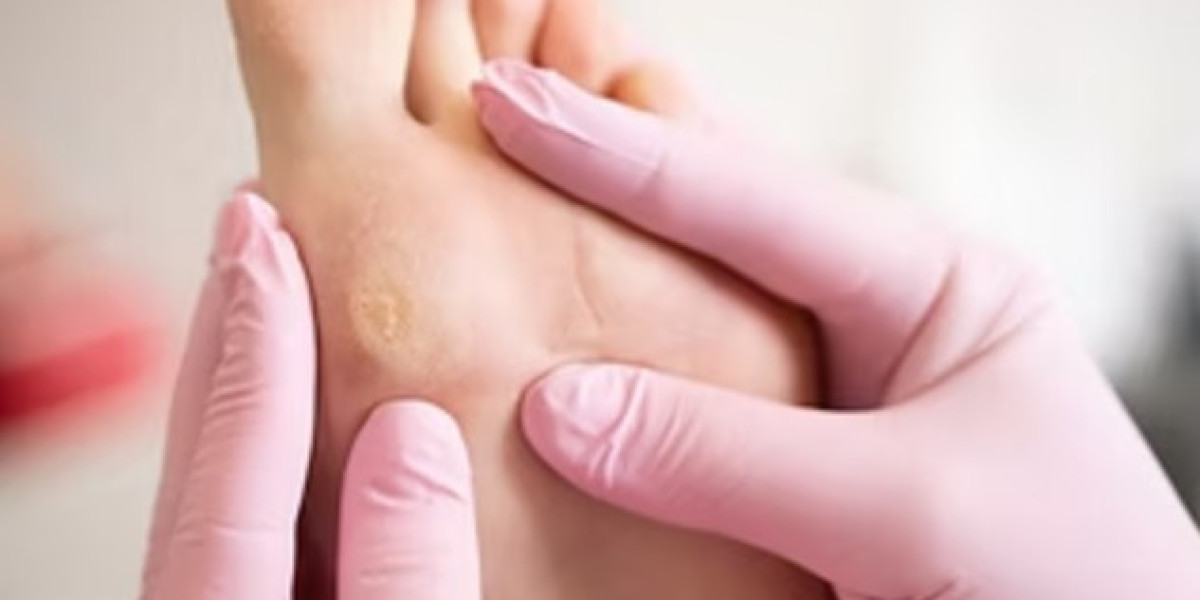

Calluses are common, especially for people who walk a lot, stand at work, or wear shoes that rub against their skin. They often seem harmless at first. But when they grow thicker, hurt when walking, or crack, they can turn into a real problem. Many people try to treat calluses at home, and that usually leads them to look for nearby clinics like Footworks Podiatry for help. As more people search for callus removal in Singapore, the question becomes important: “Is it really safer with a trained podiatrist?”
The short answer is yes.
The long answer is what this article will fully explore.
Callus removal sounds simple, but the skin on your feet is unique. When treatment is done incorrectly, there is a real risk of infection, bleeding, and long-term damage. That is why professional care matters. A trained foot specialist in Singapore understands how the foot works, why calluses form, and how to remove them safely without harming healthy skin.
This article dives deep into why podiatrist-led treatment is the safest choice, what to expect during a session, and how proper care prevents calluses from returning.
Why Calluses Form More Often Than People Realise
Calluses are the body’s natural way of protecting the skin. When an area of the foot faces repeated friction or pressure, the skin thickens to shield underlying tissues. But once the skin becomes too thick, pain and stiffness begin.
Common reasons include:
Long hours of standing or walking
Improper footwear
Flat feet or high arches
Certain sports, such as running or tennis
Foot deformities like bunions or hammertoes
Dry skin
Gait abnormalities
While these factors sound simple, each person’s foot structure is different. A trained podiatrist can determine what is truly causing the problem rather than treating only the visible skin.
Why Professional Callus Removal Matters in Singapore
Singapore’s fast-paced lifestyle means long walks, long work hours, and humid weather. These contribute to skin irritation and moisture imbalance, which make calluses worse.
Here is why professional care stands out today.
1. Podiatrists treat the cause, not only the skin
A common mistake is removing the callus without understanding why it formed. When that happens, the callus grows back faster and often thicker.
A trained podiatrist:
Assesses your foot structure
Checks how you walk
Identifies pressure points
Looks for hidden problems like early bunions or tight calf muscles
This ensures the treatment targets the root cause.
2. Treatment is controlled and safe
DIY blades, scrapers, and acid patches may:
Damage healthy skin
Cause infections
Lead to wounds that take weeks to heal
This is especially dangerous for people with:
Diabetes
Circulation problems
Thin skin
Nerve-related conditions
A podiatrist follows sterile procedures. Every step is controlled and precise, reducing risk to almost zero.
3. Tools used by podiatrists are medical-grade
Professional tools include:
Sterile blades
Medical burrs
Smooth finishing devices
These tools remove only dead skin. No overcutting. No deep scraping. No tearing.
This is why results last longer and heal faster.
4. Singapore regulations encourage safe practices
While beauty salons also offer foot care, they are not trained to handle complications. They cannot diagnose foot issues. They cannot treat deeper problems. And they cannot give medical advice.
A podiatrist, however:
Is medically trained
Understands anatomy
Recognises infection signs
Knows how to manage high-risk feet
That is why choosing a specialist is the safer route.
The Real Risks of DIY Callus Removal
Many people try home methods first. It seems convenient, but the risks are often underestimated.
Risk 1: Removing too much skin
Callus blades, pumice stones, and files can injure healthy skin. Once that happens, walking becomes painful and infection can develop.
Risk 2: Infection
Singapore’s warm weather encourages bacteria growth. When a cut happens, bacteria enter easily.
Risk 3: Making calluses grow back faster
Improper removal irritates the skin. This triggers the body to create even thicker layers of protection.
Risk 4: Mistaken identity
A callus may look normal but could hide:
A wart
A corn
A pressure ulcer
A fungal infection
Only a trained podiatrist can identify what it truly is.
Risk 5: Delaying treatment for real foot problems
A callus may signal something bigger:
Flat feet
High arches
Gait imbalance
Early bunions
Misaligned toes
These issues need proper diagnosis. Delaying treatment worsens the condition over time.
How a Trained Podiatrist Removes Calluses Safely
A typical session for callus removal in Singapore is gentle and painless. Here is what usually happens.
Step 1: Foot assessment
The podiatrist examines:
Walking pattern
Foot shape
Pressure points
Skin type
Nail condition
This guides the treatment plan.
Step 2: Gentle removal
Using sterile tools, the podiatrist carefully removes the thickened skin layer by layer. This is done with:
A scalpel
A smooth finishing tool
Medical lotion
You feel relief, not pain.
Step 3: Smoothing and shaping
The podiatrist smooths the treated area so you can walk comfortably and avoid friction.
Step 4: Education and prevention
You receive advice on:
Proper footwear
Moisturising routines
Insoles if needed
How to prevent recurrence
Step 5: Follow-up care
If the callus was linked to deeper issues, a follow-up plan ensures long-term results.
Why Athletes and Active Individuals Need Podiatrist Care
Singaporeans who enjoy running, hiking, workouts, or long-distance walks face repetitive stress. This creates calluses in areas that impact performance.
Podiatrists help by:
Managing hard skin
Correcting gait
Reducing impact pressure
Recommending insoles
Preventing blisters, cracks, and pain
This allows athletes to stay active without discomfort.
High-Risk Groups That Should Always See a Podiatrist
Some people should never attempt DIY callus removal. They require medical oversight for safety.
These include:
Diabetics
Seniors
People with poor circulation
People taking blood thinners
Those with numbness in the feet
Individuals with autoimmune conditions
For these groups, one small cut can become a major complication. Podiatrists prevent that.
Why Callus Removal at Beauty Salons Is Riskier
Beauty salons may offer foot care, but they are not medical facilities. They focus on aesthetics, not medical safety.
Limitations at salons include:
Tools may not be sterile
Staff are not medically trained
They cannot diagnose or manage infections
They may cut too deep
They cannot treat people with medical conditions
They are not trained to recognise foot deformities
For these reasons, salons should only be used for cosmetic care, not medical-level callus treatment.
How Podiatrists Prevent Calluses From Returning
Removing a callus is only the first step. Preventing it is the real solution.
A podiatrist will help you with:
Footwear recommendations
Cushioning pads
Moisture control
Foot posture correction
Custom orthotics when needed
Daily care routines
Many recurrences happen due to untreated pressure points. Once these are corrected, calluses become rare.
Callus Removal for Office Workers in Singapore
People who work long hours in offices also face callus problems. Shoes that are too tight or have hard edges can create ongoing friction.
A podiatrist can help by:
Suggesting suitable office shoes
Identifying pressure points
Advising on daily habits
Recommending soft insoles
Correcting posture or gait
Small adjustments make a big difference.
Callus Removal for Seniors in Singapore
As people age, skin becomes thinner and less elastic. This increases the risk of cracks and infections. Seniors often feel discomfort when walking barefoot or in slippers.
Podiatrists offer:
Gentle removal
Safe treatment
Monitoring for complications
Regular upkeep to prevent skin breakdown
This helps seniors stay mobile and independent.
Misconceptions People Have About Callus Removal
Many myths still circulate today. Let’s clear up the most common ones.
Misconception 1: Calluses should always be removed
Not true. Sometimes they protect the skin from pressure. A podiatrist decides when removal is necessary.
Misconception 2: It is okay to cut calluses at home
This is unsafe. One wrong cut can lead to infection.
Misconception 3: Pedicure tools are enough
These tools treat only surface-level skin. They cannot treat deeper issues.
Misconception 4: Calluses will disappear once removed
Calluses return when the cause is not treated. Podiatrists stop the cycle.
What to Expect at a Podiatry Clinic in Singapore
Your visit will be comfortable and friendly. The clinic environment is clean, safe, and designed for foot health.
Expect:
No pain
Clear guidance
Professional tools
Advice customised to Singapore’s lifestyle
You can usually walk out feeling lighter and more comfortable.
Tips to Reduce Callus Formation Between Appointments
Small habits help a lot.
Daily care tips:
Moisturise your feet each night
Choose shoes with soft linings
Avoid tight or pointed footwear
Keep your feet dry
Use cotton or moisture-wicking socks
Lifestyle habits:
Take breaks if you stand for long hours
Avoid walking barefoot on hard floors
Replace worn-out shoes
Stretch your calves daily
These steps prevent friction and reduce callus buildup.
Why Podiatrist Care Aligns with Modern Foot Health Trends in Singapore
People in Singapore are becoming more health-conscious. They want proper medical care, safer treatments, and lasting results. Podiatrists fit into this trend because they offer evidence-based solutions, accurate diagnosis, and preventive care.
This shift reflects a growing understanding that foot health impacts overall well-being. When walking becomes painful, quality of life drops. That is why seeking proper treatment matters.
Conclusion
Calluses may look simple, but they reflect deeper concerns about how your feet handle pressure every day. While DIY solutions or quick fixes may seem convenient, they come with risks. A trained podiatrist provides safe, effective, long-lasting results.
Whether you walk a lot, exercise often, or simply want healthier feet, professional callus removal in Singapore ensures you are cared for by someone who understands your foot health in depth. A trained foot specialist in Singapore will guide you through treatment, prevention, and long-term foot care.
If you’re starting to feel discomfort or notice thicker skin on your feet, don’t ignore it. Early help prevents bigger problems and keeps your daily activities pain-free.
FAQs
1. How often should I visit a podiatrist for callus removal?
Most people benefit from a visit every 6 to 8 weeks. The frequency depends on your foot structure, lifestyle, and walking habits.
2. Is callus removal painful at a podiatrist’s clinic?
No. Professional removal is gentle and controlled. Most patients feel relief immediately after treatment.
3. Can calluses become dangerous if ignored?
Yes. Thick calluses can crack, bleed, and get infected. For diabetics or seniors, this risk is higher. Early treatment prevents complications.
4. Do calluses come back after removal?
They can return if the underlying cause is not corrected. Podiatrists help manage the root problem, which reduces recurrence.
Ubicación del Autor
10 Sinaran Drive, #08-08 Novena Medical Center, Singapore 307506