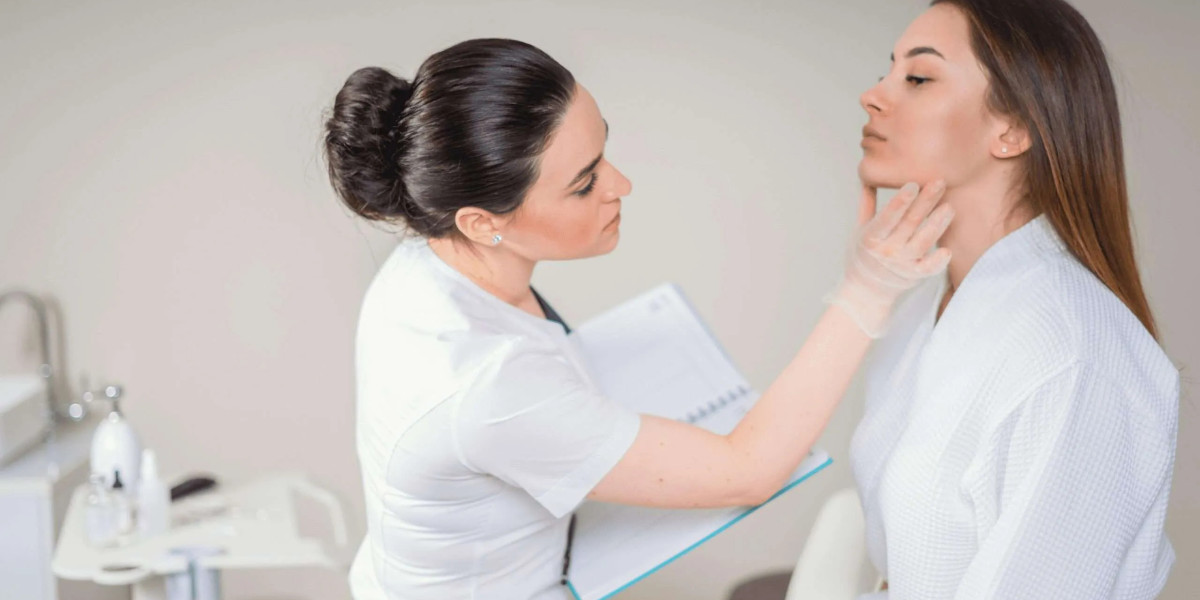

Rosacea is a chronic skin condition characterized by redness, visible blood vessels, and sometimes acne-like bumps on the face. For individuals struggling with this condition, consulting a Dermatologist in Riyadh is essential to receive accurate diagnosis and effective management strategies. Dermatologists provide personalized treatment plans that focus on reducing flare-ups, calming inflammation, and preventing long-term skin damage. Understanding the triggers and proper care techniques is key to keeping rosacea under control while maintaining healthy, balanced skin.
Understanding Rosacea:
Rosacea is not just a cosmetic concern—it is a medical condition that requires professional care. Dermatologists note:
Common symptoms include facial redness, flushing, visible blood vessels, and pustules
The condition can affect cheeks, nose, forehead, and chin
Rosacea may worsen with triggers such as sun exposure, stress, alcohol, spicy foods, or hot beverages
Early intervention can prevent progression and reduce long-term skin damage
Identifying Triggers:
Effective rosacea management begins with understanding what aggravates the condition. Dermatologists recommend:
Keeping a symptom diary to track flare-ups and their causes
Avoiding excessive sun exposure and using high-SPF sunscreen daily
Limiting spicy foods, alcohol, and hot drinks that trigger redness
Reducing stress through relaxation techniques like meditation or yoga
Proper Cleansing Techniques:
Cleansing plays a vital role in minimizing irritation and maintaining skin health. Recommended approaches include:
Using gentle, fragrance-free cleansers specifically formulated for sensitive skin
Avoiding scrubs or abrasive exfoliants that can worsen inflammation
Washing with lukewarm water instead of hot water to prevent flushing
Patting the skin dry gently with a soft towel rather than rubbing
Moisturizing to Protect the Skin Barrier:
Even sensitive skin affected by rosacea requires hydration to reduce irritation. Key tips include:
Choosing non-comedogenic, fragrance-free moisturizers
Using products containing soothing ingredients such as niacinamide or ceramides
Applying moisturizer immediately after cleansing to lock in hydration
Avoiding heavy or oil-based creams that may trigger breakouts
Medical Treatments for Rosacea:
Dermatologists provide targeted medical treatments to control symptoms and inflammation. These may include:
Topical medications such as metronidazole, azelaic acid, or ivermectin
Oral antibiotics for moderate to severe cases to reduce redness and bumps
Laser or light-based therapies to target visible blood vessels and persistent redness
Prescription guidance tailored to skin type, severity, and lifestyle
Lifestyle Adjustments for Long-Term Control:
Managing rosacea effectively requires holistic lifestyle changes. Dermatologists suggest:
Wearing protective clothing and wide-brimmed hats in the sun
Using gentle skincare products free of alcohol, menthol, or harsh chemicals
Avoiding extreme temperatures or hot showers that can trigger flare-ups
Staying consistent with prescribed treatments and follow-up appointments
Monitoring Progress and Adjusting Care:
Regular dermatology visits help ensure rosacea remains under control. Recommendations include:
Scheduling follow-ups to evaluate treatment effectiveness and skin response
Adjusting skincare routines seasonally or with changing environmental factors
Reporting new symptoms or increased redness promptly to prevent worsening
Keeping realistic expectations and understanding that rosacea management is ongoing
Patient Education and Support:
Understanding rosacea empowers patients to manage their condition proactively. Dermatologists emphasize:
Learning to identify early signs of flare-ups and triggers
Implementing a consistent daily skincare regimen tailored to sensitive skin
Educating about safe cosmetic products and treatments for rosacea-prone skin
Encouraging support networks or resources to cope with the emotional impact of the condition
Final Thoughts
Rosacea is a manageable condition with the right combination of medical care, lifestyle adjustments, and proper skincare. A Dermatologist in Riyadh plays a crucial role in providing personalized guidance, effective treatments, and ongoing support to help patients control symptoms and maintain healthy skin. By identifying triggers, following professional advice, and committing to consistent care, individuals with rosacea can achieve calmer, clearer, and more resilient skin.