
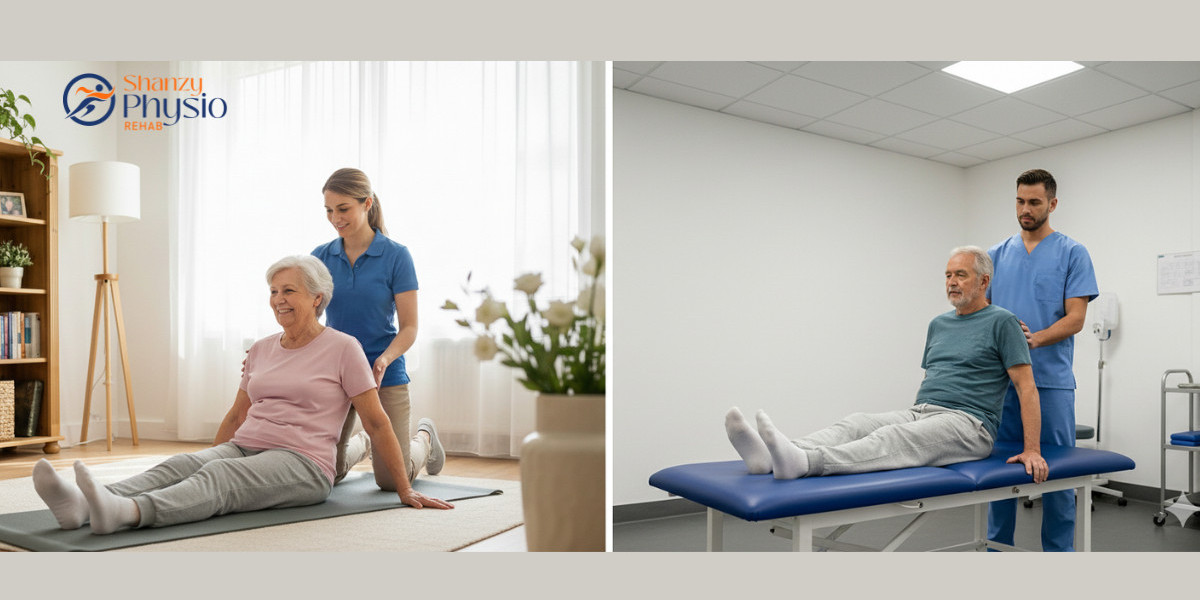

Neck pain is a common issue that affects millions of people worldwide. Whether it’s caused by prolonged sitting, poor posture, stress, or injuries, neck discomfort can interfere with daily activities and overall quality of life. While professional physiotherapy is often recommended for persistent or severe pain, there are several effective exercises you can safely perform at home to relieve tension, improve mobility, and prevent future problems. This article explores the top exercises for neck pain that require minimal equipment and can easily be incorporated into your daily routine.
1. Neck Tilts
Neck tilts are a simple yet highly effective exercise to stretch the muscles on the sides of your neck.
How to do it:
Sit or stand with your back straight and shoulders relaxed.
Slowly tilt your head to the right, bringing your ear toward your shoulder.
Hold the stretch for 15–30 seconds, feeling a gentle pull along the side of your neck.
Return to the center and repeat on the left side.
Perform 3–5 repetitions on each side.
Benefits: Neck tilts improve flexibility, reduce stiffness, and help prevent tension headaches caused by tight muscles.
2. Chin Tucks
Chin tucks are excellent for strengthening the deep neck muscles and improving posture, especially for those who spend long hours at a desk or on electronic devices.
How to do it:
Sit or stand tall, keeping your shoulders relaxed.
Gently tuck your chin toward your chest, as if you are making a “double chin.”
Hold the position for 5 seconds and then relax.
Repeat 10–15 times, twice daily.
Benefits: This exercise helps correct forward head posture, reduces strain on cervical spine muscles, and alleviates chronic neck pain.
3. Shoulder Shrugs
Shoulder shrugs target the upper trapezius muscles, which often become tight due to stress or prolonged sitting.
How to do it:
Sit or stand with your arms relaxed at your sides.
Lift your shoulders up toward your ears slowly.
Hold for 3–5 seconds, then slowly release back down.
Repeat 10–15 times, performing 2–3 sets daily.
Benefits: Shoulder shrugs relieve tension in the upper back and neck, improve circulation, and help prevent muscle stiffness.
4. Levator Scapulae Stretch
The levator scapulae muscles, located along the back and side of the neck, can cause discomfort when tight. This stretch helps release tension in this area.
How to do it:
Sit or stand with a straight back.
Turn your head 45 degrees to the right, then gently tilt your chin downward, as if looking into your pocket.
Place your right hand lightly on the back of your head to deepen the stretch.
Hold for 15–30 seconds, then switch sides.
Repeat 2–3 times on each side.
Benefits: Stretching the levator scapulae reduces stiffness, improves neck mobility, and eases upper shoulder tension.
5. Upper Trapezius Stretch
The upper trapezius stretch targets the muscles that often tighten due to poor posture, stress, or carrying heavy bags.
How to do it:
Sit on a chair with your back straight.
Place your right hand under your thigh for stability.
Gently tilt your head to the left, bringing your ear toward your shoulder.
Apply light pressure with your left hand on the side of your head to enhance the stretch.
Hold for 20–30 seconds and repeat on the opposite side.
Benefits: This stretch reduces tension in the upper back and neck, preventing stiffness and headaches.
6. Neck Rotations
Neck rotations improve mobility in the cervical spine, enhancing flexibility and reducing stiffness.
How to do it:
Sit or stand with your spine straight and shoulders relaxed.
Slowly turn your head to the right, keeping your chin parallel to the floor.
Hold for 5 seconds and return to the center.
Repeat to the left side.
Perform 10 repetitions on each side.
Benefits: Neck rotations enhance joint mobility, improve circulation, and decrease discomfort caused by prolonged static positions.
7. Cat-Cow Stretch
Although often considered a back exercise, the cat-cow stretch is highly effective for the neck as well.
How to do it:
Begin on all fours, with hands under shoulders and knees under hips.
Inhale, arch your back, and lift your head and tailbone toward the ceiling (cow pose).
Exhale, round your spine, and tuck your chin toward your chest (cat pose).
Repeat 10–15 times, moving slowly and smoothly.
Benefits: This exercise promotes flexibility in the neck and spine, relieves tension, and improves posture.
8. Doorway Chest Stretch
Tight chest muscles can contribute to forward head posture, leading to neck pain. Stretching your chest can help relieve this tension.
How to do it:
Stand in a doorway with your arms bent at 90 degrees and hands on the doorframe.
Step forward gently, keeping your chest open.
Hold for 15–30 seconds and release.
Repeat 2–3 times.
Benefits: This stretch counteracts rounded shoulders, improves posture, and reduces strain on the neck.
9. Resistance Band Rows
Strengthening the upper back muscles is essential for supporting the neck and improving posture. Resistance band rows are perfect for this purpose.
How to do it:
Secure a resistance band around a stable object at chest height.
Hold the band with both hands, arms extended.
Pull the band toward your chest, squeezing your shoulder blades together.
Slowly return to the starting position.
Repeat 10–15 times for 2–3 sets.
Benefits: Resistance band rows strengthen the upper back, reduce neck strain, and improve shoulder stability.
10. Scapular Retractions
Scapular retractions focus on strengthening the muscles that stabilize the shoulder blades, indirectly supporting the neck.
How to do it:
Sit or stand with your back straight.
Squeeze your shoulder blades together as if pinching a pencil between them.
Hold for 5 seconds and release.
Perform 10–15 repetitions for 2–3 sets.
Benefits: This exercise improves posture, reduces neck tension, and supports overall spinal health.
Tips for Safe Home Neck Exercises
Warm up first: Gentle shoulder rolls or light neck movements prepare the muscles for stretching.
Avoid overextending: Move slowly and stop if you feel sharp pain.
Maintain good posture: Keep your spine neutral during all exercises.
Consistency is key: Daily practice is more effective than occasional intensive sessions.
Consult a professional: If neck pain persists, radiates to your arms, or is accompanied by numbness, see a physiotherapist or doctor before continuing exercises.
Conclusion
Neck pain can be debilitating, but with the right exercises, you can significantly reduce discomfort and improve your quality of life. Incorporating stretches like neck tilts, chin tucks, and upper trapezius stretches, along with strengthening exercises such as resistance band rows and scapular retractions, can help restore mobility, relieve tension, and prevent future issues. Performing these exercises regularly at home, combined with good posture and ergonomic habits, offers a practical approach to managing neck pain without the need for expensive equipment or frequent clinic visits.