
Winter often brings more than cold air and short days. Many people experience muscle aches, joint stiffness, and reduced flexibility during this season. Cold temperatures tighten muscles, reduce blood flow, and make the body feel slower and heavier. If you live in Canada, the USA, or Australia, winter routines and reduced activity can increase body discomfort.
Daily mobility exercises offer a simple and effective way to manage muscle aches during winter. These movements improve circulation, maintain flexibility, and reduce stiffness—without intense workouts or special equipment.
This guide explains why winter causes muscle pain, how mobility exercises help, and how to build a daily routine that supports comfort and movement.
Why Muscle Aches Increase in Winter
Causes of muscle aches and affects muscles and joints in several ways. Muscles tighten faster in low temperatures, which limits range of motion. People also move less during winter, spending more time sitting indoors. This combination leads to stiffness and soreness.
Shorter daylight hours reduce outdoor activity, especially in colder regions of Canada and the northern USA. Even in parts of Australia, cooler mornings can limit movement. Over time, reduced mobility causes muscles to weaken and ache more easily.
What Are Mobility Exercises?
Mobility exercises focus on controlled movement through full joint ranges. Unlike stretching alone, mobility work combines flexibility, strength, and coordination. These exercises help joints move freely while keeping muscles active and supported.
Mobility routines work well in winter because they:
Warm the body gently
Improve blood flow
Reduce stiffness without strain
Support daily movement and posture
Benefits of Daily Mobility in Cold Weather
Practicing mobility exercises every day provides long-term pain relief options for muscle aches. Regular movement keeps muscles loose and joints healthy.
Key benefits include:
Less morning stiffness
Better posture and balance
Reduced muscle tightness
Improved joint flexibility
Lower risk of strain or injury
People who stay consistent often notice less dependence on short-term pain relief options.
Simple Daily Mobility Exercises for Winter
You can complete these exercises at home in 10–15 minutes. Perform each movement slowly and with control.
1. Neck and Shoulder Rolls
Cold weather often causes tension in the neck and shoulders.
Roll your shoulders backward and forward
Gently rotate your neck side to side
Breathe deeply during movement
2. Cat-Cow Spine Movement
This exercise warms the spine and improves posture.
Start on hands and knees
Arch your back, then gently round it
Move slowly with your breath
3. Hip Circles
Hip stiffness increases during long periods of sitting.
Stand or lie down
Rotate hips in slow circles
Switch directions after several reps
4. Ankle Mobility Rotations
Cold feet and stiff ankles affect balance and walking.
Rotate ankles clockwise and counterclockwise
Flex and point toes gently
5. Gentle Squats
Squats improve circulation and leg strength.
Lower slowly and rise with control
Keep movements shallow if needed
When Pain Relief Support Is Needed
While mobility exercises help reduce discomfort, some people experience occasional muscle pain that needs additional support. Over-the-counter pain relief may be used carefully when movement alone feels insufficient.
Ibuprofen tablets 400mg are commonly used for short-term relief of muscle pain and inflammation. Some people also use lower-dose options like brufen 200 mg under proper guidance.
Pain relief should support movement—not replace it. Always follow recommended dosage instructions and avoid long-term use without professional advice.
Winter Mobility Tips for Better Results
To make mobility exercises more effective during winter, follow these simple tips:
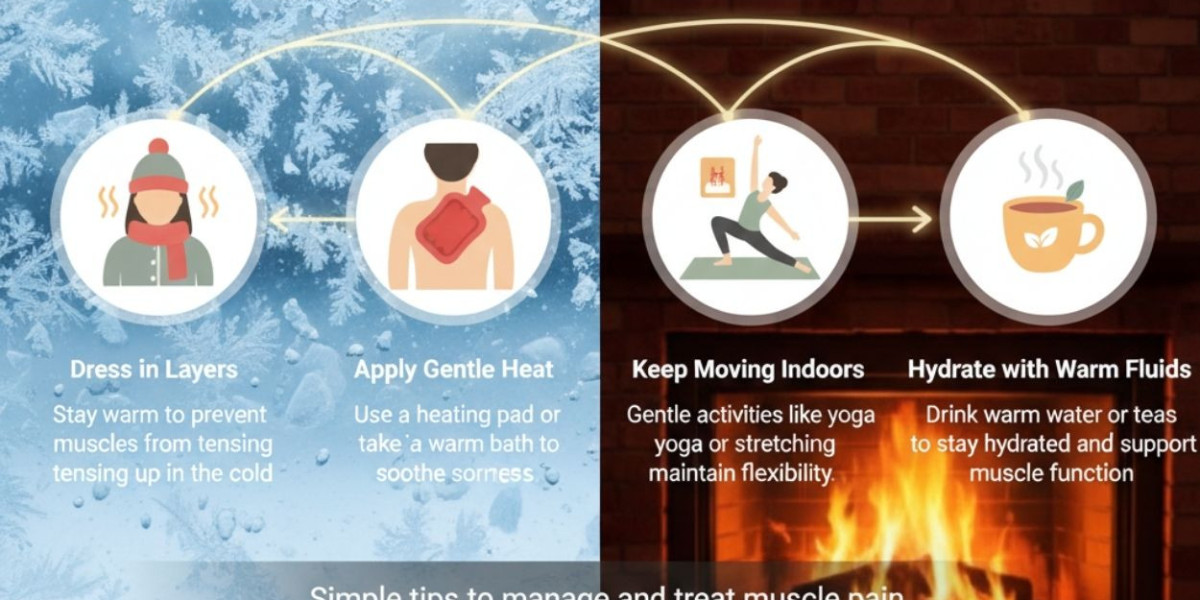
Warm up indoors before exercising
Wear layered clothing to keep muscles warm
Move slowly and avoid sudden motions
Stay hydrated even in cold weather
Maintain consistency over intensity
People in colder climates such as Canada and parts of the USA benefit greatly from indoor routines. Even milder winter regions in Australia experience stiffness during cool mornings.
Creating a Daily Winter Mobility Habit
The key to success lies in consistency. You do not need long workouts. Short daily sessions work best.
Try this approach:
5 minutes in the morning to reduce stiffness
5 minutes in the evening to relax muscles
Gentle breathing during movements
Pairing mobility with healthy sleep and nutrition further supports muscle recovery.
Supporting Recovery With Trusted Sources
When managing winter muscle aches, many people look for reliable wellness and health resources. Platforms like Buyrxsafe provide access to information and products that support short-term pain management needs while encouraging responsible use.
Always combine medication use with movement, rest, and healthy habits for balanced care.
Final Thoughts
Winter muscle aches are common, but they do not have to control your daily life. Simple mobility exercises improve flexibility, reduce stiffness, and keep your body moving comfortably throughout the cold months.
Whether you live in Canada, the USA, or Australia, daily movement remains one of the safest and most effective ways to manage winter discomfort. Stay consistent, move gently, and support your body with smart habits for long-term comfort and mobility.