
Curtains are an important part of every home. They protect privacy, control sunlight, reduce heat, and make rooms look warm and stylish. But because curtains hang for long hours near windows and doors, they collect a lot of dust, smoke, and smells. Over time, this dirt builds up and can make your home feel less clean and less healthy.
Many people want to clean their curtains but feel unsure about the right method. Washing curtains the wrong way can cause shrinkage, color fading, fabric damage, or loss of shape. The good news is that curtains can be cleaned safely if you follow the right steps. This guide explains everything in simple English so anyone can understand and apply it easily.
Note: Professional curtain cleaning in Abu Dhabi, UAE helps remove dust, stains, and allergens, keeping your curtains fresh, hygienic, and looking like new.
Why Proper Curtain Cleaning Matters

Curtain cleaning is not only about looks. It also affects comfort, health, and air quality inside the home.
Curtains Hold More Dirt Than You Think
Curtains work like dust magnets. They trap:
Dust from outside air
Smoke from cooking or candles
Pet hair and skin flakes
Pollen and allergens
Moisture and bad smells
Even if curtains look clean, dirt is often hidden deep inside the fabric.
Health Problems Linked to Dirty Curtains
When curtains are not cleaned regularly, they can cause:
Sneezing and coughing
Allergy flare-ups
Breathing discomfort
Headaches
Unpleasant indoor smell
Cleaning curtains helps create a fresher and healthier home.
Know Your Curtain Fabric Before Cleaning
The best way to clean curtains depends mainly on the fabric type. Each fabric reacts differently to water, heat, and cleaning products.
Common Curtain Fabric Types
Understanding your curtain fabric helps prevent damage.
Cotton Curtains
Strong and breathable
Can shrink in hot water
Best washed gently
Linen Curtains
Natural and stylish
Wrinkles easily
Needs soft handling
Polyester Curtains
Durable and low maintenance
Keeps shape well
Safe for machine washing
Silk Curtains
Very delicate
Can lose shine
Best for dry cleaning
Velvet Curtains
Heavy and thick
Texture can flatten
Needs special care
Why Care Labels Are Important
Curtain labels give cleaning instructions such as:
Water temperature
Washing method
Drying rules
Dry clean only warnings
Ignoring these instructions is the most common cause of curtain damage.
Regular Dust Removal Is the Safest First Step
Dusting is the easiest and safest way to clean curtains.
How to Dust or Vacuum Curtains Correctly
Use a vacuum with a soft brush
Start from the top and move down
Clean both sides if possible
How Often to Dust Curtains
Light dusting once a week
Deep vacuum every two weeks
This simple step keeps curtains fresh and reduces deep dirt buildup.
Hand Washing Curtains Without Damage
Hand washing is one of the safest methods for many curtain types.
When Hand Washing Is the Best Option
Thin cotton curtains
Sheer or lace curtains
Lightly soiled curtains
Step-by-Step Hand Washing Guide
Fill a tub with cold or lukewarm water
Add a small amount of mild detergent
Place curtains gently into the water
Move them slowly without twisting
Rinse with clean water
Press gently to remove water
Never twist or squeeze hard, as this weakens fabric fibers.
Drying Curtains After Hand Washing
Hang curtains while slightly damp
Let them air dry naturally
Avoid direct sunlight
This helps keep the fabric shape and color.
Machine Washing Curtains the Right Way
Some curtains are safe for machine washing, but only if done carefully.
Curtains Suitable for Machine Washing
Polyester curtains
Strong cotton curtains
Curtains marked machine washable
Safe Machine Washing Tips
Use cold or warm water
Select gentle or delicate cycle
Use mild detergent
Wash curtains alone
Avoid bleach unless the label clearly allows it.
Drying Machine-Washed Curtains Safely
Use low heat or air dry
Remove curtains while damp
Hang immediately to prevent wrinkles
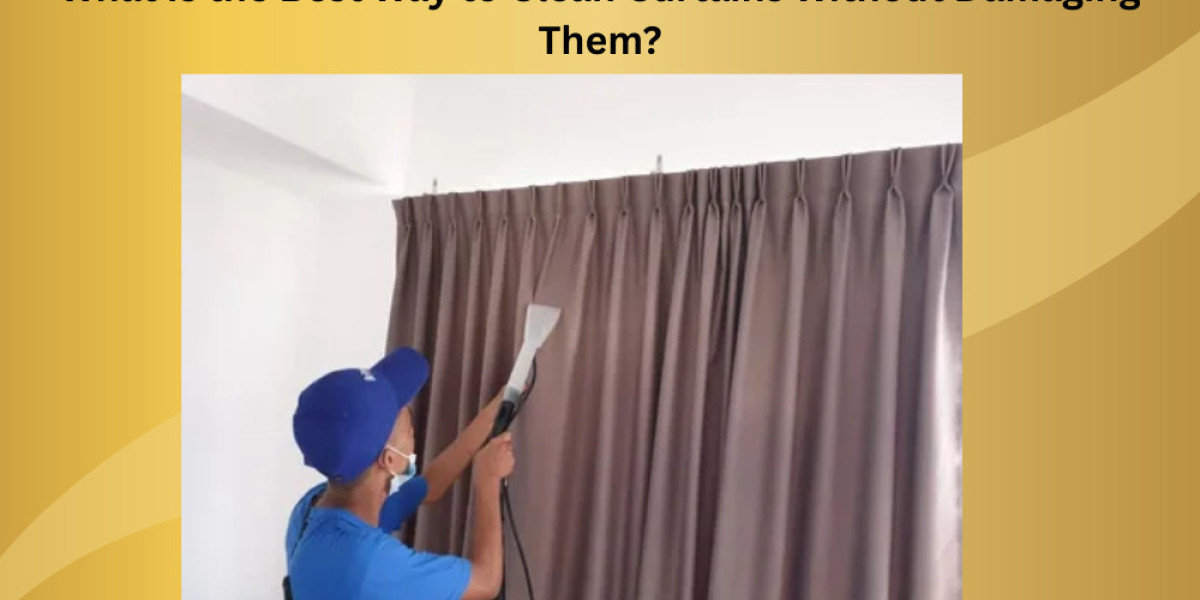
Steam Cleaning Curtains Without Removing Them
Steam cleaning is one of the best and safest curtain cleaning methods.
Benefits of Steam Cleaning
Kills germs and bacteria
Removes odors
Freshens fabric
No harsh chemicals
How to Steam Clean Curtains Properly
Use a curtain or garment steamer
Start at the top of the curtain
Move slowly downward
Keep a small distance to avoid soaking
Steam cleaning works well for heavy or large curtains.
Spot Cleaning Stains Gently
Stains should be treated as soon as possible.
Common Curtain Stains
Food splashes
Drink spills
Grease marks
Dust spots
Safe Spot Cleaning Steps
Test cleaner on hidden area
Use a soft cloth or sponge
Dab gently, do not rub
Rinse lightly with clean water
Rubbing spreads the stain and damages fibers.
Dry Cleaning for Delicate Curtains
Some curtains should not be washed at home.
Curtains That Need Professional Dry Cleaning
Silk curtains
Velvet curtains
Curtains with heavy lining
Curtains with embroidery or patterns
Why Dry Cleaning Is Safer
No water damage
Color stays bright
Fabric keeps its shape
Professional cleaners know how to handle delicate fabrics safely.
How Often Should Curtains Be Cleaned?
Curtain cleaning frequency depends on lifestyle and environment.
General Cleaning Schedule
Dust or vacuum weekly
Wash or steam every 3 to 6 months
Dry clean once a year if required
Homes That Need More Frequent Curtain Cleaning
Homes near busy roads
Houses with pets
Homes with smokers
Allergy-sensitive households
In such homes, cleaning every 2 to 3 months is better.
Mistakes to Avoid When Cleaning Curtains
Many curtain problems happen due to simple mistakes.
Using Hot Water
Hot water causes shrinkage and fading.
Overloading the Washing Machine
This leads to uneven cleaning and fabric stress.
Using Strong Chemicals
Harsh cleaners weaken fabric fibers.
Drying in Direct Sunlight
Sunlight fades colors and weakens fabric.
Simple Habits to Keep Curtains Clean Longer
Daily habits can reduce the need for frequent washing.
Shake Curtains Weekly
This removes loose dust and keeps them fresh.
Allow Fresh Air Inside
Fresh air reduces moisture and odor buildup.
Use Window Screens
Screens reduce dust entering the home.
Keep Curtains Dry
Moisture causes mold and bad smells.
Benefits of Professional Curtain Cleaning
Professional services provide deep and safe cleaning.
Why Professional Cleaning Is Worth It
Fabric-specific cleaning methods
Deep dirt and odor removal
Safe handling of heavy curtains
Longer curtain lifespan
Professionals ensure curtains are cleaned without damage.
Choosing the Best Curtain Cleaning Method
The best cleaning method depends on:
Curtain fabric type
Size and weight
Level of dirt
Care label instructions
Choosing the right method protects both appearance and quality.
How Clean Curtains Improve Your Home
Clean curtains make a noticeable difference.
Better Indoor Air Quality
Less dust means cleaner air to breathe.
Fresh Smell Throughout the Home
Clean fabric removes trapped odors.
Improved Room Appearance
Bright and clean curtains enhance room beauty.
Long-Lasting Curtains
Proper care prevents early damage.
Final Thoughts on Cleaning Curtains Safely
The best way to clean curtains without damaging them is to understand the fabric, follow care labels, and use gentle cleaning methods. Regular dusting, careful washing, steam cleaning, and professional help when needed can keep curtains looking fresh for years.
With the right care, curtains remain beautiful, clean, and safe, helping create a comfortable and healthy home for everyone
For more insightful articles related to this topic, feel free to visit : aijoining.com