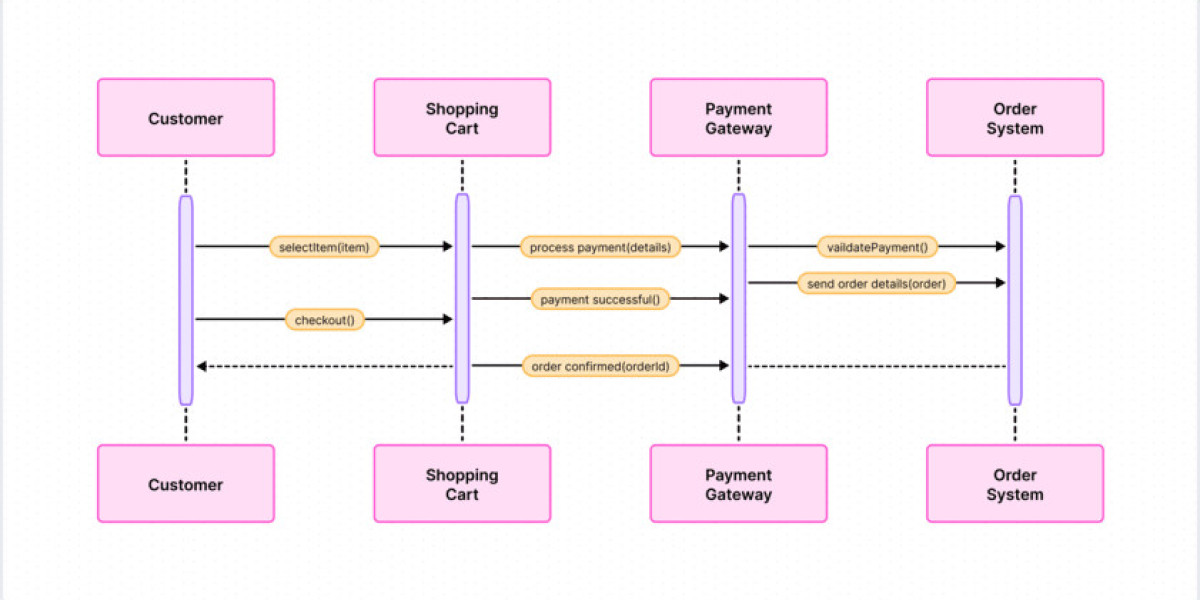

In the rapidly evolving field of artificial intelligence (AI), ensuring smooth workflow and clear communication across teams is essential for building robust AI systems. One powerful tool that can help in this regard is the UML sequence diagram ai. But what exactly is a UML Sequence Diagram, and why is it so important for AI workflows? In this article, we’ll dive deep into the concept, benefits, and best practices for modeling AI workflows using UML sequence diagrams.
What Are UML Sequence Diagrams?
UML (Unified Modeling Language) Sequence Diagrams are a type of interaction diagram that helps in visualizing how objects or components within a system interact over time. These diagrams focus on the sequence of messages exchanged between objects, showing how they work together to complete specific tasks or processes. In essence, sequence diagrams highlight the flow of control and data in a system, making them a crucial tool for designing and analyzing complex workflows.
Why AI Workflows Need Sequence Diagrams
AI workflows often involve intricate interactions between different components such as data sources, machine learning models, preprocessing units, and the users. These systems need careful design to avoid inefficiencies and ensure scalability and accuracy. Sequence diagrams help map out these interactions visually, making it easier for teams to understand the overall process and identify potential bottlenecks or issues early on.
How UML Sequence Diagrams Help in AI Development
Using sequence diagrams for AI workflows can drastically improve both development and collaboration. They help developers, data scientists, and other stakeholders see the “big picture,” making it easier to spot issues, plan updates, and optimize processes. Additionally, these diagrams provide a clear, concise way to document the system, making it easier to onboard new team members and explain AI workflows to non-technical stakeholders.
Key Concepts of UML Sequence Diagrams in AI
What is a Sequence Diagram?
A sequence diagram is a time-ordered diagram that illustrates how different entities in a system interact with each other to complete a process. In the case of AI, these entities might be the AI models, data inputs, algorithms, or even external services that interact with the AI system. The key feature of a sequence diagram is its ability to show the order of messages or interactions that happen over time.
Understanding Actors, Objects, and Messages in Sequence Diagrams
In a UML sequence diagram generator, there are typically three key elements:
Actors: These are the external entities that interact with the system, such as users, external APIs, or devices.
Objects: These are the internal components of the system, such as models, databases, or services.
Messages: These are the interactions between actors and objects, shown as arrows in the diagram, and represent the exchange of information or control.
The Role of Sequence Diagrams in AI Workflows
In AI workflows, sequence diagrams serve to capture the interactions between various components, such as data collection, preprocessing, model training, and model evaluation. By using these diagrams, teams can ensure that these processes are well-understood and properly coordinated.
Benefits of Using Sequence Diagrams for AI Workflows
Visualizing Complex Interactions in AI Systems
AI systems often involve complex, multi-step processes where components need to communicate with each other in a precise order. Sequence diagrams allow teams to visualize these complex interactions in an intuitive and easy-to-understand format, making it clear how data flows and what happens at each stage of the process.
Improving Communication Among Teams
A visual representation of an AI workflow makes it easier for developers, data scientists, and other stakeholders to discuss the system. It provides a common reference point that can be used to clarify misunderstandings and ensure everyone is on the same page regarding the system’s design.
Simplifying the Design and Development Process
Having a clear diagram of the workflow helps identify potential design issues early on. It allows teams to spot inefficiencies or bottlenecks in the workflow before coding begins, leading to more efficient and smoother development.
How to Create a Sequence Diagram for AI Workflows
Step-by-Step Guide to Drawing Sequence Diagrams
Creating a sequence diagram for an AI workflow might sound daunting, but it’s a structured process. Here’s how you can go about it:
Identify the Key Components
Start by identifying all the components of your AI system. These may include data sources, pre-processing modules, machine learning models, APIs, databases, and other external systems that your AI will interact with.
Define the Sequence of Events
Once you have your components in place, determine the order in which these components interact. For example, data might be input first, pre-processed next, and then fed into a machine learning model for training or inference.
Conclusion
UML sequence diagrams are an invaluable tool for visualizing, designing, and improving AI workflows. They help clarify interactions between various components of an AI system, streamline development, and enhance team communication. By following best practices and utilizing the right tools, AI professionals can ensure that their systems are well-structured and efficient.
FAQs
What is the Difference Between a Sequence Diagram and a Flowchart?
A sequence diagram focuses on the order of interactions between components over time, while a flowchart focuses on the flow of a process or algorithm.
Can Sequence Diagrams Be Used for All Types of AI Systems?
Yes, sequence diagrams can be used for any AI system that involves multiple components or interactions, including machine learning models, APIs, and databases.
How Do I Create a Sequence Diagram Without Specialized Software?
You can create a sequence diagram by drawing it by hand or using basic drawing tools like Microsoft PowerPoint or Google Slides. However, using specialized software is more efficient for complex diagrams.
Are Sequence Diagrams Necessary for Small AI Projects?
While sequence diagrams are not always necessary for small projects, they can still help clarify the interactions and structure of the system, making development more efficient.
What Are the Key Advantages of Using Sequence Diagrams in AI Workflow Modeling?
Sequence diagrams provide clear visualization of interactions, improve communication across teams, help identify design issues early, and ensure that AI workflows are well-structured.