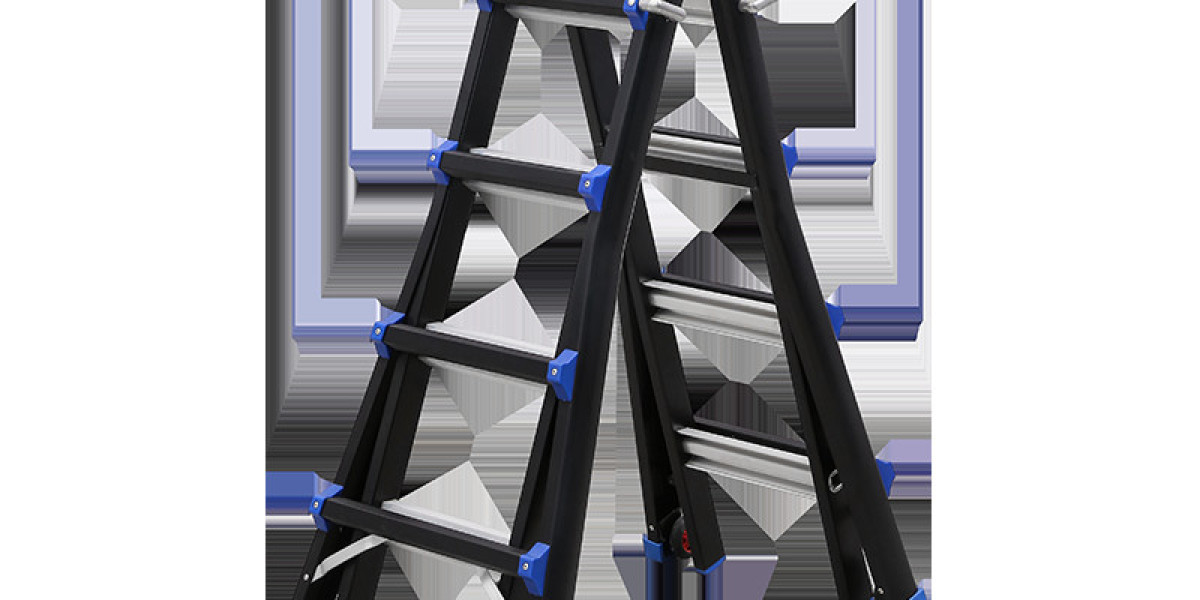

Selecting an appropriate single ladder involves understanding a set of technical specifications that define its capacity, safety, and suitability for specific environments. Beyond simply choosing a length, informed decisions consider the duty rating, material composition, and compliance with recognized safety standards. A single ladder is not a generic commodity; its design incorporates engineering calculations to ensure it can support intended loads without failure. These factors collectively determine whether a particular single ladder is a good match for household chores, commercial maintenance, or demanding industrial work. This examination delves into the key specifications that differentiate one single ladder from another, highlighting how these built-in characteristics guide safe and effective use, and concluding with the importance of matching the tool's rated capabilities to the user's actual needs.
The duty rating is a critical specification, often displayed on a label affixed to the side rail of a single ladder. This rating categorizes the maximum intended load the ladder is designed to support, including the weight of the user, clothing, tools, and materials. Common classifications include Type III (Light Duty, 200 pounds), Type II (Medium Duty, 225 pounds), Type I (Heavy Duty, 250 pounds), and Type IA (Extra Heavy Duty, 300 pounds). Selecting a single ladder with a duty rating that exceeds the total anticipated load is a fundamental safety practice. Using a ladder rated for household tasks on a construction site where a worker carries heavy tools increases the risk of structural overloading and potential failure. Therefore, the duty rating provides a quantifiable foundation for safe operation of any single ladder.
The choice of material for the side rails and rungs fundamentally shapes the ladder's characteristics and ideal use case. A wooden single ladder, often made from Douglas fir, offers solidity and is a non-conductor of electricity, but it can be heavy and susceptible to rot or warping if not stored properly. An aluminum single ladder is lightweight, corrosion-resistant, and durable, making it easy to transport and suitable for general use, but it must never be used near live electrical sources due to its conductivity. A fiberglass single ladder is also non-conductive and is resistant to weathering and many chemicals, making it a preferred choice for electrical utility work and industrial settings, though it tends to be heavier and more costly than aluminum. Each material brings a different balance of weight, strength, safety, and cost to the design of a single ladder.
Compliance with safety standards, such as those established by ANSI (American National Standards Institute) or similar international bodies, is another vital aspect. A certified single ladder is manufactured to meet specific requirements for rung spacing, rail dimensions, slip resistance, and overall structural integrity. These standards ensure a consistent baseline of safety and performance. Users should look for certification marks and inspect for features like reinforced rung-to-rail connections, serrated or textured rungs for better foot grip, and sturdy, non-slip feet on the single ladder. These design elements are not merely accessories; they are integral to the ladder's safe function, the result of extensive research into fall prevention and stability.
The specifications of a single ladder serve as a silent instruction manual, defining its limits and guiding its application. Ignoring these specifications—by overloading it, using it in an electrically hazardous environment unsuitable for its material, or neglecting signs of wear—compromises the safety engineered into the tool. A well-chosen single ladder, respected within its rated parameters, becomes a predictable and secure platform.
The single ladder is a deceptively complex product of industrial design and safety engineering. Its simple appearance belies the careful consideration given to load dynamics, material science, and human factors. By understanding and adhering to its specifications—the duty rating, the material properties, and the design standards—users transform the single ladder from a potential hazard into a reliable instrument of access. This knowledge empowers individuals to make informed selections and operate the tool with warranted confidence. The enduring relevance of the single ladder is therefore tied not just to its physical form, but to the robust framework of standards and specifications that ensure its safe performance in a world of varied demands and potential risks.
Ubicación del Autor
London, Reino Unido