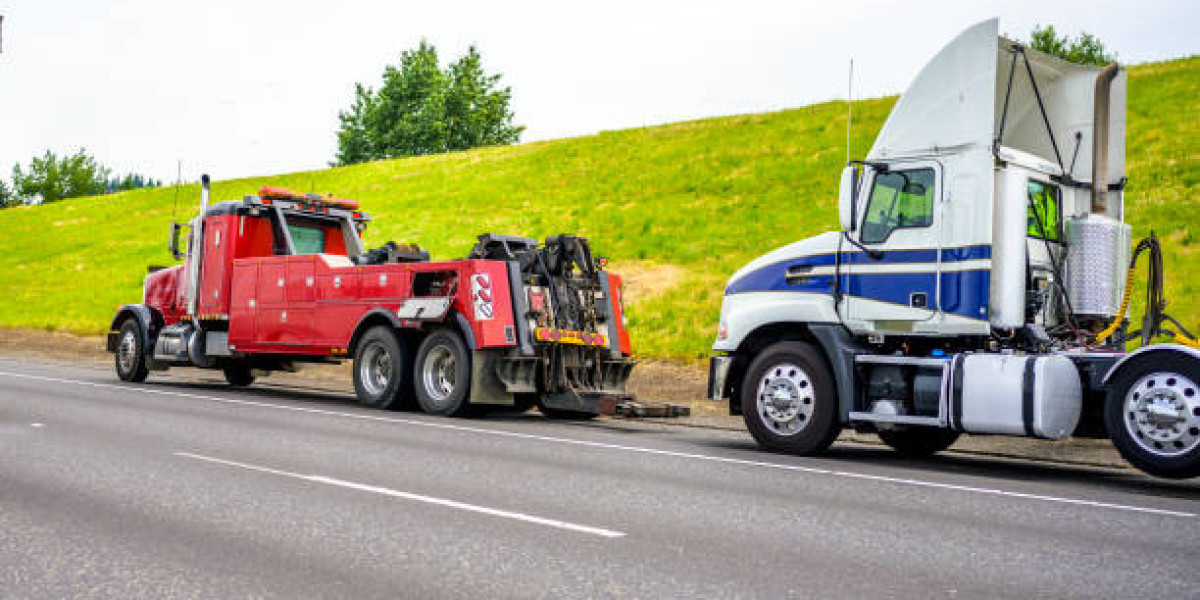

When a commercial truck breaks down, every minute off the road translates into lost revenue, missed deadlines, and frustrated drivers. For fleet owners and independent operators alike, choosing the right repair option is critical. Two common choices are mobile commercial truck repair services and traditional repair shops. While both aim to get your truck back in working condition, they differ significantly in convenience, cost, response time, and overall efficiency. Understanding these differences can help you make the best decision when a breakdown occurs.
Convenience and Location Flexibility
One of the biggest advantages of mobile commercial truck repair is convenience. Mobile repair technicians come directly to your location—whether that’s on the highway, at a loading dock, in a yard, or at a job site. There’s no need to arrange towing or disrupt your schedule to deliver the truck to a shop.
In contrast, shop repairs require the vehicle to be driven—or towed—to a fixed location. If the truck is disabled, arranging a tow can be time-consuming and expensive. Even if the truck can still move, driving it to a shop may pose safety risks or cause further damage. For businesses operating on tight schedules, the flexibility of mobile repair services is a major advantage.
Downtime and Speed of Service
Downtime is one of the most costly aspects of truck repairs. Mobile commercial truck repair services are designed to minimize downtime by responding quickly and performing repairs on-site. Many mobile services operate 24/7, making them ideal for emergencies that occur outside normal business hours.
Repair shops, on the other hand, often operate on set schedules and may require appointments. Once the truck arrives, it may sit in a queue before a technician can begin work. Depending on shop workload, repairs could take hours or even days. For time-sensitive operations, mobile repairs often provide a faster path back to the road.
Cost Considerations
At first glance, shop repairs may appear less expensive because they don’t include a service call fee. However, this comparison can be misleading. When factoring in towing costs, driver downtime, missed loads, and potential penalties for late deliveries, shop repairs can quickly become more expensive.
Mobile commercial truck repair services eliminate towing expenses and reduce downtime, which often results in lower overall costs. While mobile repairs may have a slightly higher labor rate, the savings from faster turnaround and reduced operational disruptions frequently outweigh the difference.
Types of Repairs and Capabilities
Modern mobile repair units are equipped to handle a wide range of commercial truck issues. Common mobile repairs include brake service, air system repairs, electrical diagnostics, lighting issues, battery replacement, coolant leaks, fuel system problems, and minor engine repairs. Preventive maintenance tasks such as inspections and adjustments can also be completed on-site.
Repair shops generally have access to more extensive equipment, such as lifts and specialized diagnostic tools, making them better suited for major engine overhauls, transmission replacements, or complex structural repairs. In cases where extensive work is required, a shop may still be the best option. However, for most roadside and operational issues, mobile repairs are more than sufficient.
Safety and Compliance
Mobile commercial truck repair services improve safety by addressing problems immediately, often at the breakdown location. This reduces the risk of driving an unsafe vehicle or waiting for extended periods on the roadside. Technicians are trained to follow safety protocols and ensure repairs meet industry and DOT standards.
Repair shops also maintain high safety standards, but delays in getting the truck to the shop can increase risk. A truck with faulty brakes, tires, or lights may pose a hazard if driven to a repair facility. Mobile repairs help eliminate this concern by fixing issues where they occur.
Impact on Fleet Operations
For fleet managers, mobile repairs offer greater operational control. Trucks can be serviced during off-hours, between loads, or at fleet yards, reducing disruptions to daily operations. This flexibility allows fleets to maintain productivity while keeping vehicles in compliance.
Shop repairs often require pulling trucks out of service for extended periods, which can disrupt scheduling and reduce fleet availability. For businesses managing multiple vehicles, the cumulative impact of shop-related downtime can be significant.
Customer Experience and Transparency
Mobile commercial truck repair services often provide a more personalized experience. Drivers can speak directly with technicians, understand the issue, and see the repair being performed. This transparency builds trust and ensures clear communication.
In repair shops, communication may pass through service advisors, which can sometimes lead to delays or misunderstandings. While many shops provide excellent service, the process is generally less direct than on-site repairs.
When to Choose Mobile Repairs vs. Shop Repairs
Mobile commercial truck repair is ideal for:
Emergency roadside breakdowns
After-hours or weekend repairs
Preventive maintenance at fleet locations
Situations where towing is costly or impractical
Shop repairs are better suited for:
Major engine or transmission work
Extensive structural or frame repairs
Situations requiring specialized equipment
Conclusion
When comparing mobile commercial truck repairs to shop repairs, the key differences lie in convenience, speed, and overall cost-effectiveness. Mobile repair services excel at minimizing downtime, eliminating towing, and providing fast, on-site solutions that keep trucks moving. Repair shops still play an important role for complex, large-scale repairs, but for most day-to-day and emergency needs, mobile commercial truck repair offers a smarter, more efficient alternative. By choosing the right repair option for each situation, truck owners and fleet managers can protect their investment, maintain safety, and keep their operations running smoothly.