
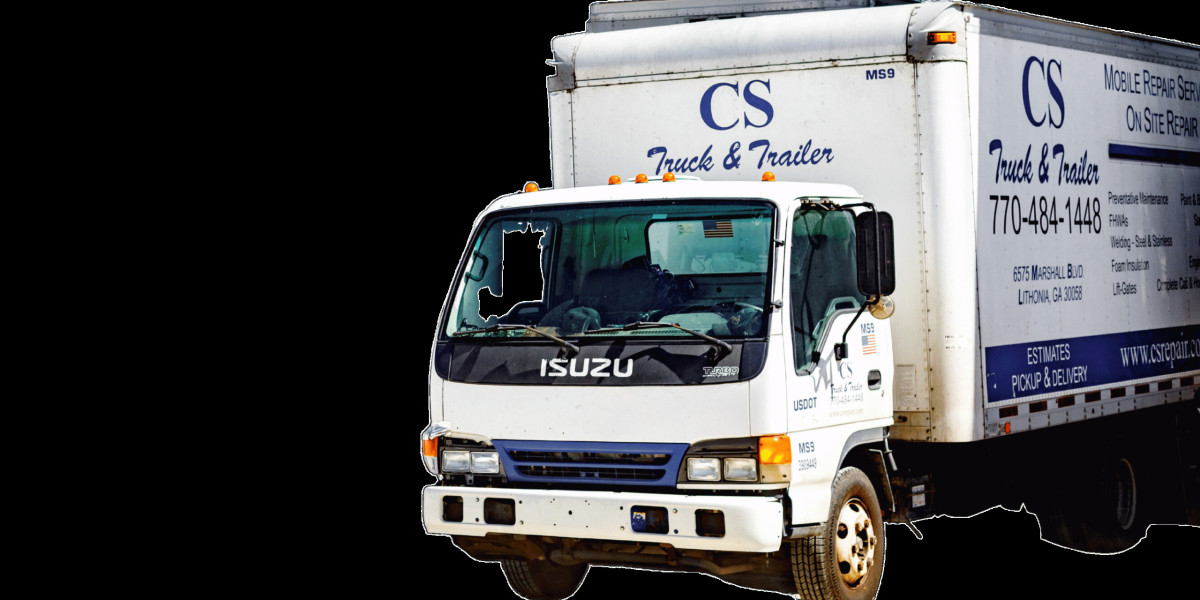

Today, running a trucking company requires keeping an eye on every dollar, mile, and minute. For most owner-operators and fleet managers, controlling fleet operating cost maintenance is the difference between staying profitable and falling behind. Trucks can only earn money when they are on the move, and maintaining them on the road costs more than just gasoline and good drivers; it requires smart and regular maintenance that can prevent major breakdowns in the future.
In this blog, we'll break down the key maintenance factors that directly influence your bottom line, and how working with the right partners like CS Truck & Trailer Repair can help you stay ahead of the curve.
1. Preventive Maintenance vs. Reactive Repairs
The majority of fleet owners are already aware of this: it is always more costly to fix a truck after it has broken down than to avoid the breakdown originally. However, it is maintenance that is often set aside when there is a tight schedule and delivery work is piling up.
Preventive maintenance, such as changes in oil, filters, and regular checks, does not simply keep the truck in good condition but also directly reduces fleet operating cost maintenance by keeping minor issues from turning into downtime or tow bills.
This is one area where many small fleets fall behind bigger competitors who follow strict PM schedules. They’re not smarter, they’re just consistent.
The good news? Any fleet can put a reliable PM routine in place with the right tools and trusted technicians. Shops like CS Truck & Trailer Repair in Atlanta offer complete scheduled maintenance programs that keep trucks compliant, efficient, and ready for the next load.
2. Tires: The Silent Profit Eaters
Tires are usually one of the top three expenses in trucking. But many fleets still run them until they’re bald, misaligned, or under-inflated, all of which quietly drain profit.
● Under-inflation raises fuel expenditure.
● Misalignment reduces tire life and causes stress to steering parts.
● Uneven tread wear is an indication of suspension or braking issues.
A simple tire pressure check can save gallons of fuel every week. And with today’s skyrocketing tire prices, anything that extends tire life helps protect margins. Most fleet managers do not realize the amount of money they lose on rubber annually.
When you plan to save fleet operating cost maintenance, begin with a tire management routine: regular inspections, checking of alignments each time a new set is fitted, and rotation of tires when necessary.
3. Fuel System and Engine Efficiency
Fuel is hands-down the biggest operational expense for most fleets. A well-maintained engine can improve fuel efficiency by 5–10%, which adds up to thousands of dollars per truck each year.
Key items to monitor:
● Clogged air filters
● Poor injector performance
● Old or low-quality engine oil
● Delayed DPF cleaning
● Faulty sensors
● Weak turbo performance
When engines don’t breathe right or burn fuel cleanly, mileage drops fast. Regular diagnostics, fuel system cleaning, and DPF service can help keep engines performing at their best.
4. Brakes and Safety Components
The major cause of roadside violations, unplanned downtime, and expensive repairs is brake issues. But still, many fleets will not fix them till they hear a loud squeal or feeble stopping power.
Brake inspections should catch:
● Air leaks
● Worn pads
● Failing chambers
● Inconsistent brake balance
● ABS faults
Brakes that do not function properly influence tires, suspension, and even fuel economy since the truck is not rolling smoothly. Timely replacement of brake parts ensures the safety of your trucks, avoids breakages, and also unnecessary, costly emergency repairs.
5. Electrical & Diagnostic Systems
Today’s trucks depend on electronics more than ever. Even small electrical faults, like loose wiring or a failing sensor, can trigger warning lights, drop performance, and cause operational delays.
Key components to monitor:
● Batteries
● Alternators
● Starter systems
● Wiring harness integrity
● Sensor condition
● ECU and communication lines
A weak battery can turn into a no-start call. The failure of a sensor can cause regens, bad shifting, or limp-mode. These problems can be detected with regular diagnostic scans before they disrupt an entire delivery schedule.
Most owner-operators do not pay much attention to issues with electricity until they arise as critical. However, it is much cheaper to fix these problems in the initial stages than to cope with late deliveries or cancelled loads.
6. Suspension & Steering
Steering and suspension might not seem like top-priority items, but they quietly influence fuel economy, tire wear, and safety. Bad shocks can ruin a brand-new set of tires. Worn bushings can hurt alignment. Loose steering can lead to DOT violations.
Routine checks should include:
● Shock absorbers
● Kingpins
● Bushings
● Tie rods
● Air ride components
A smooth-riding truck is less expensive to maintain, and drivers are happier, and any fleet owner understands that happier drivers will take good care of equipment and remain in the job longer.
7. The Cost of Downtime
Every minute a truck is in a shop instead of on the road costs money. Downtime affects:
● Revenue
● Load scheduling
● Customer relationships
● Driver morale
● Fuel planning
● Back-office operations
The quickest method of reducing downtime is to avoid the failures that lead to it. This is the reason why having reliable maintenance partners is a good idea. It can be mobile maintenance, roadside services, and regular visits to the shop. A quick and high-quality service will keep you on the right track even when something drops.
Final Thoughts
The reason most fleet owners overlook maintenance is not that they don’t care, but the lack of time to do so. However, fleet operating cost maintenance can be minimized by smart, consistent maintenance, fewer downtimes, and ensuring that all the trucks are hauling instead of spending time in a repair shop.
The smoother trucks consume less fuel, wear out less frequently, and remain within compliance on the road. And by collaborating with a reliable service provider, such as CS Truck and Trailer Repair, you will not only be fixing issues but also create a long-term plan that will strengthen your fleet and make it profitable.