
Moving furniture can be overwhelming, especially when it comes to a dresser that is extra-heavy.
Many people underestimate just how much a solid-wood dresser can weigh, and attempting to move it without proper preparation can lead to serious injuries or damage.
Fortunately, with the right planning, tools, and techniques, even the heaviest dressers can be relocated safely.
Today, we're going to explore practical tips and strategies that make the process manageable and stress-free.
Understanding the Weight Challenge
Before lifting or moving anything, it's important to understand the scale of the challenge. On average, a full-size solid-wood dresser can weigh anywhere between 100 and 200 pounds.
To put that into perspective, it's roughly the same as lifting a small motorcycle or a large washing machine.
Many people don't realize that attempting to lift this much weight improperly can lead to back injuries, strains, or accidents.
A good starting point is knowing dresser weigh. Determining the exact weight of your dresser helps you plan whether you can move it yourself or if you need additional help.
For example, using a bathroom scale can give a rough estimate by weighing each drawer individually and summing the total. This simple step can prevent mistakes and make your move safer.
Clear the Path Before You Lift
One of the most overlooked aspects of moving heavy furniture is preparing the environment. A dresser may be heavy, but it only becomes dangerous if it hits obstacles or if you trip while carrying it.
- Measure doorways, hallways, and staircases before moving the dresser to ensure it fits.
- Remove rugs, furniture, or decorations that could obstruct your path.
- Keep pets and children away from the moving area to avoid distractions or accidents.
By taking a few minutes to prepare your path, you reduce the chances of damage to your home and ensure your own safety.
Empty and Disassemble
Never attempt to move a dresser filled with clothes or items. The extra weight can make a heavy dresser nearly impossible to manage safely.
Start by removing all items from drawers and, if possible, take the drawers out entirely. This step has multiple benefits:
- Reduces the overall weight for easier lifting.
- Prevents drawers from sliding open during the move.
- Minimizes the risk of scratches and dents.
For particularly large dressers, consider moving the drawers separately. Even though it takes a few extra trips, it significantly decreases the risk of injury.
Use the Right Equipment
Heavy lifting without the proper tools is dangerous. To move an extra-heavy dresser safely, make sure you have these essentials:
- Furniture sliders: These are placed under the dresser’s legs to slide it across floors without scratching surfaces.
- Moving straps: Straps help distribute the weight evenly, reducing strain on your back.
- Dolly or hand truck: These are especially useful if you need to move the dresser a long distance or navigate stairs.
Using the right equipment not only makes the process easier but also protects both the mover and the furniture.
Lifting Techniques
Proper lifting is critical when moving a heavy dresser. The key is to lift with your legs, not your back. Bend at your knees, keep your back straight, and maintain a firm grip.
Avoid twisting your body while carrying heavy objects—twisting is a leading cause of back injuries.
For dressers that weigh over 150 pounds, team lifting is the safest option. Having one or two friends assist allows better control and reduces the risk of tipping or dropping the item. Communicate clearly with your partners: decide who will lead and how you will coordinate turns, corners, and stairs.
Protect the Furniture
Even if you are careful, scratches and dents can occur during the move. Protecting the dresser ensures it arrives in good condition.
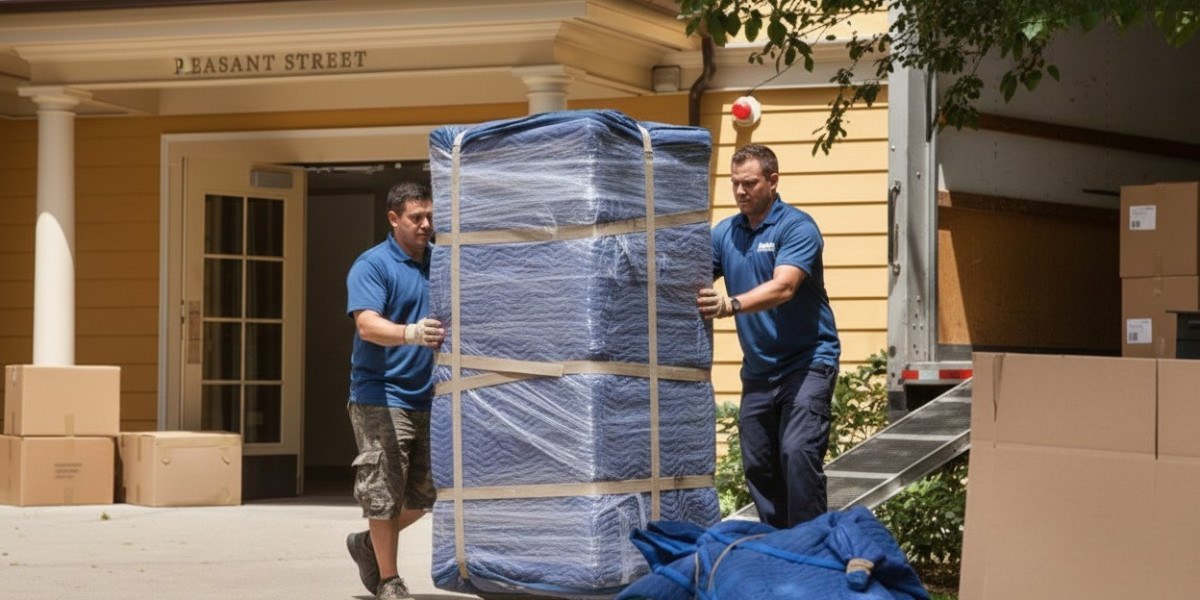
- Wrap the dresser in moving blankets or thick padding.
- Pay attention to corners and edges, which are most vulnerable.
- Secure drawers with tape or remove them entirely.
- If using a dolly, strap the dresser to prevent tipping.
Taking these precautions preserves your furniture's appearance and prevents costly repairs.
Navigating Tight Spaces
Doorways, hallways, and staircases are often the trickiest parts of moving heavy furniture. Patience is key. Sometimes, tilting the dresser or temporarily removing doors can provide just enough clearance.
On stairs, always keep the heavier side of the dresser uphill. This technique gives better control and reduces the chance of tipping.
Loading Into the Truck
Once the dresser is outside your home, careful loading is the next step. Proper placement in the moving truck is crucial:
- Place heavy items on the bottom and lighter ones on top.
- Secure the dresser with straps or ropes to prevent shifting during transit.
- Avoid stacking items on top of the dresser to prevent damage.
Even minor bumps on the road can shift heavy items if they are not properly secured.
When to Consider Professional Help
Moving an extra-heavy dresser can be daunting, especially if you don't have experience or help. This is where a platform like My Good Movers becomes invaluable.
It connects you with verified moving companies, allowing you to compare services, read reviews, and find movers experienced in handling heavy furniture.
Hiring professionals through a trusted platform ensures that you get the right equipment, manpower, and expertise, which reduces stress and minimizes the risk of injury. For many, this is a worthwhile investment when dealing with large or delicate pieces.
Safety Tips to Remember
Even with preparation, safety should always come first. Here are some essential tips:
- Wear gloves to protect your hands from splinters or sharp edges.
- Wear sturdy shoes with a good grip to prevent slips.
- Take breaks if you feel fatigued—tired muscles are more prone to injury.
- Keep children and pets away during the moving process.
- Plan the route carefully and communicate clearly if moving with others.
Following these safety measures makes the entire process smoother and reduces the likelihood of accidents.
Final Thoughts
Moving a heavy dresser doesn't have to be a nightmare. By planning ahead, using proper equipment, lifting correctly, and considering professional help through a platform like My Good Movers, you can make the process safe and efficient.
Understanding dresser weigh, preparing your environment, and taking your time ensures that your furniture and home remain intact.
Ubicación del Autor
1065 SW 8th St #1441 Miami, FL 33130 United States