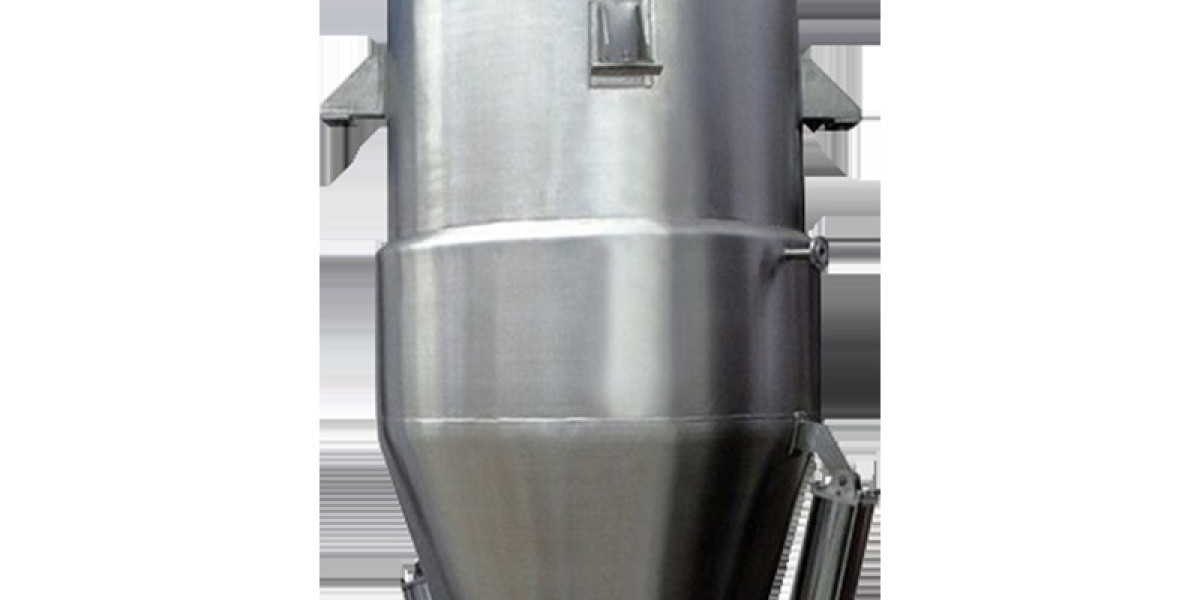

The performance of an extraction process is heavily dependent on the specific engineering and features of the extraction tank employed. A well-designed extraction tank is not a generic vessel but a customized piece of equipment that addresses the physical and chemical demands of the particular materials and solvents involved. Design considerations encompass materials of construction, agitation methods, heat transfer requirements, and integration with ancillary systems. Understanding these design parameters reveals how an extraction tank is optimized for factors like yield, throughput, and product consistency. This analysis explores the critical engineering aspects and common configurations of industrial extraction tanks, concluding that their tailored design is central to process success.
Material selection is the primary engineering decision. The extraction tank must be constructed from materials that resist corrosion from both the feedstock and the solvent over a wide range of temperatures. For most organic solvents and food-grade applications, austenitic stainless steel (AISI 304 or 316L) is the standard. The higher nickel and molybdenum content in 316L stainless steel provides better resistance to chlorides and acidic conditions, making it suitable for more aggressive extraction environments. For highly corrosive processes, special alloys or glass-lined steel may be specified. The interior surface finish of the extraction tank is also important; a polished, electropolished, or sanitary finish minimizes crevices where material can accumulate, aiding in cleanability and preventing cross-contamination between batches.
Agitation and mixing systems are crucial for process efficiency. The design within the extraction tank must ensure the solvent penetrates the solid mass uniformly. Common agitation methods include top-entering mixers with axial flow impellers for gentle blending or radial flow impellers for higher shear. For viscous slurries or heavy solid loads, a bottom-mounted agitator or side-entering mixer might be used. Some extraction tanks employ a pump-around loop, where liquid is continuously withdrawn from the bottom and reintroduced at the top, providing circulation without a mechanical agitator inside the main vessel. The choice of agitation impacts extraction time, energy consumption, and the potential for damaging delicate raw materials inside the extraction tank.
Heat transfer and pressure rating are closely linked to the extraction method. Many extraction tanks are jacketed. A half-pipe coil or dimple jacket allows a heat transfer fluid (steam, hot water, or glycol) to circulate, enabling precise temperature control of the contents. The extraction tank must be rated for the maximum operating pressure of the process, which can range from atmospheric pressure for simple infusions to several hundred psi for pressurized solvent extractions. Vessels designed for supercritical fluid extraction require even higher pressure ratings. Nozzles for instrument connections, manways for access, and robust support legs or skirts are all designed based on the specific duty of the extraction tank.
An extraction tank is a purpose-engineered pressure vessel where chemical process requirements dictate mechanical design. Its effectiveness is determined by the compatibility of its materials, the efficiency of its agitation and heat transfer systems, and its integration with the broader process flow. Therefore, procuring an extraction tank involves detailed process specification to ensure the vessel is fit for its intended service. A correctly specified extraction tank enhances mass transfer, ensures operator safety, meets sanitary standards, and contributes to the overall reliability and profitability of the extraction operation, proving that its design is a direct investment in process performance.
Ubicación del Autor
London, Reino Unido