
When something very scary happens to a person, it can leave marks that last a long time. These marks are not just on the outside. They affect how the brain and body work. This condition is called PTSD, which stands for Post-Traumatic Stress Disorder. Understanding PTSD symptoms helps people recognize when they or someone they love needs help.
What Is PTSD?
PTSD happens after someone goes through a very frightening event. This could be a car crash, a natural disaster, violence, or any event that made them fear for their life. Not everyone who experiences trauma gets PTSD, but many people do.
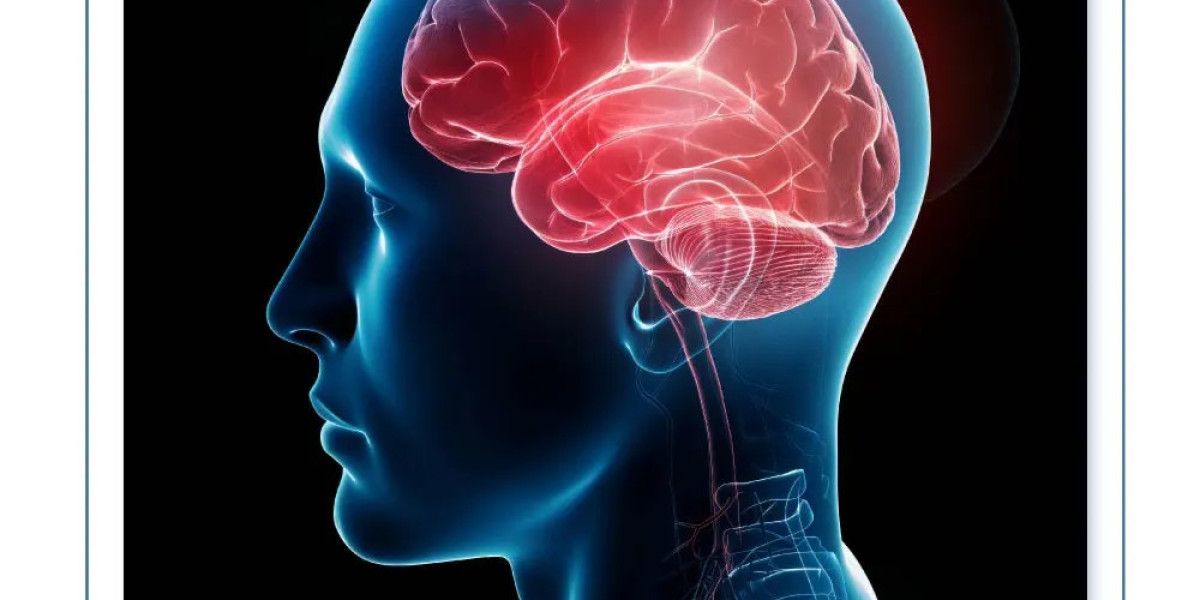
The brain is designed to remember dangerous things so we can avoid them in the future. But sometimes, the brain gets stuck in alarm mode. It keeps reacting as if the danger is still happening, even when the person is safe. This is what causes the symptoms of PTSD.
Reliving the Trauma Over and Over
One of the most common signs is reliving the scary event. This can happen in different ways. Some people have flashbacks where they feel like the trauma is happening again right now. Everything around them might disappear, and they are back in that moment of fear.
Others have nightmares about the event. They wake up scared, sweating, and with their heart beating fast. These bad dreams can happen many nights, making it hard to get good sleep. Without enough rest, everything else in life becomes harder.
Sometimes, small things can trigger these memories. A sound, a smell, or a place might remind the person of the trauma. Suddenly, they feel all the fear again, even though they are in a safe place. These triggers can make daily life feel like walking through a minefield.
Avoiding Reminders of What Happened
People with PTSD symptoms often try hard to avoid anything that reminds them of the trauma. This makes sense because those reminders cause pain and fear. But avoiding things can make life very small.
Someone might stop going to places that remind them of what happened. They might avoid certain people or activities. Some people stop talking about the event completely. They push the memories down and try to pretend everything is fine.
This avoidance can affect relationships. Friends and family might not understand why the person changed so much. The person with PTSD might pull away from people they love because being close feels too hard or unsafe.
Negative Changes in Thinking and Mood
Trauma changes how people think about themselves and the world. Someone with PTSD might start believing they are broken or that bad things always happen. They might feel guilty about what happened, even when it was not their fault.
Many people lose interest in things they used to enjoy. Hobbies that brought happiness now feel empty. It becomes hard to feel happy or excited about anything. Some people feel numb inside, like they cannot feel emotions at all.
Trust becomes difficult. The world feels dangerous, and people seem unsafe. Even loved ones might not feel trustworthy anymore. This can lead to loneliness because it is hard to connect with others when fear is always present.
Negative thoughts can spiral. The person might think "I am not strong enough" or "Nothing good will ever happen to me." These thoughts make everything feel hopeless. Getting out of bed or doing simple tasks can feel impossible.
Always Feeling On Edge
Another major sign is feeling constantly alert and jumpy. The body stays in fight-or-flight mode, always ready for danger. This is exhausting and affects every part of life.
People with PTSD symptoms might startle easily. A loud noise or unexpected touch can make them jump or even panic. They might always be looking around, checking exits, and watching for threats that are not really there.
Sleep problems are common. Some people cannot fall asleep because their mind races with worries. Others wake up many times during the night, always on guard. Without good sleep, the brain and body cannot heal properly.
Anger and irritability often increase. Small frustrations that would not have bothered the person before now cause big reactions. They might snap at loved ones or get angry over little things. This is not because they want to be mean. The stress inside builds up with no good way out.
Concentration becomes difficult. The constant state of alert makes it hard to focus on work, school, or conversations. Memory problems can develop. The brain is so busy watching for danger that it cannot pay attention to normal daily things.
Physical Effects on the Body
PTSD is not just in the mind. It affects the body in real, physical ways. The constant stress puts pressure on all the body's systems. Many people develop headaches that will not go away. Stomach problems are common, including pain, nausea, and digestive issues. The stress hormones in the body can cause these physical symptoms.
The heart might race for no clear reason. Breathing can become fast and shallow, leading to feeling dizzy or faint. Some people have chest pain that feels scary, even though their heart is healthy.
Muscle tension is very common. Shoulders stay tight, jaws clench, and the whole body feels sore. This tension can lead to chronic pain over time. The body is always ready to run or fight, so it never fully relaxes.
The immune system can weaken. When stress hormones flood the body all the time, it becomes harder to fight off sickness. People with PTSD symptoms might get sick more often than they used to.
How PTSD Affects Daily Life
All these symptoms together make normal life very challenging. Work or school performance often suffers. It is hard to do a good job when you cannot sleep, concentrate, or control your emotions.
Relationships struggle under the weight of PTSD. Partners, children, and friends might not understand what is happening. They might feel hurt when the person pulls away or gets angry. Without help, relationships can break down completely.
Some people turn to alcohol or drugs to numb the pain. This creates new problems on top of the PTSD. Substance use might seem to help at first, but it makes everything worse in the long run.
Daily activities that used to be automatic become difficult. Grocery shopping might be overwhelming because of crowds. Driving might trigger panic. Even staying home alone can feel unsafe. Life becomes a series of things to survive rather than enjoy.
Children and PTSD
Kids can get PTSD too, but their symptoms might look different. Young children might start wetting the bed again or become very clingy. They might act out the trauma through play, drawing scary pictures over and over.
Older children and teens might become angry and rebellious. Their grades might drop. They might start getting in trouble or pulling away from family.
Hope and Healing Are Possible
Understanding these symptoms is the first step toward healing. PTSD is not a sign of weakness. It is a normal response to abnormal, frightening events. The brain and body are trying to protect the person, even though the danger has passed.
Treatment works. With the right help, people can learn to manage their symptoms and feel better. Therapy helps the brain process the trauma in healthy ways. Medications can ease some symptoms and make daily life more manageable.
Support from loved ones matters greatly. When people understand what PTSD looks like, they can be more patient and helpful. Recovery takes time, but it is possible.
If you or someone you care about shows these signs, reaching out for help is important. No one should suffer alone. Professional support can make a real difference in reclaiming a life of peace and happiness after trauma.