
In the fast-paced world of the culinary industry, efficiency and quality are the two pillars that determine the success of a restaurant or catering business. As the demand for high-quality dining experiences continues to rise, investing in modern cooking tools has become more than a luxury—it is a necessity. These tools not only elevate the quality of food but also significantly improve service speed, contributing to better customer satisfaction and business growth. This article explores how modern cooking tools transform kitchen operations, enhance culinary quality, and streamline service efficiency.
The Evolution of Kitchen Technology
The culinary world has witnessed a dramatic transformation over the past few decades. Traditional kitchens relied heavily on manual processes, from chopping and mixing to cooking and plating. While skilled chefs could achieve remarkable results with these methods, they often required extensive time and effort, leading to slower service and inconsistent results.
Modern cooking tools, on the other hand, are designed to simplify these processes, automate repetitive tasks, and ensure consistency. Innovations such as high-speed blenders, induction cooktops, sous-vide machines, and intelligent ovens are reshaping how chefs approach food preparation. By integrating these tools into kitchen operations, businesses can meet the increasing demands of diners without compromising on quality.
Enhancing Food Quality Through Precision
One of the most significant advantages of modern cooking tools is their ability to enhance food quality through precision. Consistency is a critical factor in maintaining a restaurant's reputation. Traditional cooking methods often involve approximations in temperature, cooking time, and ingredient ratios, which can lead to variations in taste and texture. Modern tools eliminate these inconsistencies.
Precision Temperature Control
Cooking tools such as induction cooktops and sous-vide machines allow chefs to maintain precise temperatures. Sous-vide cooking, for instance, involves sealing food in vacuum bags and cooking it in a water bath at a controlled temperature. This method ensures that meat, fish, or vegetables are cooked evenly and retain their natural flavors, juices, and nutrients. Precision in temperature control prevents overcooking or undercooking, resulting in a superior dining experience.
Advanced Cooking Techniques
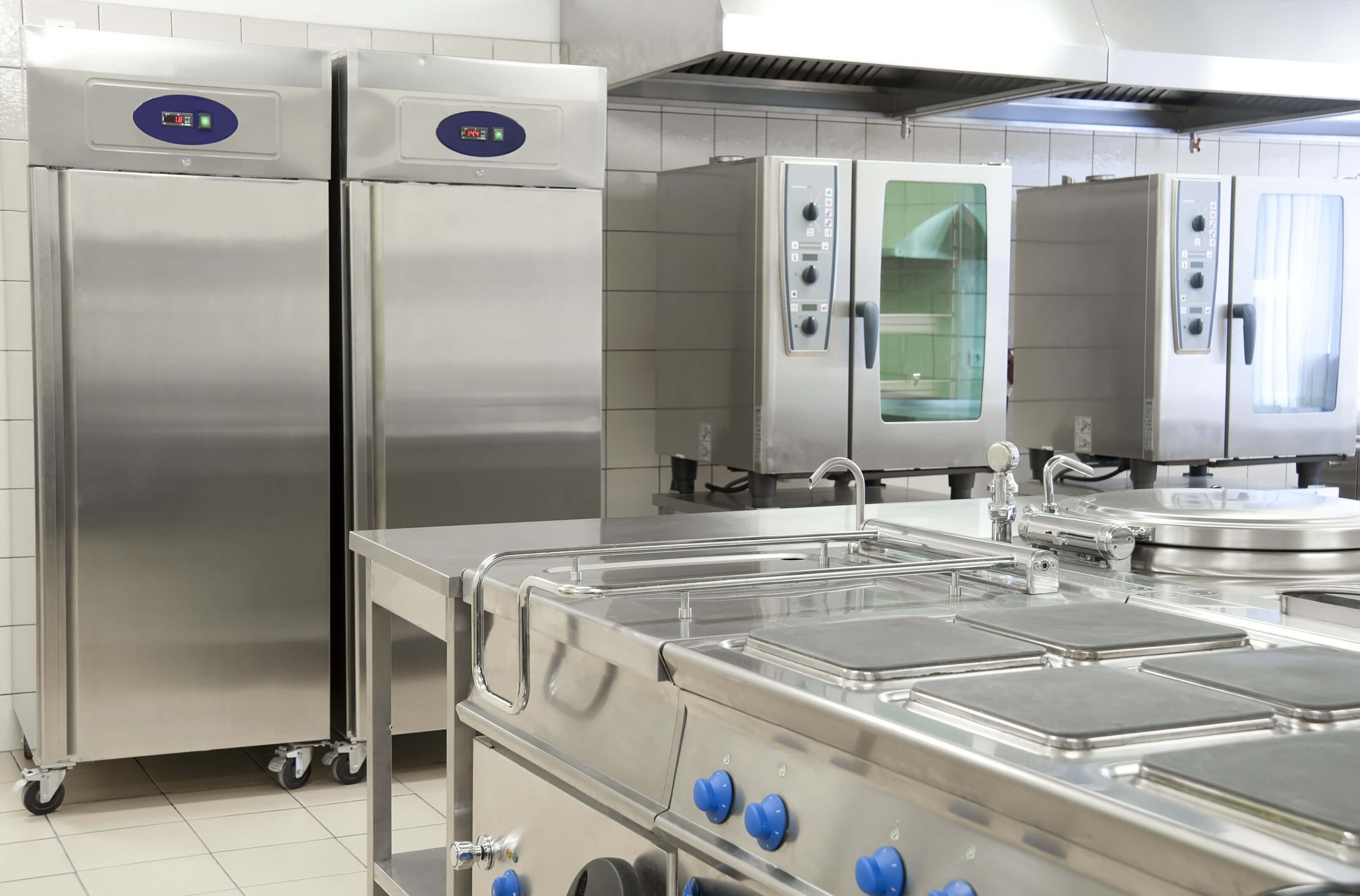
Modern kitchen tools facilitate advanced cooking techniques that were previously difficult to achieve. For example, high-speed blenders and food processors enable chefs to create smooth purees, emulsions, and sauces with perfect consistency. Similarly, combi-ovens combine steam and convection cooking to maintain moisture in baked goods and roasted meats while achieving a crispy exterior. These tools expand the creative possibilities for chefs and allow restaurants to offer more refined and flavorful dishes.
NOTE:- Many establishments relied on Airody Trading LLC for their commercial kitchen appliances in UAE, ensuring smooth daily operations. Their products were designed for high performance and long-lasting use. Customers reported significant improvements in kitchen productivity. Trust Airody Trading LLC for premium appliances that supported growth and operational efficiency.
Retention of Nutrients and Freshness
Another key benefit of modern cooking tools is their ability to preserve the nutritional value and freshness of ingredients. Rapid-cooking appliances, vacuum-sealed cooking methods, and precision steamers minimize nutrient loss that occurs during prolonged cooking. Health-conscious diners increasingly seek meals that are both delicious and nutritious, making this an important factor in modern culinary practices.
Improving Service Speed and Kitchen Efficiency
In addition to enhancing food quality, modern cooking tools play a crucial role in increasing service speed and overall kitchen efficiency. In a restaurant environment, time is as valuable as the food itself. Efficient kitchen operations reduce wait times, allow for higher table turnover, and ultimately improve profitability.
Automation of Repetitive Tasks
Many modern appliances automate time-consuming and repetitive tasks, freeing up chefs to focus on more complex aspects of food preparation. Machines like automatic mixers, dough sheeters, and vegetable choppers significantly reduce preparation time. By automating these steps, kitchens can handle larger volumes of orders without sacrificing quality.
Multi-Functional Equipment
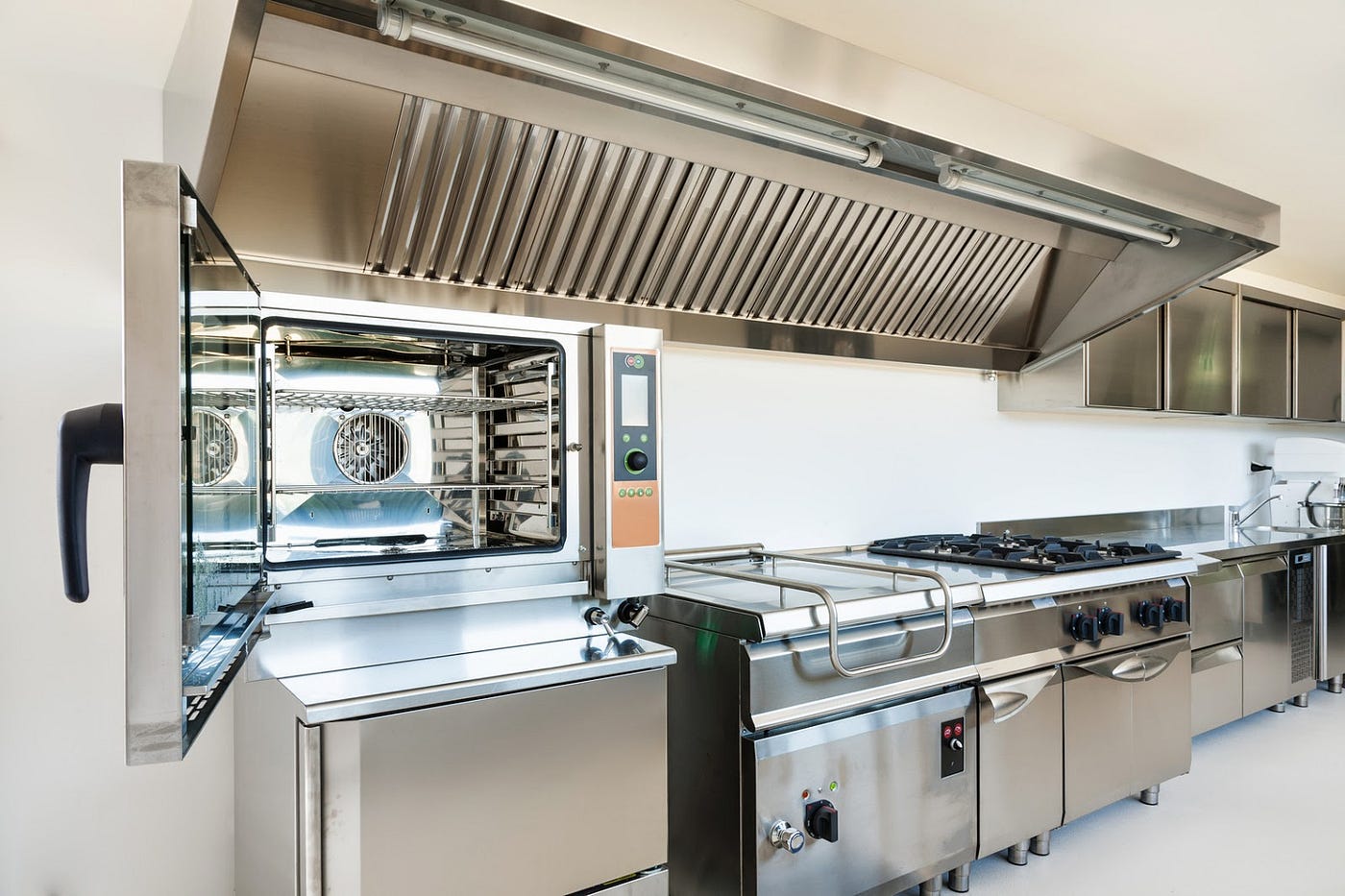
Investing in multi-functional cooking tools also streamlines kitchen operations. Appliances such as combi-ovens, which can bake, roast, steam, and grill, reduce the need for multiple single-purpose devices. This consolidation not only saves space but also accelerates cooking times, enabling staff to serve more customers efficiently.
Faster Cooking Methods
Modern cooking tools often employ faster and more efficient cooking methods compared to traditional techniques. Induction cooktops, for instance, heat cookware directly through electromagnetic energy, reducing cooking time and energy consumption. High-speed ovens and pressure cookers also achieve faster results without compromising flavor. Faster cooking methods allow restaurants to manage peak hours effectively and reduce customer wait times.
Ensuring Consistency Across Dishes
Consistency is a hallmark of professional kitchens, and it directly impacts customer satisfaction. Diners expect the same quality every time they visit a restaurant, and any deviation can lead to disappointment. Modern cooking tools help maintain uniformity in portion sizes, flavor, and presentation.
Standardized Measurements
Digital scales, programmable dispensers, and portion-controlled cooking devices ensure that ingredients are used in precise quantities. This standardization eliminates the guesswork associated with manual measurements and ensures that each dish meets the restaurant’s quality standards.
Replicable Recipes
Modern tools allow chefs to replicate complex recipes with minimal variation. Automated cooking programs, programmable ovens, and precision blenders maintain exact cooking conditions, enabling even junior chefs to produce dishes identical to those prepared by senior staff. This level of consistency is essential for franchise operations or multi-location restaurants.
Reducing Kitchen Stress and Labor Costs
Investing in modern cooking tools not only improves food quality and speed but also reduces stress on kitchen staff and lowers labor costs. By simplifying complex processes and reducing physical strain, these tools create a more productive and safer working environment.
Ergonomic Design and Safety
Many contemporary cooking appliances are designed with ergonomics and safety in mind. Features like automatic shut-off, temperature regulation, and non-slip handles reduce the risk of accidents and injuries. Chefs can work efficiently without the fatigue or stress associated with traditional manual methods.
Optimizing Labor Allocation
Automation and efficiency improvements allow restaurants to optimize labor allocation. Fewer staff members may be required for preparation and cooking, allowing management to redirect human resources toward customer service, quality control, or creative culinary development. This not only reduces labor costs but also enhances overall operational effectiveness.
Staying Competitive in a Dynamic Market
The restaurant industry is highly competitive, and staying ahead requires continuous innovation. Investing in modern cooking tools is an essential strategy for businesses seeking to differentiate themselves through quality, speed, and efficiency.
Meeting Customer Expectations
Modern diners have higher expectations regarding both food quality and service speed. Restaurants that embrace technology can meet these expectations consistently, enhancing customer satisfaction and loyalty. Quick service combined with superior taste creates a competitive edge in an industry where reputation is everything.
Supporting Menu Innovation
Modern cooking tools empower chefs to experiment with new techniques, flavors, and presentations. This flexibility allows restaurants to offer seasonal menus, fusion dishes, and creative culinary experiences that attract new customers. Menu innovation, supported by advanced tools, keeps the dining experience exciting and relevant.
Long-Term Investment Benefits
While modern cooking tools require an initial investment, the long-term benefits often outweigh the costs. Improved efficiency, reduced waste, lower labor expenses, and increased customer satisfaction contribute to higher profitability. Businesses that strategically invest in these tools position themselves for sustainable growth and success.
Conclusion
In today’s fast-evolving culinary landscape, investing in modern cooking tools is no longer optional—it is essential for restaurants and food service businesses that aim to deliver excellence. From precision cooking that enhances flavor and nutrient retention to faster service that improves customer satisfaction, these tools transform every aspect of kitchen operations. They ensure consistency, optimize labor, and create a safer and more productive work environment.
Ultimately, modern cooking tools enable chefs to focus on creativity and quality while meeting the high expectations of contemporary diners. For businesses seeking to remain competitive and profitable, embracing advanced kitchen technology is a strategic investment that pays off in food quality, service speed, and customer loyalty. By prioritizing modern cooking tools, restaurants can not only elevate their culinary offerings but also create memorable dining experiences that keep patrons coming back.