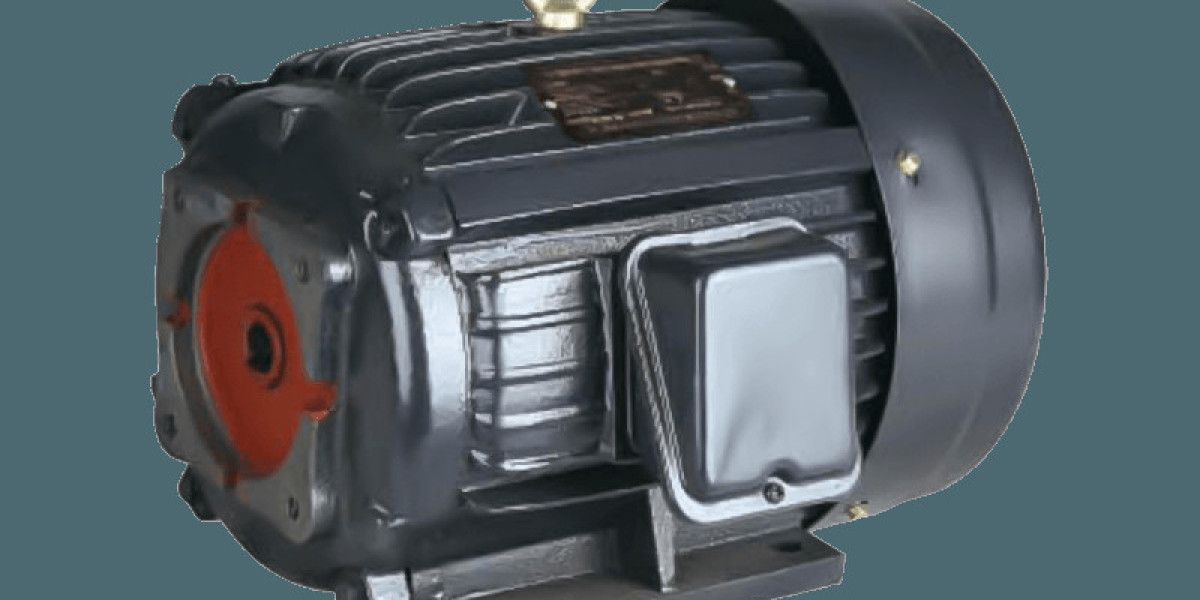

While the squirrel-cage induction motor is the many prevalent, the family of three phase motors includes several other important types, each with distinct construction features and performance profiles suited to specific applications. Beyond the standard induction motor, engineers can select from wound-rotor, synchronous, and other specialized designs. The construction of any three phase motor is a deliberate process aimed at optimizing electromagnetic performance, thermal management, and mechanical durability for its intended service. Furthermore, the raw power of a three phase motor must be harnessed through a suite of control and protection devices to ensure safe, efficient, and flexible operation. Understanding these variations and the associated control systems is key to deploying three phase motor technology effectively.
A significant variant is the wound-rotor induction motor. Unlike the simple squirrel-cage rotor, this design features a rotor with three-phase windings connected to slip rings on the shaft. External resistors can be connected to these slip rings via brushes. Adding resistance at startup provides very high starting torque with reduced inrush current, making this three phase motor ideal for applications like cranes, hoists, and large compressors that must start under heavy load. Once the motor is up to speed, the external resistance is gradually cut out. Another key type is the three phase synchronous motor. Its rotor is energized with direct current (DC), creating fixed magnetic poles that "lock" to the rotating stator field, causing the rotor to turn at exactly the synchronous speed. These motors are used where constant speed is critical and can also act as power factor correctors for an electrical system, improving overall grid efficiency.
The physical construction of a three phase motor is designed for longevity. The stator core is made from thin laminations of electrical steel to minimize eddy current losses, with copper or aluminum windings precisely inserted into the slots. The rotor construction varies by type but is also laminated. The entire assembly is housed in a robust frame, typically cast iron or aluminum, which provides mechanical support and aids in heat dissipation. Cooling is achieved through an integrated fan and ventilation passages. Bearings at each end of the shaft support the rotor and are selected based on the load and speed. Enclosure types, such as Open Drip-Proof (ODP) or Totally Enclosed Fan-Cooled (TEFC), are chosen based on the operating environment to protect the motor from contaminants, moisture, or explosive atmospheres.
Control and protection are integral to a three phase motor system. A motor starter is the primary control device, providing functions like start/stop and overload protection. A simple contactor-based starter includes overload relays that monitor current and will trip if the motor draws excessive current for too long, preventing burnout from mechanical overloads. For more advanced control, Variable Frequency Drives (VFDs) have become standard. A VFD converts incoming AC power to DC and then synthesizes a variable-frequency, variable-voltage three phase output. This allows precise control of the motor's speed and torque, leading to significant energy savings in applications like pumps and fans where flow is controlled by speed rather than throttling. Protection extends to monitoring temperature with embedded sensors and providing phase-loss protection to prevent single-phasing, a condition that can rapidly damage a three phase motor.
The world of three phase motors is diverse, encompassing multiple designs tailored for different starting and running characteristics. The robust construction of these motors ensures they can endure the rigors of industrial environments for decades. However, their full potential is only realized when paired with the correct control methodology, from basic starters to sophisticated VFDs. This combination of versatile motor designs and adaptive control systems allows the three phase AC motor to meet an extraordinary range of industrial demands, from providing constant-speed power to enabling precise, energy-efficient process control. The continuous refinement of materials, insulation systems, and integrated electronics ensures the three phase motor system remains a dynamic and evolving cornerstone of electromechanical power transmission.
Ubicación del Autor
London, Reino Unido