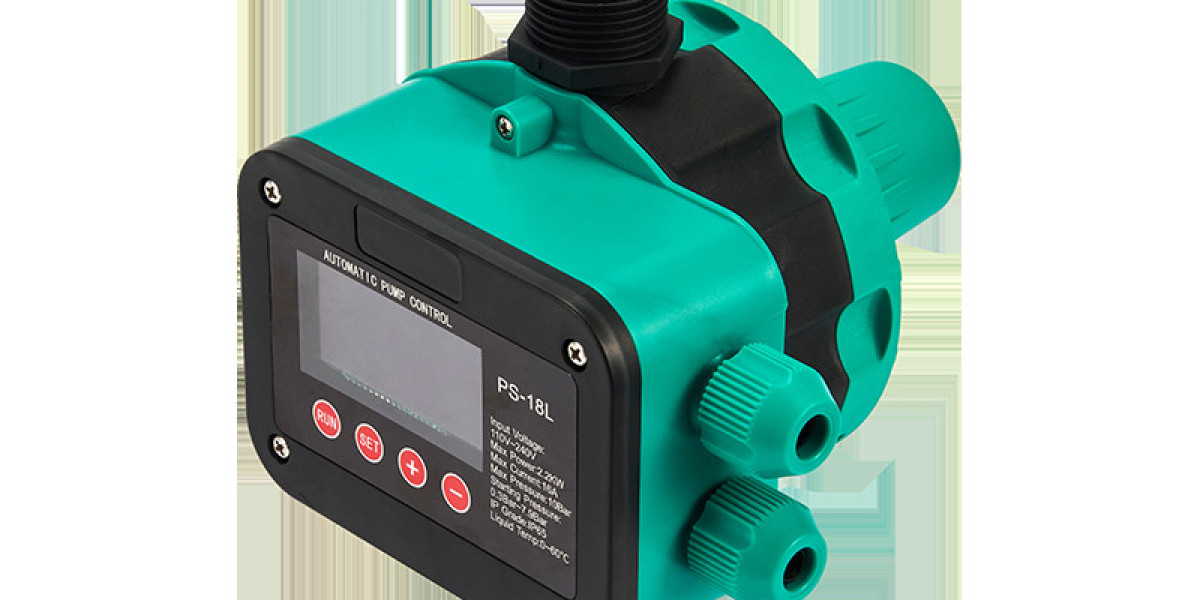

The pump pressure switch finds its purpose across a diverse spectrum of applications, each with unique demands on performance and reliability. Its integration into a fluid system is more than just a connection in the line; it is a central decision point that influences overall system behavior. From ensuring a steady water supply in a home to managing complex industrial processes, the correct implementation of this switch is key. However, as a mechanical-electrical interface subject to constant cycling and system pressure fluctuations, it can also be a point of failure. Understanding its role in common systems and knowing how to diagnose problems are essential skills for maintenance technicians, plumbers, and engineers working with pumped fluid systems.
In residential and commercial water systems, the pump pressure switch is a ubiquitous component. For homes with a private well, the switch is typically mounted on the pressure tank. It monitors the tank's air/water pressure, activating the submersible or jet pump when water use causes pressure to drop. In municipal booster pump stations, multiple pressure switches may be used in conjunction to stage multiple pumps, bringing them online sequentially as demand increases to maintain constant line pressure. In irrigation systems, a pressure switch can protect the pump from running dry by shutting it off if pressure drops too low, indicating a possible break in the line or loss of water source. In these applications, the switch directly controls daily convenience and resource management.
Industrial and process applications place heavier demands on the pump pressure switch. In hydraulic power units, the switch maintains oil pressure for machinery, ensuring consistent force for clamps, presses, or actuators. In chemical dosing systems, a precise pressure switch can signal a metering pump to start or stop based on line pressure, which correlates with flow demand. For fuel transfer or lubrication systems, pressure switches provide critical safety interlocks, preventing a pump from operating if system pressure is already adequate or if a blockage exists. These industrial switches often feature higher durability contacts, wider adjustment ranges, and materials compatible with aggressive fluids. Their integration often involves connecting to a Programmable Logic Controller (PLC), where the switch's signal becomes one data point in a larger automated sequence.
When a pumped system malfunctions—experiencing issues like short cycling, failure to start, or failure to reach pressure—the pump pressure switch is a primary suspect. Troubleshooting begins with a mechanical check: is the switch's pressure sensing port clogged with debris or sediment? Is the diaphragm or piston stuck? Next, electrical testing is performed with the power safely disconnected; checking for continuity across the contacts at different pressure levels can reveal if the snap-action mechanism has failed. Adjustment issues are also common; a drifted or incorrectly set cut-in pressure may be below the system's static head, preventing the pump from ever starting. A lost differential can cause rapid, damaging cycling of the pump motor. Often, simply cleaning the sensor port or recalibrating the settings can restore proper switch and pump system function.
The pump pressure switch is a versatile sentinel, adaptable to systems ranging from the simple to the highly complex. Its application dictates its specifications, from the corrosion resistance of its housing to the electrical capacity of its contacts. Successful integration requires an understanding of the system's pressure dynamics and the pump's performance curve. When problems arise, a logical diagnostic approach focused on the switch's mechanical operation and electrical function can quickly identify if it is the culprit. As a component that directly impacts system reliability, energy use, and equipment lifespan, the proper application and maintenance of the pump pressure switch remain a critical aspect of effective fluid system design and operation across all fields.
Ubicación del Autor
London, Reino Unido