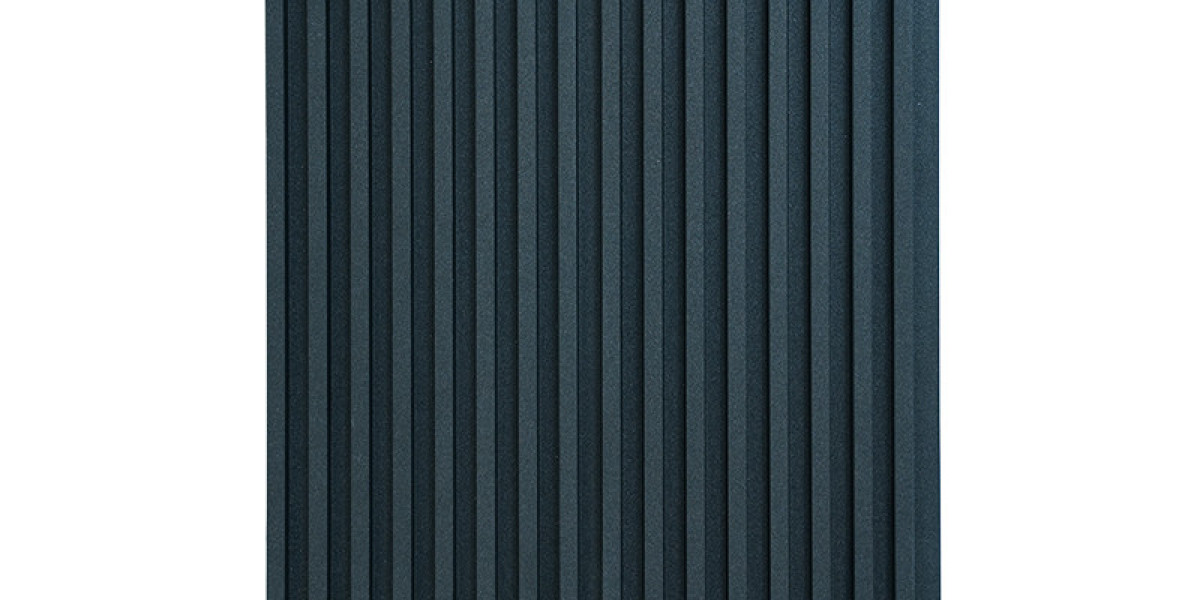

The decision to use WPC wall panel indoor products brings with it practical considerations for installation and opens up a spectrum of design applications. Unlike wet trades like tiling or complex carpentry, installing WPC panels is often a cleaner, drier process suited to various skill levels. Furthermore, the inherent properties of the material make it suitable for specific rooms and design challenges where other materials might fail. Understanding the installation methodology and the breadth of potential indoor applications is crucial for architects, contractors, and homeowners to fully utilize the capabilities of this composite wall cladding and achieve the desired aesthetic and functional outcome.
The installation process for indoor WPC wall panels is typically designed for efficiency. Most systems are installed as a floating cladding over the existing wall substrate, which can be drywall, plaster, or even concrete, provided it is relatively flat and stable. A common method involves first attaching horizontal or vertical furring strips (battens) to the wall to create a level, ventilated cavity. The WPC panels, which often come in long lengths with integrated interlocking edges, are then clicked or fastened to these battens. Some clip systems allow for hidden fasteners, creating a seamless look. The panels can be cut with standard woodworking tools like a saw, making fitting around outlets, windows, and corners manageable. This dry-install system means projects can be completed quickly without the drying time required for adhesives or mortar, minimizing disruption in a home or business.
The indoor applications for WPC wall panels are diverse, driven by the material's moisture resistance and durability. The most obvious application is in wet areas. In bathrooms and shower surrounds, WPC panels provide a completely waterproof surface that is immune to mold and mildew growth on the cladding itself. In kitchens, they make an excellent backsplash, protecting the wall from splashes and grease while being easy to wipe clean. Basements, which are prone to dampness, benefit from WPC cladding as it will not degrade in a humid environment. Beyond wet areas, WPC is used to create accent walls in living rooms or bedrooms, adding texture and warmth. In commercial settings like restaurants, cafes, or retail shops, WPC wall panels offer a durable and attractive wall surface that can withstand frequent cleaning and high customer traffic.
From a design perspective, WPC wall panel indoor systems offer significant flexibility. The variety of available finishes allows them to support numerous interior styles. For a coastal or Scandinavian look, whitewashed wood-effect panels can brighten a space. For an industrial loft aesthetic, panels with a dark wood grain or a concrete finish are effective. The consistent coloration and texture of the panels enable the creation of large, uniform feature walls without the visual breaks of grout lines or the variation of natural stone. Designers can also play with orientation; panels can be installed vertically to lift the ceiling height, horizontally to widen a room, or even in geometric patterns like herringbone for a more dynamic effect. This adaptability makes WPC a tool for both broad-surface coverage and targeted decorative statements.
The utility of WPC wall panel indoor products extends from their straightforward installation to their wide-ranging suitability for different spaces. The dry, batten-based installation method makes them accessible for renovations and new builds alike. Their core properties naturally guide their use to areas where moisture, hygiene, and durability are priorities, but their aesthetic range allows them to transcend purely utilitarian roles. By enabling both practical problem-solving and creative expression, indoor WPC wall panels have established themselves as a multifunctional design element, capable of enhancing the resilience and visual appeal of indoor environments across residential and commercial projects.
Ubicación del Autor
London, Reino Unido