
Skin tags are small, benign growths that appear on the skin, often in areas where the skin folds or experiences friction. They are generally harmless but can cause cosmetic concerns or discomfort when irritated. If you notice these tiny growths appearing on your body or someone else’s, you may wonder: Are skin tags contagious? In this article, we’ll explore everything you need to know about skin tags, their causes, treatment options, and ways to prevent them.
What Are Skin Tags?
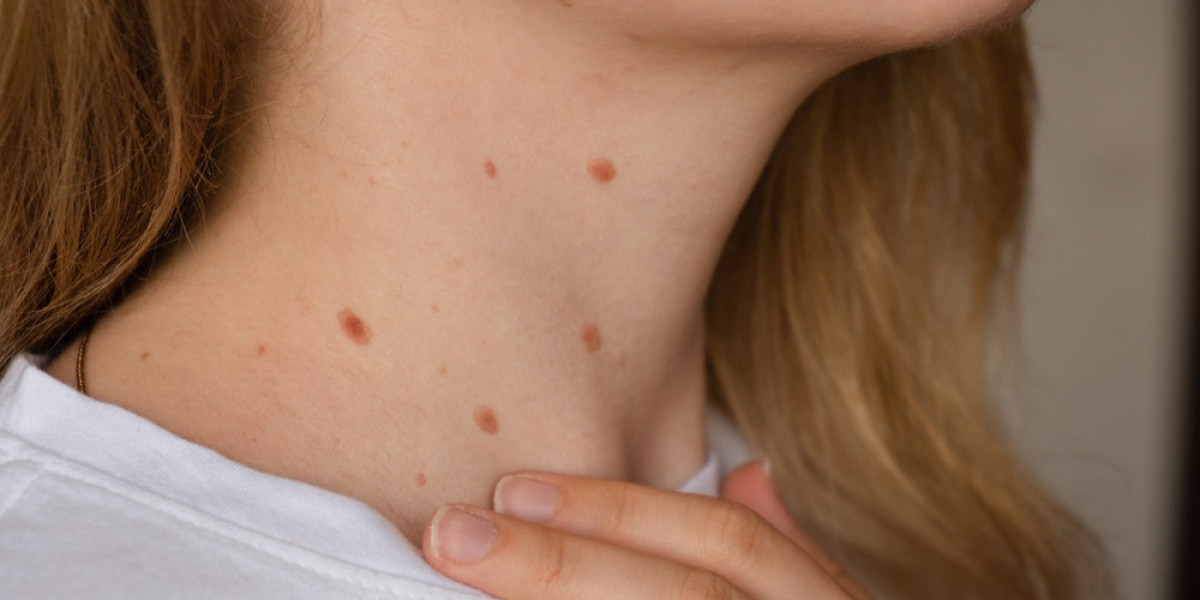
Skin tags, medically known as acrochordons, are soft, small pieces of skin that hang off the surface of the skin. They are usually flesh-colored or slightly darker and can vary in size from a few millimeters to over a centimeter. Skin tags commonly appear on areas where skin rubs against skin or clothing, such as the neck, underarms, eyelids, groin, and under the breasts.
Despite their appearance, skin tags are not dangerous. They are made up of collagen fibers, blood vessels, and sometimes a small amount of fat. Many people notice skin tags developing over time, especially as they age or if they experience weight fluctuations.
Causes of Skin Tags
While the exact cause of skin tags is not fully understood, several factors contribute to their formation:
Friction: Repeated rubbing of the skin, such as under the arms or around the neck, can trigger growths.
Hormonal Changes: Pregnancy or hormonal imbalances may increase the likelihood of developing skin tags.
Genetics: A family history of skin tags can make you more prone to them.
Medical Conditions: Conditions like diabetes or obesity are associated with higher skin tag occurrence.
It's worth noting that skin tags are not caused by infections or bacteria, which is why the question of contagion arises.
Are Skin Tags Contagious?
The short answer is no—skin tags are not contagious. They do not spread through physical contact, activity, or sharing personal items such as towels or clothing. Unlike warts, which are caused by the human papillomavirus (HPV), skin tags are benign growths that result from skin friction and genetic factors, not infections.
Understanding this distinction is important for health and wellness. Many people mistakenly worry that skin tags can be “caught” from someone else, but rest assured, this is not the case. Skin tags develop individually, and their presence on one person does not indicate an underlying infectious risk to others.
Risk Factors for Skin Tags
Although skin tags themselves are harmless and not contagious, certain factors make some individuals more likely to develop them:
Obesity or overweight: Excess skin folds create friction-prone areas.
Age: Skin tags become more common as people age, particularly after 40.
Diabetes or insulin resistance: People with metabolic conditions may notice higher rates of skin tags.
Pregnancy: Hormonal changes and weight gain during pregnancy can trigger new growths.
Recognizing these risk factors can help you take proactive steps to prevent additional skin tags from forming.
How Skin Tags Are Diagnosed
Skin tags are usually diagnosed through a simple visual examination by a dermatologist. They are soft, small, and often pedunculated (having a small stalk). Unlike other skin growths, they are painless unless irritated by friction or jewelry.
In rare cases, if a skin tag looks unusual—changing color, bleeding, or growing rapidly—your doctor may perform a biopsy to rule out malignancy. For most people, diagnosis is straightforward and does not require invasive tests.
Treatment Options for Skin Tags
Although skin tags are harmless, some individuals choose to remove them for cosmetic reasons or to prevent irritation. Several treatment options exist:
Cryotherapy: Freezing the skin tag with liquid nitrogen.
Excision: Cutting the skin tag off with a sterile scalpel or scissors.
Ligation: Tying off the skin tag at its base to cut off blood flow, causing it to fall off.
Over-the-counter solutions: Available creams or patches designed to remove skin tags at home.
It is recommended to consult a dermatologist before attempting removal, especially for tags in sensitive areas like the eyelids.
Preventing Skin Tags
While you cannot completely prevent skin tags, reducing friction and maintaining healthy skin can minimize the likelihood of new growths:
Maintain a healthy weight to reduce skin folds.
Keep skin clean and dry, particularly in areas prone to friction.
Wear loose-fitting clothing to reduce chafing.
Monitor skin changes and consult a dermatologist for unusual growths.
Interestingly, the discussion of Calories In Mayo provides a unique analogy here. Just as monitoring your dietary intake—like Calories In Mayo—helps maintain overall health and prevent weight-related skin concerns, paying attention to skin care and friction management helps reduce skin tag formation.
When to See a Doctor
Most skin tags do not require medical attention. However, you should consult a healthcare professional if you notice:
Rapid growth or changes in color or texture.
Bleeding or pain when irritated.
Signs of infection such as redness, swelling, or pus.
Prompt evaluation ensures that a skin tag is indeed benign and not a more serious skin condition.
Conclusion
Skin tags are a common, benign skin condition that many individuals encounter throughout life. The good news is that they are not contagious, and their presence does not pose a risk to others. While they are harmless, understanding the causes, risk factors, and treatment options can help you manage them effectively. By maintaining healthy habits, such as managing weight, reducing friction, and consulting dermatologists for unusual growths, you can protect both your skin and your overall health and wellness.
Additionally, just as careful dietary choices—like monitoring Calories In Mayo—play a role in physical health, attention to skin care and prevention strategies can minimize skin tag formation. Remember, knowledge and proactive care are your best tools for keeping your skin healthy, comfortable, and confident.