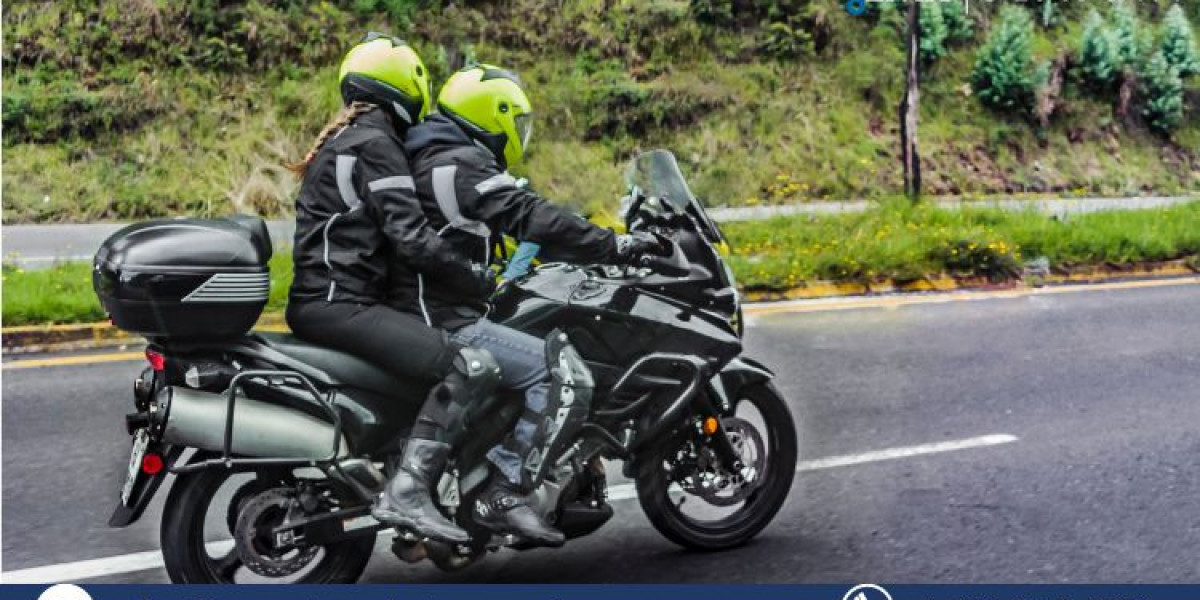

The global adventure motorcycle market was valued at USD 40.84 billion in 2025 and is expected to grow at a CAGR of 8.70% during 2026–2035, reaching USD 94.05 billion by 2035. Demand is rising as adventure tourism expands, riders shift toward versatile bikes that handle both highways and rough terrain, and manufacturers introduce more accessible mid-capacity models. A major tailwind is improved fuel economy in newer 250cc–500cc adventure motorcycles, which appeals to budget-conscious solo travellers and rental operators, supporting repeat purchases across Europe and Southeast Asia’s key adventure tourism hubs.
Why Demand Is Rising
Adventure tourism is becoming mainstream
Motorcycle travel is increasingly tied to experience-led tourism, with more riders planning multi-day road trips, cross-border routes, and off-road excursions. Regions with established touring circuits and rental ecosystems are seeing higher sales and stronger aftermarket demand for accessories, maintenance, and upgrades.
Mid-capacity bikes are widening the customer base
Earlier, adventure motorcycles often skewed premium and heavy. The rise of 250cc–500cc models is bringing in first-time adventure riders, younger consumers, and riders upgrading from commuter bikes. These models are easier to handle, more practical for everyday use, and typically cheaper to buy and maintain than large-capacity machines.
Fuel economy is a clear purchase trigger
Better fuel efficiency in the 250cc–500cc segment is improving total cost of ownership. This matters to solo travellers planning long-distance rides and to rental operators where fuel costs affect profitability and customer satisfaction. Stronger mileage, combined with reliable performance, is helping these motorcycles become the default choice for guided tours and rental fleets in cost-sensitive markets.
Product upgrades are improving comfort and safety
Manufacturers are investing in touring-ready features such as improved suspension travel, better wind protection, enhanced riding ergonomics, traction control, switchable ABS, and stronger luggage compatibility. This makes adventure motorcycles more usable for long rides, mixed terrain, and varied weather, raising the value perception for consumers.
Rising accessory and customization culture
Adventure riders tend to spend beyond the bike, creating pull-through demand for panniers, crash guards, skid plates, auxiliary lighting, navigation mounts, tyres, and riding gear. This ecosystem encourages brand stickiness and increases repeat engagement with dealerships and service networks.
What’s Holding the Market Back
Higher upfront cost versus commuter motorcycles
Even in mid-capacity formats, adventure motorcycles are priced above standard street bikes. In emerging markets, this creates a narrower target audience unless financing is widely available or rental-led adoption continues to grow.
Maintenance complexity and service network gaps
Adventure motorcycles are used in harsher conditions, leading to faster wear on tyres, chains, brakes, and suspension components. In regions with limited service coverage or spare parts availability, ownership experience can suffer, impacting repeat purchases and word-of-mouth growth.
Regulatory and emissions compliance pressures
Tightening emissions norms require continuous engine updates and may push up costs. Compliance also increases R&D burden, particularly for brands operating across multiple regulatory regions.
Safety concerns and skill barriers
Off-road riding requires skill and confidence. Accidents, poor road conditions, and limited rider training options can discourage new riders. This is especially relevant where helmet compliance and safety awareness remain inconsistent.
Ubicación del Autor
02 st shriden