
Birds are naturally drawn to the shelter and warmth around solar panels, roof edges, and ledges. Nests, droppings, and debris around panels can reduce energy production and create long term damage risks.
When birds nest under or near panels, they bring twigs, feathers, and leaves that trap moisture and block airflow. This can raise panel temperature, affect efficiency, and even attract insects and rodents that cause further problems.
What Is Bird Repellent
A bird repellent is any product or method designed to make an area less appealing to birds without harming them. It usually targets senses like smell, taste, or feel, so birds choose another place to rest or nest.
Common bird repellent options include gels, sprays, and granules. These products may use natural or synthetic ingredients that birds dislike, so they avoid treated surfaces such as ledges, beams, and the areas around solar arrays.
Types Of Bird Repellent Products
Gel based bird repellent creates a tacky or unstable surface that feels uncomfortable under a bird’s feet. The goal is not to trap the bird, but to encourage it to move on quickly. Gels work best on narrow ledges, beams, signs, and selected edges near solar panels.
Spray style bird repellent can be used on larger areas, such as nearby walls, parapets, or building features that attract perching. Many sprays are designed to be rain resistant yet still safe for surfaces and vegetation when applied correctly.
What Is Bird Deterrent
A bird deterrent is a broader term that covers physical, visual, and sound based methods that discourage birds from using an area. Instead of focusing on chemical action, deterrents often rely on blocking access or creating movement and signals that birds interpret as unsafe.
Bird deterrent solutions are popular around solar systems because they can protect both the panels and the surrounding roof space. They help reduce visits from pigeons, starlings, and other common urban birds that like to roost near structures.
Physical Bird Deterrent Methods
Physical bird deterrent products include spikes, mesh, and netting. Spikes stop birds from landing comfortably on ledges and ridges. When installed correctly, they do not harm birds, they simply remove flat resting spots.
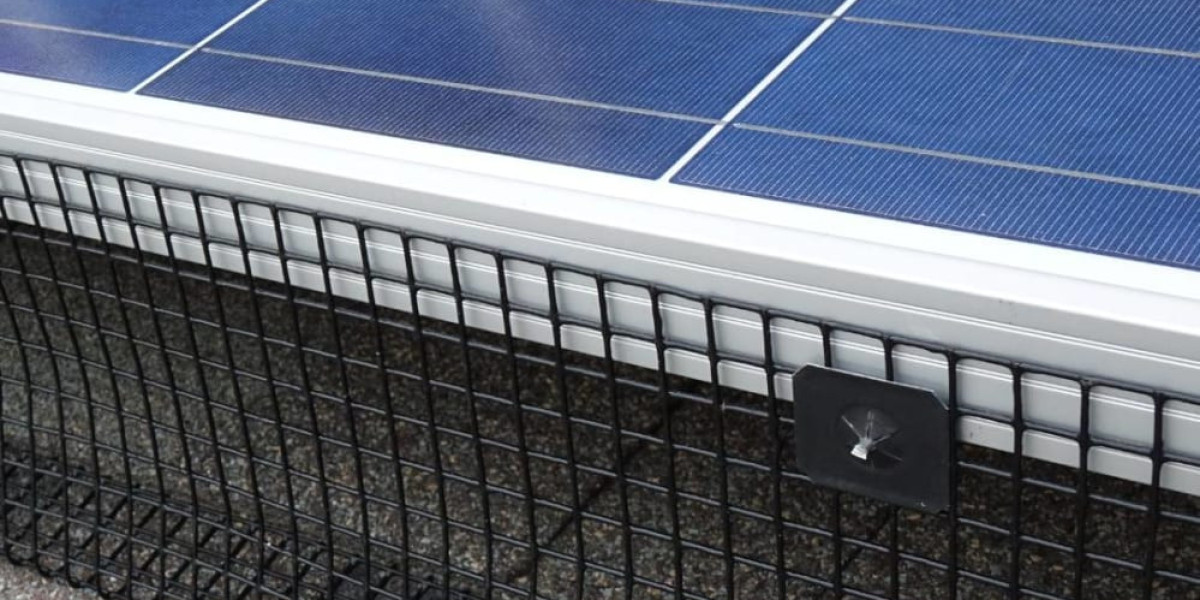
Netting and mesh are used to block access to specific areas, such as the space under solar panels or around structural beams. This prevents birds from building nests in sheltered zones, so they look for more open locations away from sensitive equipment.
Visual And Sound Based Deterrents
Visual bird deterrent options use light, color, and motion to signal danger to birds. Reflective tape, spinners, and holographic strips flutter in the wind and create shifting reflections that make birds uneasy.
Predator decoys, such as realistic owl or hawk figures, can also be used, especially when they are moved regularly so birds do not get used to them. Combined with other methods, visual deterrents add an extra layer of protection around solar arrays and building edges.
Sound based deterrents use recorded distress calls or electronic patterns that birds find unpleasant. Some systems rely on ultrasonic frequencies, while others use audible sounds at intervals. These tools are usually positioned to protect open yards, parking structures, or large roof spaces.
Two Useful Lists For Property Owners
Places To Use Bird Repellent Or Deterrent
Roof edges, parapets, and signs near solar panels where birds often perch or rest.
Open beams, ledges, and sheltered corners that birds may use as nesting points.
Benefits Of Combining Repellent And Deterrent
Stronger long term effect, since birds face both unpleasant surfaces and limited access.
Reduced droppings, noise, and nesting activity around panels and outdoor areas.
Choosing Between Bird Repellent And Bird Deterrent
Bird repellent products are often a good choice for smaller areas and detailed work. For example, a narrow ledge or a single beam that attracts repeated perching can be treated with gel or spray without major changes to the structure. This targeted approach works well in tight spaces around the array.
Bird deterrent solutions are usually better for larger projects and long term control. Physical barriers like mesh under panels or netting along a roof edge protect wide sections at once. Visual and sound tools can cover open zones such as carports, courtyards, or commercial roofs with many panel rows.
Safety And Environmental Considerations
Safe use of bird repellent means choosing products that are labeled as non toxic and non corrosive for surfaces. Many modern formulas are designed to be gentle on roofing materials, metal, and glass when applied as directed. Users should always follow label instructions for application and reapplication intervals.
When planning bird deterrent systems, it is important to respect local wildlife regulations. Non lethal methods, such as spikes, mesh, and visual tools, are generally accepted because they do not injure birds, they simply change behavior. Careful design helps avoid trapping or harming animals unintentionally.
Best Practices Around Solar Panels
For solar arrays, the best strategy often combines both bird repellent and bird deterrent. Mesh or barriers can seal off the undersides of panels so birds cannot enter, while gels or visual tools can be placed on adjacent features where birds might perch. This two step approach reduces nesting, droppings, and debris across the whole area.
Cleaning and inspection should be part of any plan. Before installing new products, old nesting material and heavy droppings should be removed carefully. Regular checkups help confirm that repellents are still active, deterrents are firmly fixed, and there are no gaps where birds can slip through.
Common Mistakes To Avoid
One frequent mistake is relying on a single product type and expecting it to work everywhere. Birds can adapt over time, especially if they find food or strong shelter nearby. Rotating or combining methods (for example gel plus spikes, or mesh plus visual tools) keeps pressure on bird activity.
Another issue is poor installation, such as loose spikes, sagging netting, or mesh that leaves open corners. Small gaps are enough for determined birds to force their way into protected spaces. Professional installation or careful do it yourself work is essential for lasting performance.
Working With Professionals
Many property owners choose to consult with bird control, especially when solar systems are involved. A professional can inspect the building, identify key perching and nesting spots, and recommend a mix of bird repellent and bird deterrent tailored to local species and structure design.
Experts also understand how to protect panel surfaces, wiring, and mounting hardware while installing barriers and visual tools. This reduces the risk of damage and helps keep manufacturer warranties intact. Clear documentation and photos of the work can support future maintenance decisions.
Conclusion
Effective bird repellent and bird deterrent strategies protect solar panels, roofs, and outdoor spaces from mess and damage while treating birds humanely and respecting local rules. By combining safe products with smart physical barriers and visual or sound tools, owners can make their properties far less attractive to roosting and nesting birds. For solar systems that need both clean panels and long term bird control, Golden Rays Solar Cleaning can integrate these methods with professional inspection and maintenance services so energy production stays strong and equipment stays protected.