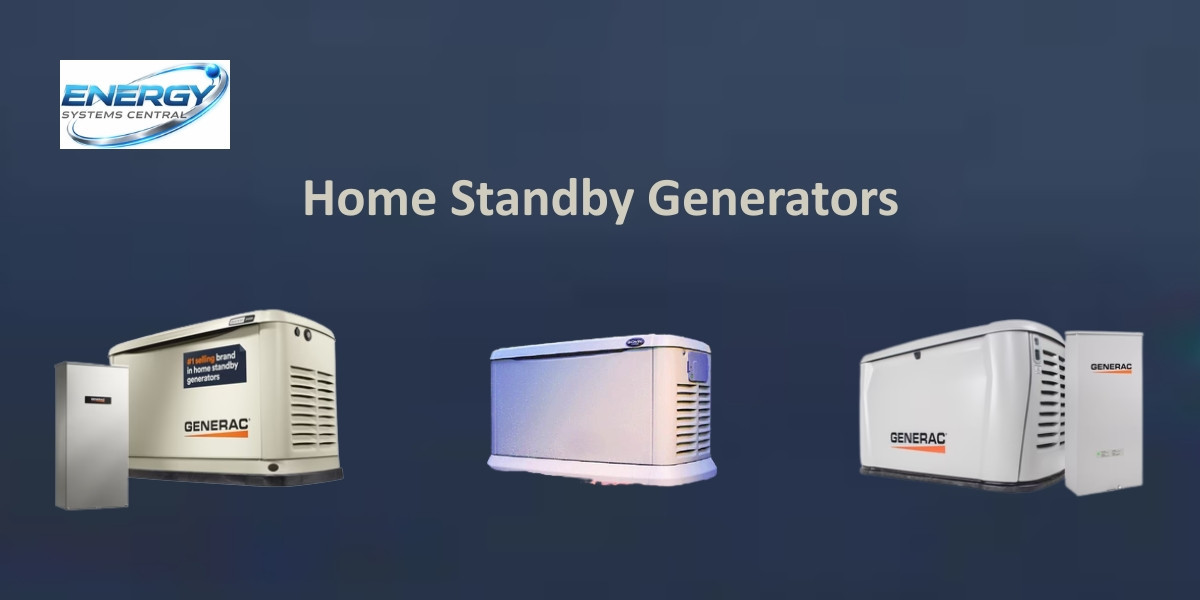

Home Standby Generator
When the power goes out, a reliable source of backup electricity can be a lifesaver. Home standby generators provide peace of mind by automatically kicking in during outages, ensuring your home stays comfortable, safe, and functional. But one of the most common questions homeowners ask is: What size home standby generator do I need? Choosing the right size is critical - it impacts performance, cost, and your home’s safety. Explore how to determine the ideal size for your home standby generator and why investing in a properly sized whole house generator is the smart choice.
Understanding Home Standby Generators and Their Importance
A home standby generator is a permanent backup power system installed outside your home that automatically powers your entire house or selected circuits during a power outage. Unlike portable generators, standby units turn on automatically and connect directly to your home’s electrical system, providing seamless power without manual intervention.
With extreme weather events and grid instability becoming more common, having a whole house generator can protect your family and possessions from the inconvenience and hazards of power loss. But choosing the right size is essential. An undersized generator won’t meet your power needs, while an oversized unit can be unnecessarily expensive and inefficient.
How to Determine the Right Size for Your Home Standby Generator
Sizing a home standby generator involves calculating your home’s power requirements to ensure the unit can handle the electrical load during an outage.
Step 1: Calculate Your Essential Loads
Start by listing the appliances and systems you want powered during an outage. Common loads include:
Heating and cooling systems (furnace, heat pump, air conditioner)
Refrigerator and freezer
Lighting (LED or incandescent)
Water heater
Medical devices
Security systems
Electronics (TV, computers)
Well pump or sump pump
You can choose to power your entire home or just essential circuits.
Step 2: Determine Total Wattage Requirements
Check the wattage rating of each appliance or device (usually found on the label or in manuals). Add up the running wattage for all devices and consider the starting wattage, which can be 2-3 times higher for motors or compressors (like refrigerators and HVAC units).
Step 3: Add a Safety Margin
It’s wise to add a 10-20% safety margin to your total wattage to accommodate unexpected power needs or future additions.
Whole House Generator vs. Partial Backup Systems: Why Size Matters
Some homeowners opt for smaller portable generators or partial backup systems. While these options may seem cheaper upfront, they come with drawbacks:
Limited power supply: Portable generators often only power a few appliances at a time and require manual setup.
Fuel and maintenance: Smaller generators may run on gasoline, requiring regular refueling and maintenance.
Safety concerns: Portable units can pose risks like carbon monoxide poisoning if not used properly.
A whole house generator sized correctly for your home provides continuous, automatic power to all your essential systems safely and reliably. It connects directly to your home’s electrical system and fuel source (natural gas or propane), offering convenience and peace of mind during outages.
Benefits of Properly Sized Home Standby Generators
Choosing the right size offers several key advantages:
Reliable power: Ensures all your essential appliances and systems run smoothly without overload.
Cost efficiency: Avoids paying for an oversized unit with unnecessary capacity and higher fuel consumption.
Longevity: A well-sized generator operates efficiently, reducing wear and extending its lifespan.
Comfort and safety: Keeps your family comfortable and safe, especially during extreme weather or emergencies.
Professional Help: How to Get the Perfect Generator Size
While DIY calculations can give you a good estimate, professional assessment is highly recommended. Certified electricians or generator experts can perform a detailed load analysis tailored to your home, lifestyle, and future needs. They also handle proper installation, ensuring your home standby generator integrates safely with your home’s electrical system.
Conclusion: Invest in the Right Size Home Standby Generator Today
Choosing the right size home standby generator is vital to protecting your home and family from unexpected power outages. By carefully assessing your power needs and opting for a professionally installed whole house generator, you ensure reliable, automatic backup power when you need it most. Don’t wait for the next outage - take action now to secure your home’s energy independence and peace of mind.
Ready to find the perfect home standby generator size for your needs? Contact a trusted generator expert today for a personalized consultation and keep your home powered no matter what.
Frequently Asked Questions (FAQs)
1. How do I know if my home needs a whole house generator?
If you live in an area prone to power outages, extreme weather, or rely on medical equipment, a whole house generator is a smart investment to maintain safety and comfort.
2. Can a home standby generator power my entire house?
Yes, a whole house generator sized appropriately can power your entire home, including HVAC, appliances, and electronics.
3. What fuel sources do home standby generators use?
Most home standby generators run on natural gas or propane, offering continuous fuel supply during extended outages.
4. Is it expensive to install a home standby generator?
Installation costs vary depending on generator size, fuel source, and complexity, but it is a worthwhile investment compared to the costs of power outages.
5. How often do home standby generators require maintenance?
Regular maintenance, usually annually, ensures your generator remains reliable. Some models offer self-diagnostic features to simplify upkeep.
Ubicación del Autor
42/E, Lane 6 Cavalry Ground , Gulberg III, Lahore, 54560