
In today’s competitive real estate market, agents are constantly searching for strategies that create consistent listings without burnout. Cold calling, chasing internet leads, and running short-term ads may produce occasional wins, but they rarely build sustainable growth. This is where geographic farming becomes one of the most powerful tools an agent can use.
This strategy is not about quick wins. It focuses on visibility, consistency, and trust. Agents who master it position themselves as the local expert in a specific area, ensuring that when homeowners decide to sell, their name is already familiar.
This guide explains what the approach is, why it works, and how agents can use it to dominate neighborhoods over time.
What Is Geographic Farming
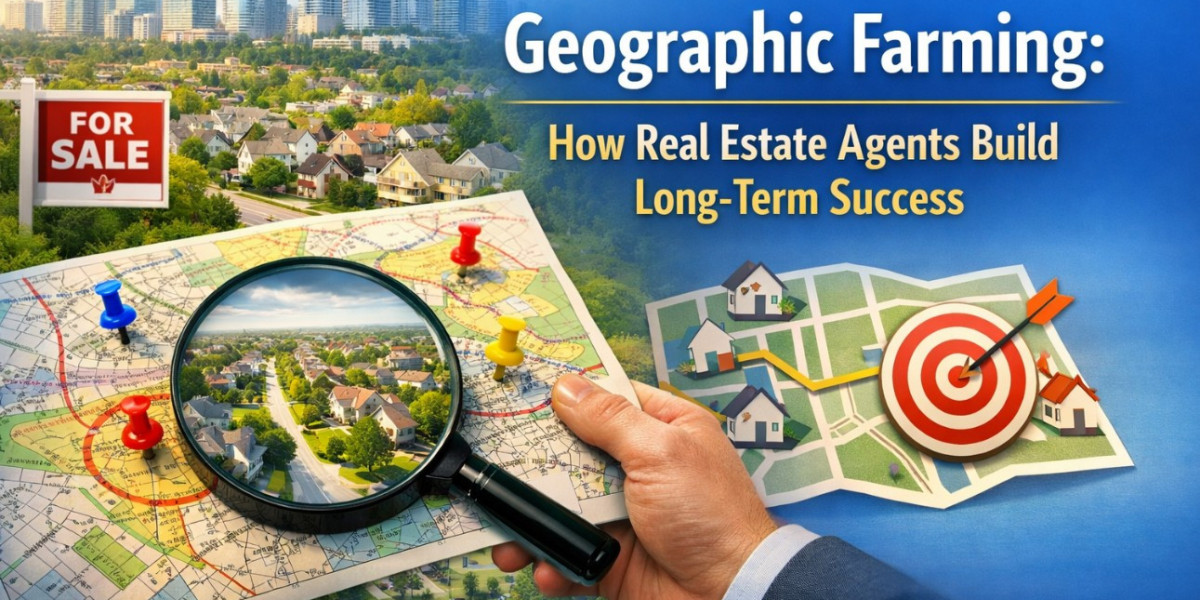
This real estate marketing strategy involves focusing on one specific area and promoting yourself consistently. The goal is to build recognition and trust with homeowners through repeated exposure.
Instead of trying to reach everyone, agents concentrate on a particular neighborhood, zip code, or group of streets. Over time, homeowners begin to associate the agent with expertise in that area.
The strategy usually combines multiple marketing channels such as postcards, letters, emails, voicemails, and landing pages. Consistency is key. A single postcard rarely makes an impact, but repeated touches over time create familiarity and confidence.
Why Geographic Farming Works
Homeowners choose agents they recognize and trust. Studies consistently show that most sellers list with the first agent they contact. This approach ensures that when that moment arrives, your name is already top of mind.
It works because it aligns with human behavior. People are more comfortable working with someone who feels familiar. Repeated exposure through helpful, relevant messaging builds that familiarity without being intrusive.
Unlike cold calling, this method does not interrupt homeowners. It introduces your brand gradually, providing value and local insights that homeowners actually care about.
The Difference Between Geographic Farming and Random Marketing
Many agents market without a plan. They send occasional postcards, post on social media when they have time, or run ads during slow periods. This scattered approach creates noise but not authority.
This strategy is structured. It follows a system with clear timing, messaging, and goals. Each touch builds on the last, reinforcing your presence in the neighborhood.
Instead of chasing leads, it allows them to come to you naturally when homeowners are ready.
Key Elements of Successful
Choosing the Right Area
The foundation is selecting the right neighborhood. Agents should look for areas with enough turnover to justify consistent marketing. Ideally, the neighborhood should have at least 500 to 2000 homes.
It also helps if the agent has some connection to the area, whether through past sales, local knowledge, or proximity. Authenticity strengthens trust.
Consistent Multi-Channel Touches
A successful approach uses multiple channels to stay visible. Postcards provide physical reminders. Letters allow for more personal messaging. Emails deliver timely updates. Voicemails add a human touch.
The most effective campaigns schedule touches every two to four weeks. This keeps the agent present without overwhelming homeowners.
Personalization and Local Relevance
Generic messaging weakens farming efforts. Homeowners want to see information that reflects their neighborhood, not a template that could apply anywhere.
Mentioning local market trends, recent sales, or neighborhood insights makes each touch feel intentional. Personalization turns repetition into value rather than spam.
Long Term Commitment
This is not a short term strategy. Most agents begin to see strong results after nine to twelve months of consistent outreach. Those who quit early miss the compounding effect of familiarity.
Agents who commit long term often find that their farm area becomes a steady source of listings and referrals year after year.
Benefits of Farming for Agents
Builds Authority and Trust
This strategy positions agents as neighborhood experts. Homeowners begin to see the agent as the natural choice for advice and representation.
Reduces Dependence on Cold Leads
Instead of chasing strangers, agents receive calls from homeowners who already know them. These leads are warmer, more qualified, and easier to convert.
Improves Time Efficiency
With automation and planning, this approach reduces daily prospecting stress. Agents spend less time scrambling for leads and more time serving clients.
Creates Predictable Growth
Because it follows a system, results become more predictable over time. This stability allows agents to plan their business with confidence.
Common Farming Mistakes
One of the biggest mistakes agents make is inconsistency. Sending a few postcards and stopping when results do not appear immediately breaks the trust-building process.
Another mistake is choosing too large an area. Trying to farm thousands of homes at once spreads the budget too thin. It is better to dominate a smaller area than to lightly touch a large one.
Ignoring tracking is another issue. Agents should measure responses, engagement, and listings to refine their campaigns and improve performance.
How Automation Improves Farming
Modern platforms have transformed farming. Automation allows agents to schedule campaigns months in advance, personalize messaging, and track engagement across channels.
Automated farming removes the manual workload that caused many agents to quit in the past. With the right system, agents can maintain consistency without daily effort.
This combination of technology and strategy allows agents to focus on relationships while the platform handles execution.
Geographic Farming for Absentee Owners
One powerful variation targets absentee owners. These homeowners do not live in the property they own and are often more motivated to sell.
Absentee owners face challenges such as maintenance issues, tenant turnover, and tax burdens. Addressing these concerns directly through tailored messaging can unlock high quality opportunities.
Including absentee owner campaigns within farming adds another layer of effectiveness.
Final Thoughts
Geographic farming is not flashy, but it works. It rewards patience, consistency, and strategy. Agents who commit to this approach build something more valuable than quick leads. They develop trust, authority, and long term success.
In an industry where many agents burn out chasing the next deal, this strategy offers a smarter path. By showing up consistently in the right neighborhood with the right message, agents become the obvious choice when homeowners are ready to sell.
The agents who dominate markets are not the loudest. They are the most familiar. This is how that familiarity is built.
Stop guessing. Stop juggling tools. Let Harvist help you plant your brand, grow recognition, and dominate your market.
Frequently Asked Questions
What is geographic farming in real estate?
This marketing strategy involves a real estate agent focusing on one specific area and promoting themselves consistently over time. The goal is to build familiarity and trust, so homeowners think of that agent first when they are ready to sell.
How long does this strategy take to work?
Most agents begin seeing recognition within three to six months. Consistent listings typically appear between nine and twelve months of focused effort. Long-term commitment delivers the strongest results.
How many homes should I include in a campaign?
A strong campaign usually targets between 500 and 2000 homes. This size allows agents to maintain consistency without spreading their budget too thin.
What marketing channels work best?
The most effective campaigns use multiple channels such as postcards, letters, emails, voicemails, and landing pages. Multi-channel outreach increases familiarity and response rates.
Can this strategy work for new agents?
Yes. It is especially effective for new agents because it builds authority over time. With the right system and consistency, new agents can compete with experienced agents in specific neighborhoods.