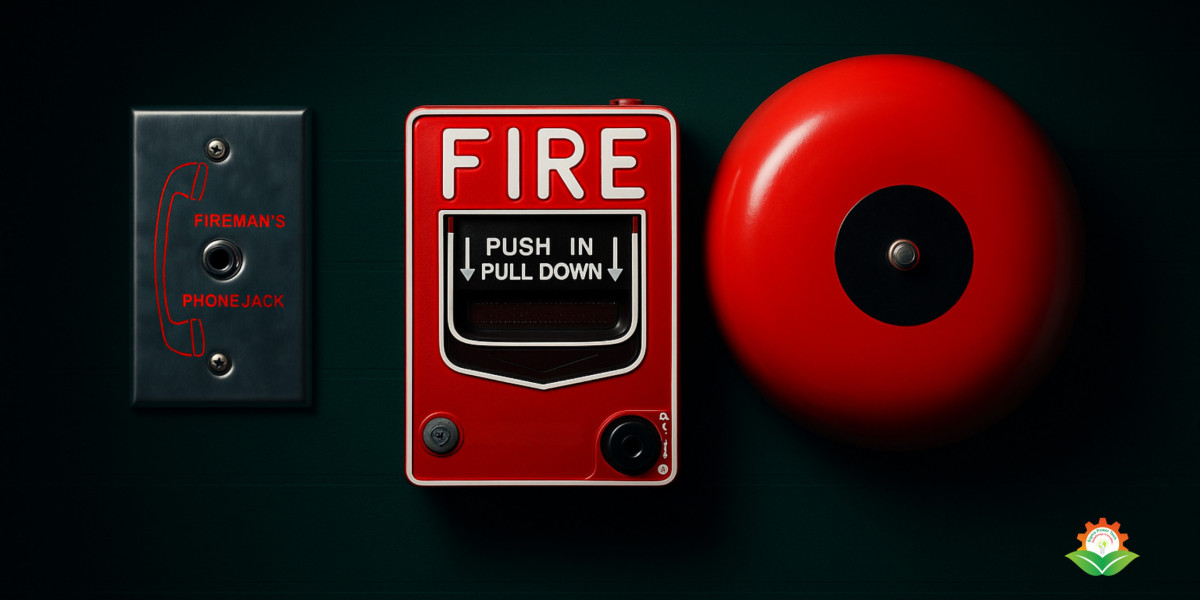

A good fire alarm system ties them together for clear alerts. This guide breaks down the differences simply, helping owners and managers decide what works best for their space.
Why Choose Between Heat and Smoke Detection
Fires don't all look the same. Some smolder slowly with lots of smoke, others flare up hot and fast with little haze. A single-type fire detection system might miss one kind or beep falsely from cooking fumes. Heat detectors watch temperature changes, while smoke ones catch airborne particles first.
In everyday buildings, mixing them covers more ground. Local safety rules often call for both, linking to fire alarm systems that guide people out safely. Understanding this choice prevents small issues from growing and cuts unnecessary evacuations.
How Smoke Detectors Work Best
Smoke detectors sense tiny bits floating in the air from burning materials. They grab warnings early—think paper stacks or electrical wires starting to char. Two common styles react to different fire types: one for quick bursts, another for lingering smoke.
Place them in hallways, bedrooms, or open offices where air moves freely. They're sensitive, so alarms sound before flames spread. But steam from showers or burnt toast can set them off, which is why kitchens need a different approach. When tied to a fire alarm system, they trigger horns and lights across the building fast.
Regular battery changes and cleanings keep smoke detectors reliable year-round.
When Heat Detectors Take the Lead
Heat detectors wait for air temperature to jump suddenly or hit a fixed point, like 58°C. Perfect for kitchens, garages, or dusty workshops where smoke detectors might complain too much. They ignore cooking smells, steam, or normal warmth from machines.
Two styles exist: fixed ones for steady hotspots, rate-of-rise for fast spikes. In attics or storage lofts, they catch rising hot air without false beeps. Though slower on smoky starts, they excel where conditions fool others. Link them to fire detection systems for zoned alerts—say, just the laundry room instead of the whole floor.
They're sturdy, lasting longer in tough spots.
Key Differences in Speed and Sensitivity
Smoke detectors often react first since particles spread before heat builds much. Great for hidden fires like inside walls. Heat ones lag slightly but shine in open, high-heat areas—rapid blazes trigger them quickest.
Sensitivity varies: smoke picks up traces but risks nuisances; heat stays calm until real danger. Neither is "better"—it depends on the room. Combining both in a fire detection system gives the fullest watch, feeding smart signals to fire alarm systems.
Test both yearly to see real speeds in your setup.
Best Places for Each Type
Offices and living areas love smoke detectors for early heads-up. Kitchens, bathrooms, and boiler rooms suit heat to dodge false alarms. Garages with cars or fuel get heat for exhaust tolerance. Warehouses mix them—smoke in aisles, heat near forklifts.
High ceilings favor heat as smoke pools below. Dusty factories lean heat-heavy. Always map airflow—avoid corners or drafts messing readings. Pros assess during installs for perfect fits.
Layering boosts safety without overkill.
Combining Detectors for Full Coverage
Modern setups blend smoke and heat into multi-units that cross-check signals. Less fuss, more smarts. They link seamlessly to fire alarm systems, showing exact spots on panels. Wireless options ease retrofits in older buildings.
Start with high-risk zones, expand as budget allows. This fire detection system thinks ahead, quieting minor blips while screaming at true threats.
Installation Tips for Any Building
Plan around daily use—avoid heat sources near smoke units. Mount high for smoke, strategic heights for heat. Wire neatly or go wireless for flexibility. Test post-install: puff safe smoke, warm safely, confirm alarms.
In humid India, pick sealed models against moisture. Budget power backups for outages. Labels mark types clearly for staff.
Hire locals knowing NBC rules for smooth approvals.
Maintenance Made Simple
Monthly eyeball checks spot dust or damage. Swap batteries twice yearly. Vacuum gently, test buttons. Annual pros calibrate for accuracy.
Logs note patterns—like frequent kitchen falses signaling vent fixes. Clean environments last longer; tough spots need extras. Tie upkeep to fire alarm system tests for full readiness.
Skip it, risk silence when needed most.
Real-Life Choices That Worked
An office swapped kitchen smoke for heat—goodbye toast alarms, hello peace. A restaurant added smoke in dining, heat in cooking—caught wiring smoke early, no spread. Factory mixed both—downtime dropped, insurance praised.
Owners share these wins, proving smart picks pay off.
Making Your Decision Easy
Walk your space, list risks. Kitchens and workshops? Heat leads. General areas? Smoke rules. Budget hybrids for balance.
Ubicación del Autor
SCF/6, 2nd Floor, Ashoka Enclave Part-1, Sector 34, Opp. Kanishka Tower, PIN-121003, Faridabad, HR















