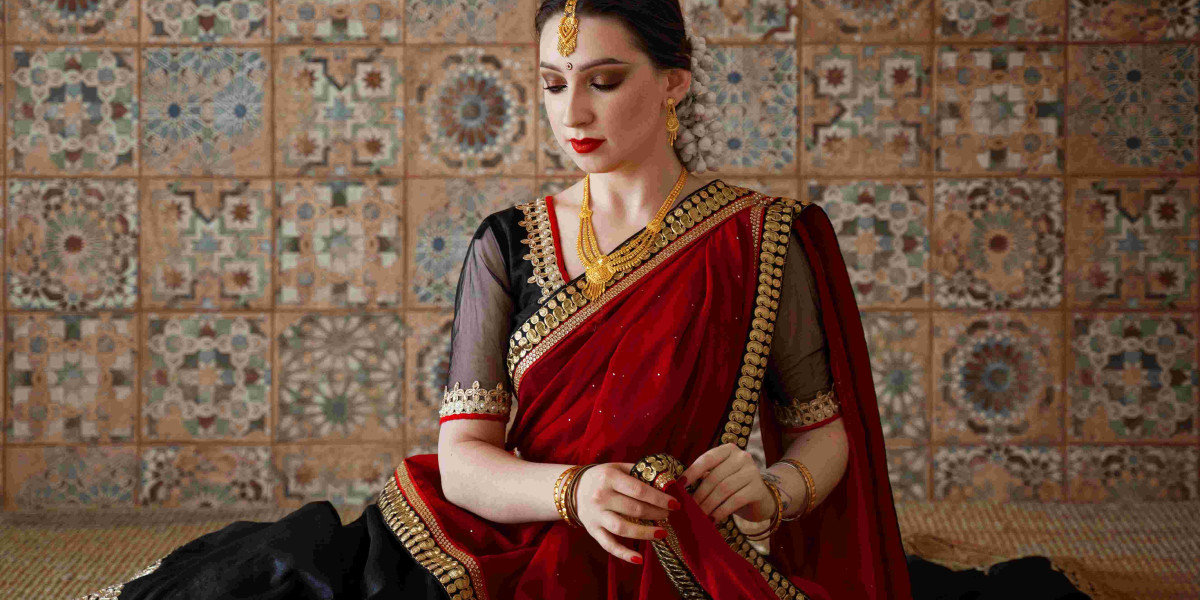

The mangalsutra stands as one of the most cherished symbols of matrimony in Indian culture, representing the sacred bond between husband and wife. This auspicious ornament carries profound spiritual significance and has adorned married women for centuries, evolving through generations while maintaining its core essence. A traditional mangalsutra is not merely a piece of jewelry but a powerful emblem of love, commitment, and marital bliss that transcends time and fashion trends.
The word "mangalsutra" derives from Sanskrit, where "mangal" means auspicious and "sutra" means thread. This sacred necklace typically features black and gold beads strung together, with the black beads believed to ward off evil and protect the marriage from negative energies. The gold components symbolize prosperity and good fortune for the couple's journey together. Every element of a traditional mangalsutra carries deep meaning, making it an irreplaceable part of Hindu wedding ceremonies and married life.
Historically, the traditional mangalsutra has varied across different regions of India, each community adding its unique cultural interpretation to this matrimonial symbol. In Maharashtra, the mangalsutra often features two vati pendants shaped like bowls, representing the merging of two families. South Indian designs incorporate black beads strung on yellow or gold threads, with elaborate pendants crafted in temple jewelry styles. North Indian variations might include intricate diamond work combined with classic black beads, creating a fusion of tradition and contemporary elegance.
The craftsmanship involved in creating a traditional mangalsutra reflects the expertise of skilled artisans who have perfected their craft over generations. Gold or gold-plated beads are carefully selected and combined with black beads made from materials like black onyx, glass, or even specially treated gold. The pendant, often the centerpiece of the design, may feature religious symbols, geometric patterns, or floral motifs that hold cultural significance. Some families pass down mangalsutras as heirlooms, with each generation adding their own touches while preserving the original essence.
Modern brides increasingly seek traditional mangalsutra designs that honor cultural heritage while complementing contemporary fashion sensibilities. Jewelry designers have responded by creating pieces that maintain traditional elements—black beads, gold work, and meaningful pendants—while incorporating sleeker silhouettes and refined craftsmanship. These updated versions allow women to wear their mangalsutras daily, whether paired with traditional saris or modern western attire, ensuring this sacred symbol remains a constant presence in their lives.
The ritual of wearing a traditional mangalsutra begins with the wedding ceremony itself, when the groom ties it around the bride's neck, usually in three knots representing different aspects of marital commitment. This moment is considered one of the most significant in the marriage ceremony, comparable to the exchange of wedding rings in Western traditions. The mangalsutra is then worn throughout married life as a visible declaration of a woman's marital status and her devotion to her spouse.
Beyond its symbolic importance, the traditional mangalsutra also serves as a connection to ancestral wisdom and cultural continuity. Many families have specific design preferences passed down through generations, creating a tangible link between past and present. Mothers often share stories about their own mangalsutras with their daughters, explaining the significance of each design element and the emotions associated with receiving this sacred ornament on their wedding day.
The spiritual aspects of wearing a traditional mangalsutra extend beyond its visual symbolism. According to Ayurvedic and yogic traditions, the mangalsutra is positioned near the heart chakra, believed to attract and maintain positive energy in the marriage. The black beads are thought to absorb negative vibrations, while the gold enhances positive frequencies, creating a protective shield around the wearer and her family. Whether one subscribes to these beliefs or views them as cultural traditions, they add layers of meaning to this beautiful ornament.
Contemporary jewelers offer extensive collections of traditional mangalsutra designs, catering to diverse preferences while respecting cultural authenticity. Some women prefer long, elaborate designs that make a statement, while others choose shorter, more understated pieces suitable for everyday wear. Many brides now invest in multiple mangalsutras—an ornate piece for special occasions and a simpler, more practical design for daily activities. This flexibility ensures that the tradition remains relevant and accessible in modern lifestyles.
The emotional significance of receiving and wearing a traditional mangalsutra cannot be overstated. For many women, it represents not just their marital status but their identity, security, and the beginning of a new chapter in life. The weight of the mangalsutra around the neck serves as a constant, comforting reminder of marital vows and the partnership they have entered. This emotional connection often makes the mangalsutra one of the most treasured possessions in a woman's jewelry collection.
Caring for a traditional mangalsutra requires attention and respect for its sacred nature. Regular cleaning maintains the luster of gold and the shine of black beads, while proper storage prevents tangling and damage. Many women remove their mangalsutras only during specific circumstances, such as certain religious observances or medical procedures, reflecting the deep reverence associated with this symbol. Some families have customs regarding when and how the mangalsutra should be handled, further emphasizing its sacred character.
As Indian culture continues to evolve and adapt to global influences, the traditional mangalsutra remains a steadfast symbol of marital commitment. Its enduring presence in wedding ceremonies and married life demonstrates the power of meaningful traditions to transcend changing times. Whether crafted in ancient styles or reimagined with modern aesthetics, the mangalsutra continues to embody timeless marital grace, connecting millions of women to their cultural heritage while celebrating the universal values of love, commitment, and partnership that define marriage across all cultures and generations.