
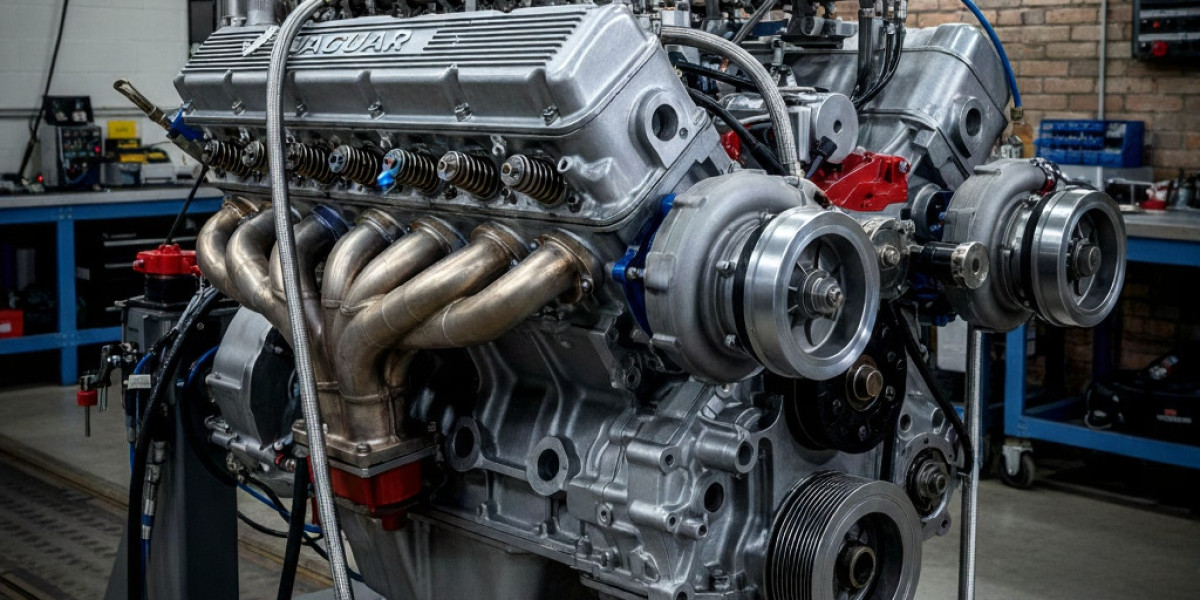

The 4.4-litre 448PN V8 engine represents a distinctive era of engineering where raw performance, refinement, and long-distance comfort were carefully balanced. Found in premium Land Rover and Jaguar models, this naturally aspirated V8 has earned a reputation for smooth power delivery and reliable strength. In this article, we’ll take a detailed look at how the 4.4 448PN V8 performs in real-world conditions, breaking down its power output, torque characteristics, and fuel efficiency while examining what makes it such a respected engine among enthusiasts and everyday drivers alike.
Overview of the 4.4 448PN V8 Engine
The 448PN is a 4.4-litre V8 petrol engine developed to deliver refined performance without sacrificing durability. Unlike modern downsized turbocharged units, this engine relies on natural aspiration, giving it a linear throttle response and predictable power curve. The Land Rover 448PN petrol engine was designed with versatility in mind, capable of handling both on-road cruising and demanding off-road conditions with equal confidence.
With an aluminium block and advanced valvetrain design for its time, the engine strikes a balance between strength and weight. Its engineering philosophy focused on smoothness, longevity, and usable performance rather than extreme figures on paper.
Power Output: Smooth and Consistent Performance
Power delivery is where the 4.4 448PN V8 truly shines. Producing approximately 300 horsepower depending on the model and market, the engine provides strong acceleration without feeling aggressive or abrupt. Instead of a sudden surge, power builds progressively, making it ideal for large SUVs and luxury vehicles that prioritise comfort as much as performance.
This smooth output is particularly noticeable during motorway driving, where the engine maintains speed effortlessly. Overtaking feels confident and controlled, even with a full load or when towing. The Land Rover 448PN petrol engine doesn’t rely on high boost or complex forced-induction systems, which contributes to its dependable and predictable nature.
Torque Characteristics: Strength Where It Matters
Torque is arguably more important than outright horsepower for heavier vehicles, and this is an area where the 448PN V8 performs exceptionally well. With peak torque figures around 425 Nm, the engine delivers strong pulling power across a wide RPM range.
This torque availability makes everyday driving more relaxed. Whether navigating city traffic, climbing steep inclines, or towing trailers, the engine responds without strain. The broad torque curve also means fewer gear changes, enhancing driving comfort and reducing drivetrain stress.
For off-road use, the torque delivery is especially beneficial. Low-end and mid-range torque provide better control over uneven terrain, allowing steady progress without excessive throttle input. This is one reason the Land Rover 448PN petrol engine remains well regarded among off-road enthusiasts.
Real-World Driving Experience
On the road, the 4.4 448PN V8 offers a refined and composed driving experience. Engine vibrations are minimal, and the exhaust note is deep yet understated, reinforcing the premium feel of the vehicles it powers. Throttle response is immediate, thanks to the absence of turbo lag, which contributes to a more connected and engaging drive.
In urban settings, the engine feels calm and manageable, despite its size. On longer journeys, it excels at cruising, maintaining consistent speeds with minimal effort. This versatility is a key reason why the engine continues to appeal to drivers seeking a balance between performance and comfort.
Fuel Efficiency: Realistic Expectations for a V8
Fuel efficiency is often a concern when discussing large petrol engines, and the 448PN V8 is no exception. As a naturally aspirated V8, it prioritises performance and refinement over economy. Average fuel consumption typically ranges between 18 to 22 miles per gallon, depending on driving style, vehicle weight, and road conditions.
While these figures may seem modest by modern standards, they are competitive for an engine of this size and era. Importantly, the efficiency remains consistent, with no sudden spikes in consumption during normal driving. Proper maintenance, including timely servicing and quality fuel, can help optimise efficiency and keep running costs predictable.
Reliability and Long-Term Performance
One of the strongest points of the 4.4 448PN V8 is its long-term reliability. With regular servicing, this engine is known to deliver high mileage without major internal issues. Its relatively simple design, compared to modern turbocharged engines, reduces the likelihood of complex failures.
Common maintenance considerations include cooling system checks, ignition components, and routine oil changes. Addressing these proactively helps preserve performance and efficiency over time. Many owners appreciate that the Land Rover 448PN petrol engine rewards proper care with dependable operation and sustained performance.
How It Compares to Modern Engines
Compared to newer turbocharged petrol engines, the 448PN V8 may appear less efficient on paper. However, it compensates with smoother power delivery, fewer high-pressure components, and a more traditional driving feel. Drivers who value reliability, sound, and natural response often prefer this engine over smaller, forced-induction alternatives.
While modern engines offer better emissions control and fuel economy, they often introduce complexity. The 4.4 448PN V8 represents a time when performance was achieved through displacement and engineering balance rather than aggressive boosting.
Final Verdict: Is the 4.4 448PN V8 Still Worth It?
The 4.4 448PN V8 remains a compelling choice for drivers who appreciate smooth, naturally aspirated performance and long-term durability. Its power and torque characteristics suit both luxury driving and practical use, while its efficiency, though not class-leading, is honest and consistent.
For those considering a vehicle equipped with the Land Rover 448PN petrol engine, the appeal lies in its refined strength and proven reliability. It may not follow modern trends, but it delivers a driving experience that continues to hold value years after its introduction.