

The Difference Between Digital and Traditional Fabric Printing
Fabric printing plays a critical role in the textile industry, influencing product quality, production efficiency, and business scalability. Over time, printing techniques have evolved from manual and mechanical processes to advanced digital systems. Small and large textile businesses alike must understand how these methods differ in order to make informed production decisions.
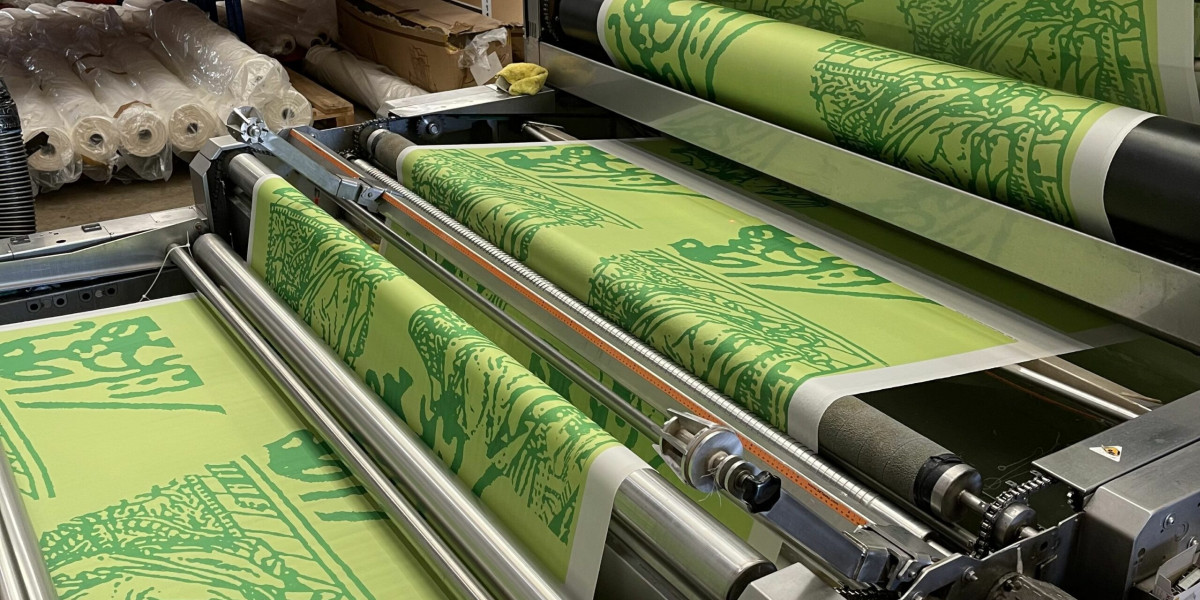
Traditional fabric printing has been used for decades and relies on physical processes such as screens, rollers, or blocks to apply designs onto fabric. Digital printing, on the other hand, uses modern technology to print designs directly from digital files. Each method has its own strengths, limitations, and ideal use cases depending on production volume, design complexity, and business goals.
Printing Process and Technology
The most fundamental difference lies in how designs are transferred onto fabric. Traditional printing methods such as screen printing or rotary printing require physical screens or engraved rollers. Each color in a design usually needs a separate screen, making the setup process time-consuming and labor-intensive.
Digital fabric printing eliminates the need for screens or plates. Designs are printed directly onto fabric using specialized printers and inks controlled by software. This streamlined process reduces preparation time and allows instant design changes without additional setup costs.
Cost Structure and Setup Requirements
Traditional fabric printing typically involves high initial setup costs. Screen preparation, color separation, and machine calibration all require time and skilled labor. These costs make traditional methods economical only for large production runs where setup expenses can be spread across thousands of units.
Digital printing offers a more flexible cost structure. Since there is minimal setup involved, businesses can print small quantities without financial strain. This makes digital printing especially attractive for startups, designers, and businesses offering custom or limited-edition products.
Design Flexibility and Customization
Design limitations are another key point of difference. Traditional printing often restricts the number of colors and the level of detail due to technical constraints. Complex designs increase production time and cost, which can limit creativity.
Digital printing supports highly detailed artwork, gradients, and photographic images with consistent accuracy. Customization is easy, allowing different designs to be printed on each piece of fabric without interrupting the workflow. This flexibility is particularly valuable for fashion, interior décor, and personalized textile products.
Production Speed and Turnaround Time
Traditional printing involves multiple stages, including screen preparation, test runs, and color alignment. These steps slow down production, especially for short runs or design changes. While traditional methods can be fast for mass production once setup is complete, they lack flexibility.
Digital printing significantly reduces turnaround time. Files can be printed almost immediately after design approval. This enables faster delivery, quick reorders, and rapid response to market trends, giving businesses a competitive advantage.
Quality Consistency and Output
Traditional printing can deliver excellent color saturation and durability, particularly for solid colors and large runs. However, maintaining consistent quality across batches can be challenging due to variations in screens, inks, and manual processes.
Digital printing provides high precision and consistent results across all prints. Modern printers ensure accurate color reproduction and fine detail, even across different fabric types. This consistency reduces waste and improves overall production reliability.
Environmental Impact and Sustainability
Traditional printing often consumes large amounts of water, chemicals, and energy. Excess ink, wastewater, and unused inventory contribute to environmental concerns, especially in large-scale operations.
Digital printing is generally more eco-friendly. It uses less water, fewer chemicals, and supports on-demand production. Reduced waste and efficient ink usage make it a more sustainable choice for environmentally conscious textile businesses.
Ideal Use Cases for Each Method
Traditional fabric printing remains suitable for large-scale production where designs remain consistent and volume is high. It is commonly used for uniforms, promotional textiles, and bulk manufacturing where cost per unit is the primary concern.
Digital printing is ideal for small to medium runs, custom orders, sampling, and trend-driven markets. It supports innovation, experimentation, and quick adaptation, making it a preferred choice for modern textile businesses.
Frequently Asked Questions
Which printing method is better for small businesses?
Digital printing is generally better for small businesses due to low setup costs, flexible production, and easy customization.
Is traditional fabric printing becoming obsolete?
No, traditional printing still plays an important role in high-volume production. However, digital printing is growing rapidly due to its versatility.
Can digital printing match the durability of traditional printing?
Yes, with modern inks and proper fabric treatment, digital prints can achieve excellent durability and wash resistance.
Which method is more cost-effective?
Traditional printing is cost-effective for large runs, while digital printing is more economical for small batches and customized designs.
Does digital printing work on all fabrics?
Digital printing works on many fabrics, but results depend on fabric type, ink quality, and printer technology.
Conclusion
The difference between digital and traditional fabric printing lies in flexibility, cost structure, speed, and sustainability. Traditional printing remains effective for high-volume, standardized production, while digital printing excels in customization, efficiency, and creative freedom. Understanding these differences allows textile businesses to choose the method that best aligns with their operational needs and market demands.
As the textile industry continues to evolve, digital printing is becoming increasingly important for businesses seeking agility and innovation. Selecting the right printing approach can significantly impact product quality, profitability, and long-term growth.
Ubicación del Autor
noida sec-10 c-263