
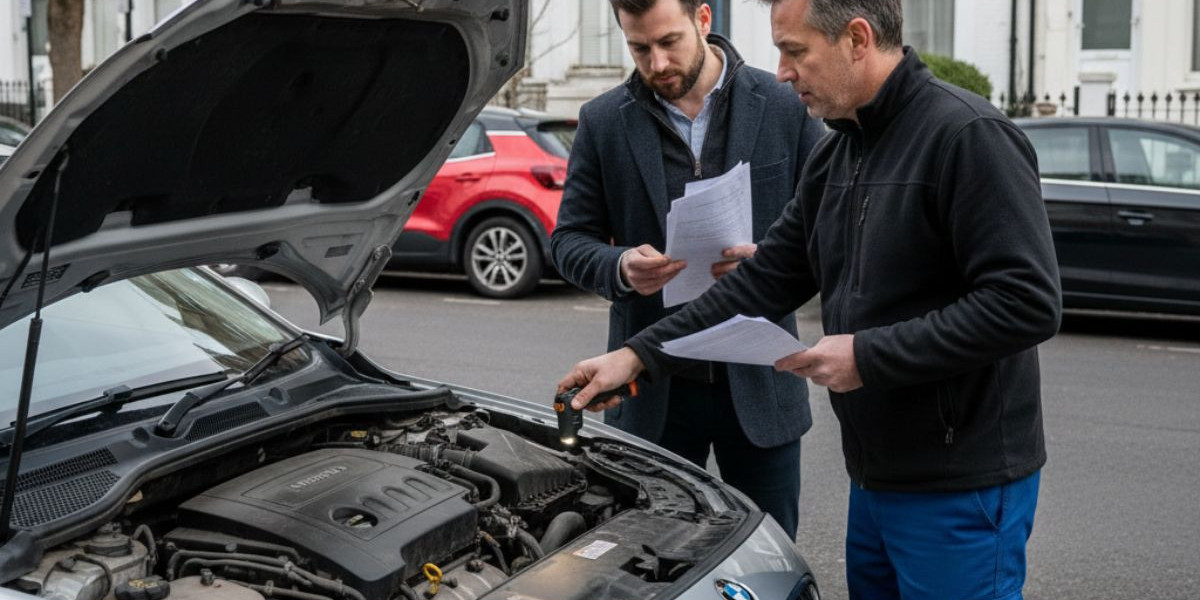

Buying a used car is one of the smartest ways to save money in the UK, but only if you avoid the common mistakes that catch thousands of buyers out every year. In simple terms, most used car problems don’t start after the purchase, they start because of what buyers fail to check before handing over the money.
In 2026, the used car market will be more competitive than ever. Rising new car prices, stricter emissions rules, and growing demand for hybrids and electric vehicles mean buyers must be more careful than before.
This guide clearly explains the top 10 mistakes to avoid when buying a used car, why they matter, and what UK buyers should do instead to protect their money.
If you want to avoid expensive repairs, legal issues, and buyer’s regret, this checklist will help you make a confident and informed decision.
1. Not Checking the MOT History in Detail
Many buyers glance at the MOT status and assume a valid certificate means the car is in good condition. This is a mistake.
The MOT history tells a story. Repeated advisories for corrosion, suspension wear, brake issues, or emissions problems often signal long-term neglect. Even if faults were “fixed,” patterns matter.
Always check the full MOT history on the GOV.UK website, not just the current result. Look for recurring issues, gaps in testing, or sudden changes in mileage that don’t add up.
2. Ignoring ULEZ and Clean Air Zone Compliance
ULEZ and Clean Air Zones are no longer limited to London. More UK cities are enforcing daily charges, and non-compliant vehicles can cost you hundreds or even thousands each year.
One of the biggest used car buyer mistakes in 2026 is buying a cheap car that becomes expensive to run due to emission penalties.
Before committing, confirm compliance using official tools such as Transport for London or local council websites. A bargain car loses its appeal very quickly when daily charges apply.
3. Skipping a Full Vehicle History Check
Failing to run a proper history check is one of the most costly mistakes when buying a used car.
Services like HPI, Experian, or CarVertical reveal whether a car has been written off, stolen, clocked, or still under finance. Without this check, you risk losing both the car and your money.
A used car inspection checklist is incomplete without a verified history report. This small upfront cost can save you from serious legal and financial trouble.
4. Trusting the Seller Without Proper Verification
Friendly sellers and polished adverts can be misleading. Never rely solely on what you’re told.
Always verify:
The V5C logbook matches the vehicle details
Service history is genuine and consistent
The seller’s ID matches the registered keeper
Evasive answers, pressure tactics, or excuses for missing paperwork are major red flags. In the UK used car market, verification matters more than promises.
5. Overlooking Road Tax Costs
Many buyers focus only on the purchase price and forget to check ongoing costs. Road tax can vary significantly depending on the car’s age, fuel type, and CO₂ emissions.
Some older petrol and diesel vehicles fall into high tax bands that make them expensive to own long-term. Always check the DVLA vehicle tax band before buying.
In 2026, understanding running costs is just as important as negotiating the price.
6. Not Test Driving on Mixed Road Conditions
A short drive around the block isn’t enough. Test driving properly is essential when buying a second-hand car.
Drive on:
Residential streets
Dual carriageways or motorways
Rough or uneven surfaces
Listen for unusual noises, test the brakes, check steering response, and monitor warning lights. Many used car problems only show up under real driving conditions.
Skipping this step is one of the most avoidable used car buying mistakes.
7. Ignoring Insurance Categories (Cat S and Cat N)
Category S and Category N vehicles are becoming more common in the UK used market, but many buyers don’t fully understand what these labels mean.
While some repaired cars are safe to drive, they often:
Have lower resale value
Cost more to insure
Carry hidden structural or electrical risks
If you’re considering a categorised vehicle, ensure repairs were carried out professionally and factor the risks into the price.
8. Not Understanding Used Electric Vehicle Battery Health
The used EV market has expanded rapidly, but battery health remains one of the most misunderstood areas.
When buying a used electric car in 2026, always check:
Battery state of health
Charging history
Remaining manufacturer warranty
A battery replacement can cost more than the car is worth. Ideally, the vehicle should retain at least 70–80% battery capacity to remain practical and reliable.
9. Forgetting to Check Car Tax Status
Car tax does not transfer automatically with ownership in the UK. If the vehicle isn’t taxed, you cannot legally drive it away.
Before completing the purchase, use the DVLA vehicle checker to confirm the tax status. Driving an untaxed car can lead to fines and penalties, even on the same day of purchase.
This simple check is often overlooked and easily avoided.
10. Rushing the Purchase Due to Market Pressure
Fear of missing out causes many buyers to rush decisions. High demand and limited stock can push people into buying cars they haven’t fully checked.
Take your time. If possible, bring an experienced mechanic or arrange an independent inspection. Walking away is always better than rushing into a bad deal.
In the used car market, patience protects your wallet.
Conclusion:
Avoiding these top mistakes when buying a used car can save you thousands of pounds and countless headaches. The key is preparation, verification, and refusing to rush.
By checking MOT history, confirming legal status, understanding running costs, and inspecting the vehicle properly, you put yourself in control of the buying process. Use a reliable used car inspection checklist, trust verified data over sales talk, and make decisions based on facts.
A well-researched purchase leads to safer driving, lower costs, and long-term peace of mind.
FAQs
Is it cheaper to buy from a private seller in the UK?
Private sales are often cheaper, but they offer less consumer protection. Careful checks are essential.
How can I check if a car is taxed and MOT’d?
Use official DVLA and GOV.UK online vehicle check tools.
What questions should I ask when buying a used car?
Ask about service history, number of previous owners, accident repairs, and ongoing costs.