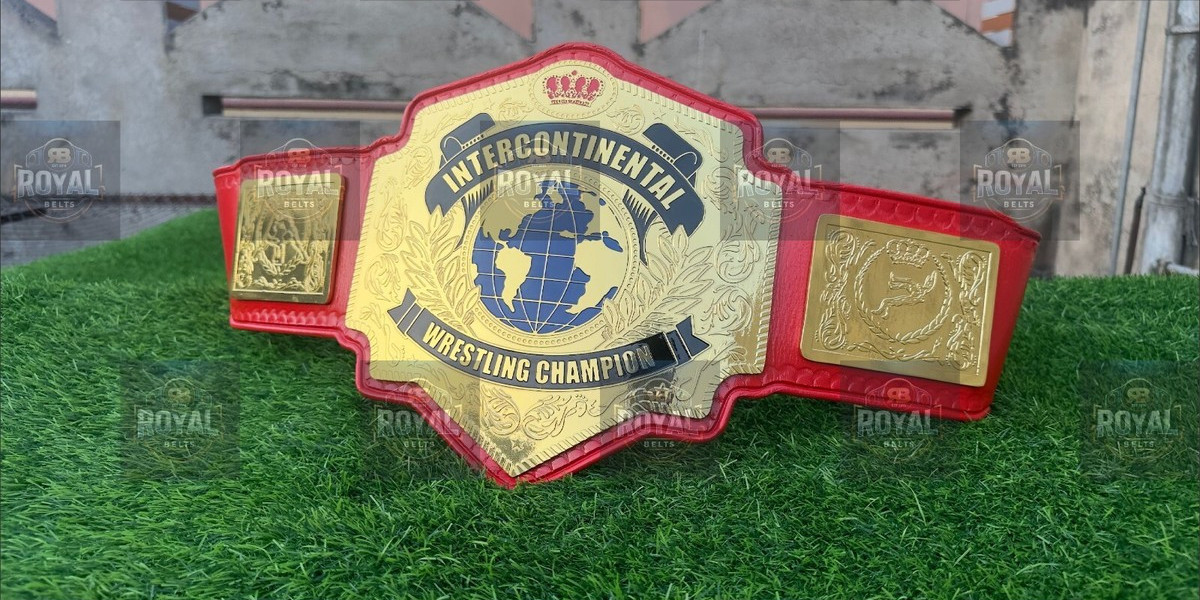

Every fantasy football league has that one moment everyone remembers—the final matchup, the trash talk flying, the group chat exploding, and one manager quietly realizing they've pulled off something special. For a lot of leagues, the trophy ends up being a dusty plaque or a cheap plastic cup that loses its magic after a year or two. But a fantasy football championship belt changes the entire emotional weight of winning. It turns a good season into a story people retell.
A belt isn’t just a prize. It’s a symbol. It’s confidence, bragging rights, and tradition all rolled into one heavy, dramatic piece of hardware. When done right, it becomes part of the league’s identity, something that feels earned rather than handed out. And the best part? You don’t need to run a hyper-competitive, high-stakes league to make it meaningful. Even casual leagues benefit from a little extra drama.
Why a Championship Belt Hits Harder Than Any Trophy
There’s something deeply human about wanting visible proof of achievement. A trophy sits on a shelf. A belt gets worn. That difference matters more than people expect.
When a league winner straps on a championship belt, it changes how the room reacts. Photos happen naturally. Trash talk becomes playful instead of bitter. Even the quiet managers feel the weight of the moment. It taps into the same psychology as boxing or wrestling championships—status, dominance, and earned respect.
From a gifting perspective, belts work because they don’t feel generic. They feel personal, even when shared across seasons. The winner isn’t just holding an object; they’re holding everyone else’s effort, losses, and near-misses from the entire year.
Building a Belt That Feels Like Your League
The biggest mistake leagues make is copying someone else’s idea without thinking about their own group dynamic. A championship belt should reflect how your league actually behaves.
Some leagues are loud, sarcastic, and chaotic. Others are family-based, long-running, and quietly competitive. The belt design, wording, and even how it’s presented should match that energy.
Think about:
How trash talk usually sounds in your group
Whether the league leans funny or serious
How long the league has existed
Who usually wins and who’s always “almost there”
When the belt feels custom to the league’s personality, it stops being a gimmick and starts feeling inevitable—like it always should have existed.
Personalization That Actually Matters (and What to Skip)
Personalization is where belts go from cool to legendary. But there’s a fine line between meaningful and overdone.
Names, league titles, and years are usually enough. Engraving the winner’s name each season builds legacy without clutter. Overloading the belt with inside jokes can date it quickly, especially if your league changes members over time.
A strong approach is to leave space—both literally and emotionally—for future seasons. The belt should look better as time passes, not more confusing.
Avoid trends that feel funny now but won’t age well. What matters is that five years from now, someone new to the league can look at the belt and immediately understand its importance.
Passing the Belt: Making the Handoff a Ritual
The transfer moment is where belts truly shine. A casual handoff after the draft doesn’t do it justice. The best leagues turn the belt exchange into an event.
Some do it at the first draft pick. Others wait until the final playoff game ends and pass it immediately, still buzzing with adrenaline. A few leagues even have a rule: the outgoing champion must physically bring the belt to the next season's draft and defend it verbally.
These rituals don't need to be dramatic or expensive. They just need intention. When everyone knows the belt transfer is coming, it gives the season a clear emotional bookend.
Family Leagues and the Emotional Side of Winning
In family leagues—especially those involving fathers, sons, brothers, or cousins—the belt carries extra meaning. It becomes a bridge between competition and connection.
For a son beating his dad for the first time, wearing the belt is a quiet milestone. For an older family member winning after years of near misses, it's validation. These moments stick longer than cash prizes ever could.
That's why belts work so well in family settings. They're playful without being childish, competitive without being aggressive. They allow pride without embarrassment, which is a rare balance.
Humor Belts vs. Serious Belts: Choosing the Right Tone
Not every belt needs to look like it belongs in a professional wrestling ring—but many should.
Humor-forward belts work best in leagues where sarcasm is the default language. Loud designs, exaggerated titles, and slightly ridiculous names keep things light even when competition is fierce.
More serious belts fit leagues that track stats, argue trades like lawyers, and care deeply about legacy. These belts lean cleaner, heavier, and more timeless.
The key is alignment. A joke belt in a serious league feels forced. A serious belt in a joke-heavy league feels awkward. When the tone matches, the belt becomes an extension of the league's voice.
How the Belt Changes League Behavior (in a Good Way)
Once a belt exists, people manage their teams differently. Lineups get checked more carefully. Trades happen earlier. Trash talk sharpens but usually stays friendlier.
Why? Because the belt feels visible. It's not abstract like points or standings. It's something someone else will wear in front of you.
This visibility raises engagement without raising stakes in unhealthy ways. Even managers out of playoff contention care more, because every loss still contributes to someone else's glory.
Storage, Care, and Respect (Yes, It Matters)
A championship belt deserves better than being tossed into a closet. How it's stored and displayed signals how much the league values the tradition.
Some champions keep it visible during the offseason. Others bring it out only during drafts or playoffs. There's no wrong answer, but there should be consistency.
Respecting the belt doesn't mean treating it like a museum piece. It means acknowledging that it represents shared effort. When champions treat it well, future winners follow suit.
When to Introduce a Belt to an Existing League
If your league has been running for years without a belt, adding one can feel risky. But timing matters more than history.
The best moment is usually after a particularly memorable season—one with close playoff games, controversial decisions, or a surprise winner. The belt then feels like a response to increasing intensity, not a random addition.
Frame it as an evolution, not a replacement. The belt doesn't erase past seasons; it honors them by raising the standard going forward.
Making the Belt Part of League Lore
The longest-running leagues don't survive on rules alone. They survive on stories.
A belt helps create those stories naturally. Who defended it the longest. Who lost it immediately. Who never touched it despite years of effort.
Over time, the belt becomes shorthand for all those memories. You don't need to explain them. The object carries the weight.
That's when a fantasy football championship belt stops being a prize and starts being tradition.
Avoiding the “Forced Fun” Trap
One thing experienced commissioners learn quickly: forced fun backfires. If the belt feels like an obligation, people resist it.
The best belts emerge from genuine enthusiasm. Someone suggests it. Others build on the idea. By the time it's introduced, everyone already wants it to exist.
If there's hesitation, slow down. Talk it through. A belt should amplify excitement, not manufacture it.
Why Cash Prizes Fade but Belts Don't
Money disappears. Belts don't.
Ask anyone who's won both, and they'll remember the belt more vividly. Not because it's more valuable, but because it's more tangible.
A belt creates photos, jokes, and reminders. It shows up in group chats months later. Cash quietly blends into everyday life.
That difference is why belts keep leagues alive. They give people something to chase that isn't just financial—it's emotional.
Final Thoughts That Stick Without Saying Goodbye
Fantasy football is, at its core, about connection. The stats matter. The wins matter. But what people remember is how it felt to compete with the same group year after year.
A championship belt captures that feeling better than almost anything else. It turns a seasonal hobby into an ongoing story. It rewards effort, celebrates rivalry, and gives everyone something to care about—even when their team is struggling.
When your league finds the right belt, it doesn't just crown a champion. It gives the league an identity. And once that happens, going back to a plain trophy feels impossible.