
A clogged main sewer line is one of the most disruptive plumbing problems a homeowner can face. Unlike a clogged sink or toilet, a sewer line blockage affects the entire plumbing system. When this happens, wastewater has nowhere to go, which often leads to backups inside the home.
Many homeowners first search for sewer line cleaning near me after noticing slow drains or foul odors. By that time, the blockage may already be severe. Understanding the warning signs early can help you avoid costly damage and determine when trenchless sewer repair Dallas Fort Worth may be necessary.
This guide explains how to identify a clogged main sewer line, what causes it, and which solutions actually work, based on real-world experience from NuFlow DFW.
What Is the Main Sewer Line?
The main sewer line is the primary pipe that carries all wastewater away from your home. Every drain in your house connects to it, including toilets, sinks, showers, and laundry machines. If this pipe becomes blocked, the entire system is affected, not just one fixture.
Because it is buried underground, problems in the main sewer line are often hidden until noticeable symptoms appear.
Why a Clogged Main Sewer Line Is a Serious Issue
A single clogged drain is inconvenient but manageable. A clogged main sewer line is a system-wide failure that can cause sewage backups, property damage, and health risks. Left untreated, it can damage flooring, drywall, foundations, and even landscaping.
Catching the problem early is the best way to reduce repair costs and avoid emergencies.
Clear Signs Your Main Sewer Line May Be Clogged
Your plumbing system usually provides warning signs before a full backup occurs. Recognizing these signs early can make a big difference.
Multiple Drains Backing Up at the Same Time
If only one sink or shower drains slowly, the issue is likely local. When several drains back up at once, especially in different areas of the house, it usually indicates a blockage in the main sewer line.
This is one of the most reliable indicators of a sewer line problem.
Water Backing Up Into Tubs or Floor Drains
When the sewer line is clogged, wastewater seeks the lowest exit point. This often results in water backing up into bathtubs, showers, or basement floor drains. These backups are strong signs that the main sewer line is obstructed.
Gurgling Noises From Toilets or Drains
Unusual gurgling or bubbling sounds coming from toilets or drains are caused by trapped air in the plumbing system. This happens when wastewater cannot flow freely through the sewer line and air is forced back through the pipes.
Persistent Sewage Odors
A properly functioning sewer system should not produce noticeable odors. If you smell sewage inside your home or around your yard, it may indicate a blockage or break in the sewer line that is allowing gases to escape.
Frequent and Recurring Clogs
If clogs keep returning despite repeated drain cleaning, the problem is likely deeper than individual fixtures. Recurring issues across multiple drains usually point to a clogged or damaged main sewer line.
Common Causes of Main Sewer Line Clogs
Several factors can contribute to sewer line blockages. Grease buildup is one of the most common causes, especially when cooking oils are poured down drains. Soap residue, paper products, and food waste also accumulate over time.
Tree roots are another major issue, particularly in older neighborhoods. Roots can enter sewer pipes through small damage and grow inside, trapping debris and restricting flow. Aging pipes made of clay or cast iron are especially vulnerable to these problems.
Why DIY Fixes Rarely Solve Sewer Line Clogs
Store-bought drain cleaners are not designed for main sewer lines. They cannot reach deep blockages and often damage pipes over time. Plungers and small drain snakes may offer temporary relief but do not address the underlying issue.
Using the wrong tools can actually make the problem worse by pushing debris further into the pipe or weakening already damaged sections.
How Professionals Confirm a Clogged Sewer Line
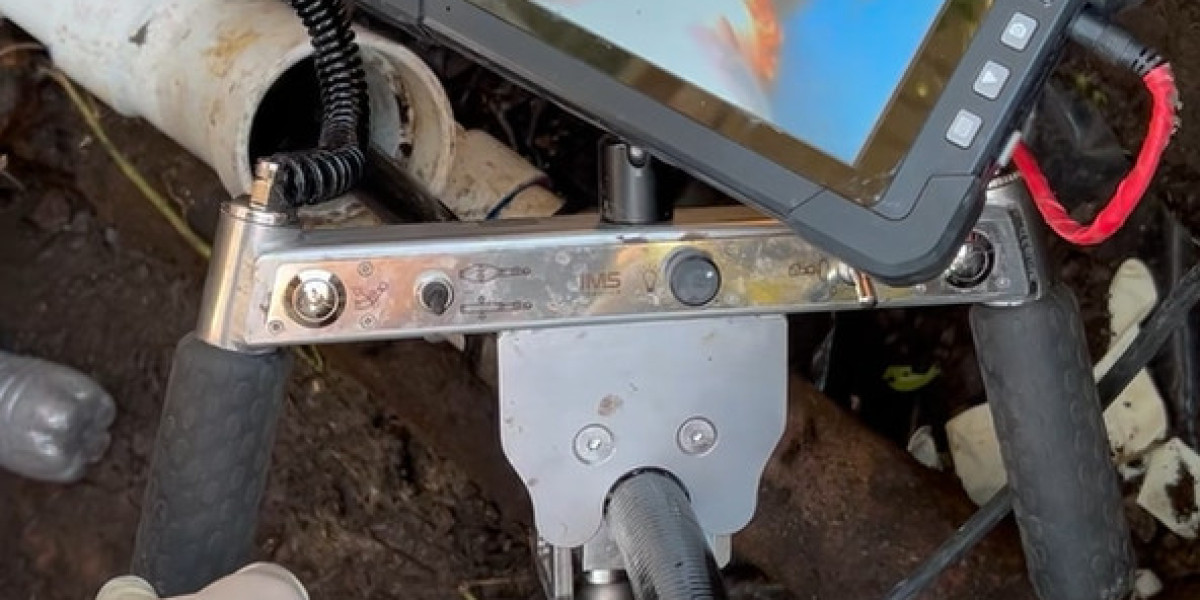
The most accurate way to diagnose a sewer line issue is with a sewer camera inspection. A small camera is inserted into the line to locate the blockage and identify its cause. This method eliminates guesswork and shows whether the pipe is simply clogged or structurally damaged.
Inspection is critical before any cleaning or repair is performed.
Sewer Line Cleaning as the First Step
If the sewer pipe is still structurally sound, professional cleaning is often enough to restore proper flow. Hydro jetting is commonly used because it cleans the entire interior of the pipe using high-pressure water.
This process removes grease, sludge, roots, and mineral buildup, which is why so many homeowners begin with sewer line cleaning near me when they experience system-wide drainage issues.
When Sewer Line Cleaning Is Not Enough
Cleaning removes blockages, but it does not fix broken or deteriorated pipes. If camera inspection reveals damage, offsets, or recurring root intrusion, clogs are likely to return. In these cases, repeated cleaning becomes expensive and ineffective.
This is when repair becomes the smarter option.
What Is Trenchless Sewer Repair?
Trenchless sewer repair is a modern method of fixing damaged pipes without digging up your property. A flexible liner is inserted into the existing pipe and cured in place, creating a smooth, sealed interior.
This method eliminates damage, prevents root intrusion, and restores full flow without the disruption of traditional excavation.
When Trenchless Sewer Repair Makes Sense
Trenchless repair is often recommended when homeowners experience frequent backups, repeated clogs after cleaning, or visible pipe damage during inspection. It is especially effective for aging sewer systems in the Dallas–Fort Worth area.
In these situations, trenchless sewer repair Dallas Fort Worth provides a long-term solution rather than a temporary fix.
How Quickly Should You Act?
Sewer line problems worsen quickly. Delaying action increases the risk of property damage and higher repair costs. If you notice multiple warning signs, scheduling an inspection as soon as possible is critical.
Early intervention protects your home and your budget.
How Often Should Sewer Lines Be Inspected?
Most homes benefit from a sewer line inspection every one to two years. Older homes or properties with large trees nearby may require more frequent checks. Preventive maintenance helps catch problems before they turn into emergencies.
Final Thoughts
Knowing the signs of a clogged main sewer line can save you from major repairs and stress. Multiple backups, gurgling sounds, sewage odors, and recurring clogs are all signals that should not be ignored.
If you are experiencing these issues or searching for sewer line cleaning near me, professional inspection is the smartest first step. With the right diagnosis, you can choose between cleaning or repair and protect your plumbing system for years to come.
Ubicación del Autor
Plano, TX 75093