
Introduction
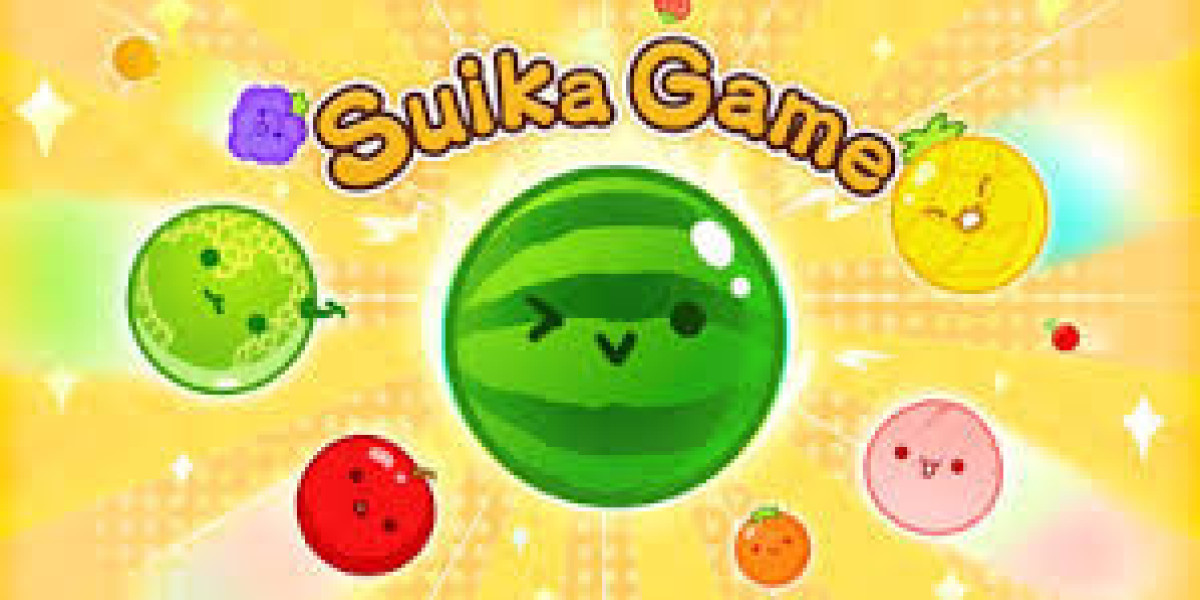
Watermelon-themed puzzles have a special charm: they’re bright, simple on the surface, and quietly addictive once you realize how much planning they invite. Among them, Suika Game stands out as a fun example of how a tiny idea—dropping fruit into a box—can turn into a satisfying mix of strategy, physics, and “one more try” momentum. It’s the kind of puzzle you can enjoy in short bursts, yet it also rewards patience and careful thinking if you want to push your score higher.
Gameplay: How the Watermelon Puzzle Works
At its core, the experience is simple: you drop fruit into a container. When two identical fruits touch, they combine into a larger fruit. Keep merging, keep managing space, and work your way up through the fruit chain until you eventually create the watermelon.
But the simplicity hides a lot of small decisions that matter:
- You don’t place fruit; you drop it. That means gravity and collisions do a lot of the “moving,” and your job becomes guiding outcomes rather than controlling everything directly.
- Space is the real resource. Every drop takes up room, and poor placement can create awkward gaps that are hard to fix later.
- Merges are both helpful and risky. Combining fruits clears some clutter, but the new, larger fruit can cause sudden shifts—rolling into places you didn’t expect or nudging stacks into unstable positions.
- The game ends when you overflow. Once the pile reaches a limit and you can’t safely keep things inside the container, your run is over.
That’s the basic loop: drop, merge, stabilize, and try not to panic when your neat stack becomes a leaning tower. The best part is that each round tells a tiny story—some runs feel calm and controlled, others become chaotic recoveries where you’re just trying to survive long enough to trigger a few key merges.
Tips: How to Make the Puzzle More Enjoyable (and Less Stressful)
You can absolutely play this kind of game casually—half the fun is seeing what happens. Still, a few habits make the experience smoother and more satisfying, especially if you want longer runs and fewer “I can’t believe I did that” endings.
1) Build a “home base” for small fruits
Early on, small fruits appear often, and they’re easy to scatter everywhere. Instead, try to dedicate one side of the container as a consistent area for the smallest few types. When the same fruit shows up again, you’ll already have a place to aim, making merges easier and reducing clutter.
2) Think in pairs, not in singles
It’s tempting to focus on where the current fruit should go, but the more useful question is: Where will the next matching fruit land when it appears? If you drop one fruit into an isolated spot, you might be forced to waste space later trying to reconnect it. Leaving a “path” for future merges is often better than chasing a perfect placement right now.
3) Avoid creating tall, narrow towers
Tall stacks look efficient, but they’re unstable. One unexpected bump can topple a tower and spread fruit across the container, turning a tidy setup into a mess. A flatter “landscape” is usually safer. If you notice one side rising too fast, spend a few drops reinforcing the lower side instead of piling higher.
4) Use bigger fruits as anchors
Larger fruits move less easily and can serve as stabilizers. If you already have a big fruit near the bottom, it can help stop rolling and keep smaller pieces from drifting into unwanted gaps. Just be careful: when a large merge happens, the new fruit may land with a thud and disturb nearby stacks.
5) Don’t rush the “watermelon goal”
It’s natural to fixate on creating the watermelon, but chasing the final merge too quickly can backfire. Often, the best runs come from staying organized and letting large merges happen naturally. Treat the watermelon as a result of good space management, not the only objective.
6) Learn from “bad drops” instead of resetting instantly
A run often feels doomed after one mistake, but recovery is part of the puzzle. Try playing a few turns past an error to see if you can stabilize the pile and create a chain of merges that clears space. Even when you lose, you’ll pick up a better sense of how fruit behaves when stacks get crowded.
7) Take mini-pauses before critical drops
When the container gets tight, each fruit matters more. A small pause to scan the board—Where are the matching fruits? Which side is safer? What will roll if I drop here?—can prevent those last-second mistakes that end a good run.
Conclusion
A good watermelon puzzle isn’t about complex rules—it’s about the feeling you get when order emerges from something slightly chaotic. Games like Suika Game are memorable because they let you experience that balance in a friendly, low-pressure way: easy to understand, surprisingly strategic, and full of little moments where one smart drop saves a messy board.
If you’re looking for a puzzle that’s relaxing at first glance but still has depth when you want it, this style is worth trying. Give yourself permission to experiment, laugh off the occasional disaster, and enjoy the steady satisfaction of turning small pieces into something bigger—one merge at a time.