

Modern AR/VR devices demand high-quality optics that provide clear images, wide field of view, and compact form factors. Traditional lens stacks or simple reflective systems often fall short. They can be bulky, reduce light efficiency, or cause image distortion. This affects user experience and device marketability.
Manufacturers face challenges in creating lightweight, compact devices that maintain visual clarity and brightness. Standard optical solutions may also complicate assembly and increase production costs.
What Is a Bird Bath Optical Module?
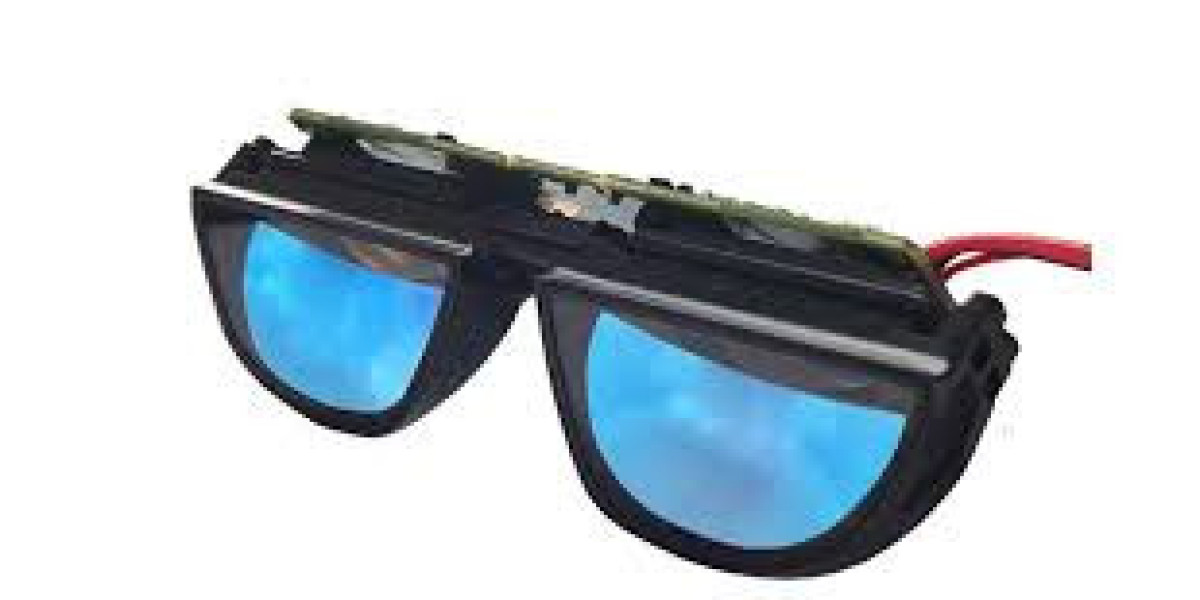
A bird bath optical module is a specialized optical system used in AR/VR devices to redirect and manage light efficiently. It combines lenses with a reflective semi-transparent surface, allowing light to fold inside the module while maintaining image quality.
This design minimizes the overall optical path, reduces device thickness, and improves light transmission.
Structure and Components
The bird bath module consists of:
Semi-reflective mirror (beam splitter)
Lens elements for focusing and collimation
Housing for compact integration
Coatings for anti-reflection and durability
The reflective surface allows light to "bounce" inside the module, hence the name “bird bath.” This arrangement creates a wide, bright field of view while keeping the module thin.
How It Works
Light from the display enters the module and strikes the semi-reflective mirror. The mirror redirects the light toward the user’s eye while passing part of the light through to create the correct optical path. Lenses focus and collimate the beam to ensure minimal distortion. This process produces a clear, bright image in a compact package.
How Bird Bath Optical Modules Solve AR/VR Problems
Conventional lens stacks may require multiple elements, increasing weight and thickness. Pancake optics reduce thickness but can still introduce image artifacts. Bird bath modules optimize light paths efficiently.
Compact Design and Light Efficiency
By folding the optical path internally, bird bath modules reduce device thickness. High-quality coatings improve light throughput, providing brighter images without increasing display power.
Minimal Image Distortion and Alignment Ease
The reflective design simplifies alignment during assembly. The module maintains image clarity across the field of view and reduces optical aberrations common in stacked lenses.
Key Features of Bird Bath Optical Modules
For engineers and B2B buyers, important features include:
Compact footprint for lightweight devices
High light transmission and brightness
Wide field of view
Reduced image distortion and aberration
Durable coatings and materials
Easy integration into AR/VR headsets
These features make bird bath modules ideal for both consumer and enterprise AR/VR applications.
Bird Bath Optical Module vs Traditional Lens Stack vs Pancake Optics
| Feature | Bird Bath Module | Lens Stack | Pancake Optics |
|---|---|---|---|
| Device Thickness | Thin | Thick | Thin |
| Light Efficiency | High | Moderate | High |
| Field of View | Wide | Moderate | Moderate |
| Image Clarity | Excellent | Good | Good |
| Integration Ease | Easy | Moderate | Moderate |
| Durability | High | Moderate | Moderate |
This comparison shows why bird bath modules are preferred in modern AR/VR systems.
Real Applications in AR/VR Devices
Bird bath optical modules are used in:
AR smart glasses
Mixed reality headsets
Enterprise AR inspection devices
Lightweight consumer VR headsets
Optical prototypes for wearable displays
They provide bright, clear, and compact imaging solutions.
For reliable AR/VR optical integration, manufacturers can review professional bird bath optical module options here:
https://arvroptical.com/product-category/arvr-optical-module/
Why Manufacturers Prefer Bird Bath Optical Modules
Manufacturers choose these modules because they:
Reduce device size and weight
Improve image brightness and clarity
Simplify optical alignment
Enhance device durability
Provide high integration flexibility
This combination of features ensures both better user experience and manufacturability.
How to Choose the Right Bird Bath Optical Module
When selecting a module, consider:
Device thickness and weight constraints
Field of view requirements
Light transmission and efficiency
Coating durability and optical quality
Compatibility with display type
Integration and assembly process
Selecting the right supplier ensures consistent performance and long-term reliability.
Conclusion
AR/VR devices require compact, efficient, and precise optical systems. Traditional lens stacks or simple reflective designs may compromise brightness, clarity, or thickness.
Bird bath optical modules offer folded light paths, high transmission, minimal distortion, and easy integration. For manufacturers and engineers building next-generation AR/VR devices, these modules provide the ideal balance of performance, size, and reliability.














